Kargil Mulbekh Monastery: Hidden Gem of Ladakh – Complete Travel Guide
The right stay. At the right price. Every time.
Find your perfect Kashmir stay on Unpaqd — with our AI search feature
Curated 4.5+ rated homestays, price-match guarantee, and zero commissions-so you never overpay or settle. Just describe your ideal stay, and we'll do the rest.
Explore stays on UnpaqdSummary
- Kargil Mulbekh Monastery: A serene hidden gem in Ladakh.
- Perfect for offbeat travelers seeking peace and history.
- Stunning views paired with ancient Buddhist heritage.
- Budget-friendly escape with authentic cultural vibes.
- Ideal for spiritual seekers and adventure lovers.
- Unspoiled beauty far from tourist crowds.
Kargil Mulbekh Monastery
I still remember the first time I laid eyes on Kargil Mulbekh Monastery. It was late afternoon, the golden hour casting a warm glow over the rugged hills of Ladakh, and I had just pulled over on the side of NH-1 after a dusty drive from Kargil town. A local shepherd, wrapped in a thick woolen shawl, pointed me toward a narrow path leading up to the monastery. As I climbed, the silence was almost tangible, broken only by the faint flutter of prayer flags in the chilly breeze. At the top, the sight of the ancient gompa, perched precariously on a rocky outcrop, took my breath away. It felt like stepping into a forgotten chapter of history.
What makes this place so underrated is its sheer isolation from the usual Ladakh tourist circuit. While everyone flocks to Leh or Pangong Lake, Mulbekh remains a quiet sanctuary, barely touched by commercial chaos. The monastery, also known as Mulbekh Chamba, houses a towering 9-meter-high statue of Maitreya Buddha carved into the rock face—a sight that feels both surreal and grounding. It’s not just a visual treat; it’s a space where you can sit for hours, listening to monks chant or simply soaking in the stillness of the mountains. If you’re craving a journey that’s equal parts spiritual and adventurous, stick with me as I unravel the secrets of this hidden treasure.
Why Visit Kargil Mulbekh Monastery?
- Ancient Heritage — Home to a 9-meter rock-carved Maitreya Buddha statue, dating back over a thousand years.
- Spiritual Solace — Experience authentic Buddhist rituals and chants in a tranquil, uncommercialized setting.
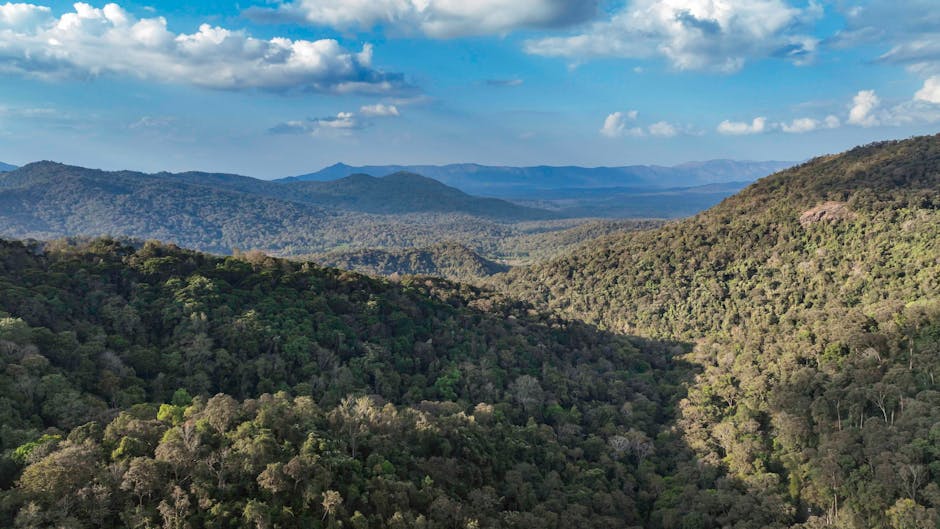
- Panoramic Vistas — Offers sweeping views of the Suru Valley and snow-capped peaks from its hilltop perch.
- Cultural Immersion — Interact with local monks and villagers for a glimpse into Ladakhi life.
- Offbeat Charm — Far from crowded tourist spots, it’s a haven for quiet reflection.
- Historical Crossroads — Located on the ancient Silk Route, blending Buddhist and Islamic influences.
- Adventure Quotient — The rugged trek to the monastery adds a thrill to the spiritual journey.
Top Things to Do & See
Maitreya Buddha Statue
This colossal 9-meter-high rock carving, etched directly into the cliff, is a mesmerizing symbol of peace. Insider tip: Visit at sunrise when the first light illuminates the statue’s serene expression.
Mulbekh Monastery Gompa
A small but ancient structure housing intricate frescoes and thangkas that tell stories of Buddhist lore. Insider tip: Ask the resident monk to explain the wall paintings—some date back centuries.
Suru Valley Views
From the monastery’s vantage point, the sprawling valley below looks like a painting with the Suru River snaking through. Insider tip: Carry binoculars to spot distant villages nestled in the hills.
Prayer Wheel Ritual
Spin the massive prayer wheels at the monastery’s entrance for a moment of mindfulness. Insider tip: Walk clockwise around them as a sign of respect, just as the locals do.
Village Walk in Mulbekh
Stroll through the quaint Mulbekh village nearby to see traditional mud houses and barley fields. Insider tip: Stop by a local home for a cup of butter tea if invited—it’s a rare treat.
Photography at Golden Hour
The monastery and its surroundings glow under the late afternoon sun, perfect for stunning shots. Insider tip: Set up near the cliff edge for a dramatic frame of the Maitreya statue against the sky.
How to Reach Kargil Mulbekh Monastery
Getting to Kargil Mulbekh Monastery requires a bit of planning, but the journey itself is half the adventure. The monastery is located in Mulbekh village, about 40 km east of Kargil town in Ladakh, right off the Srinagar-Leh Highway (NH-1). If you’re starting from Leh, it’s roughly 190 km west, a scenic 5-6 hour drive through winding mountain roads and dramatic passes like Fotu La, the highest point on this route at 4,108 meters.
The nearest airport is Kushok Bakula Rimpochee Airport in Leh, with daily flights from Delhi, Mumbai, and Srinagar. From Leh, you can hire a private taxi for around Rs 5,000-6,000 one-way to Mulbekh, or opt for a shared cab at Rs 800-1,000 per person if you’re lucky to find one at Leh’s main taxi stand near Polo Ground. Buses are another option—J&K SRTC operates services from Leh to Kargil with fares around Rs 400 per person, but you’ll need to get off at Mulbekh village and walk or hitch a short ride to the monastery base.
If you’re driving, the route is straightforward but demands caution. From Kargil, follow NH-1 toward Leh, passing through villages like Shargole. The monastery is visible from the highway, perched on a hill to your right. Park near the base at a small gravel lot and trek up a steep 15-20 minute path. Fuel stations are sparse, so tank up in Kargil at places like the HP Petrol Pump near the main bazaar. For those coming from Srinagar, it’s a longer 260 km drive via the Zoji La Pass, which can be treacherous in bad weather, so check road conditions beforehand.
Local transport in Mulbekh is minimal. A few auto-rickshaws or local taxis might be available near the village for Rs 100-200 to drop you at the trek starting point. My advice? Rent a sturdy bike in Leh (around Rs 1,200 per day from shops like Himalayan Bikers near Changspa Road) if you’re comfortable navigating mountain terrain—it gives you flexibility and saves on cab costs.
Best Time to Visit
The ideal window to explore Kargil Mulbekh Monastery is between May and September when the weather is pleasant, with daytime temperatures hovering between 15°C and 25°C. This is the peak season, and the roads, including NH-1, are generally clear of snow, making access easy. Nights can still dip to 5°C, so pack warm layers.
The shoulder months of April and October offer fewer crowds and cooler weather (5°C to 15°C), though there’s a slight risk of sudden snowfall or road closures, especially around high passes. Monsoon isn’t a major concern in this arid region, but occasional rain can make the trek to the monastery slippery, so carry good footwear. Winter, from November to March, is harsh with temperatures dropping below -10°C, and heavy snow often cuts off access. Unless you’re an extreme adventurer, avoid this period.
Where to Stay
Accommodation near Kargil Mulbekh Monastery is limited due to its offbeat location, but there are decent options in Mulbekh village and Kargil town for different budgets.
- Budget Pick: Mulbekh Guest House in Mulbekh village offers basic rooms with shared bathrooms for Rs 800-1,000 per night. It’s a stone’s throw from the monastery base, perfect for early morning visits.
- Mid-Range Choice: Hotel Chhutuk Heights in Kargil, about 40 km away, provides comfortable rooms with hot water and valley views for Rs 2,500-3,000 per night. They also arrange local transport.
- Boutique Stay: The Kargil in Kargil town offers a more upscale experience with modern amenities and traditional Ladakhi decor for Rs 4,000-5,000 per night. It’s a good base if you’re exploring nearby areas too.
Booking in advance isn’t always necessary, especially in Mulbekh, but during peak summer months, Kargil hotels can fill up, so a quick call ahead helps.
Trip Cost Breakdown (3-Day Trip for 2 People)
| Item | Cost |
|---|---|
| Accommodation (3 nights at Rs 2,500/night) | Rs 7,500 |
| Food (meals at local dhabas and cafes) | Rs 3,000 |
| Transport (taxi from Leh to Mulbekh and back) | Rs 10,000 |
| Activities (donations at monastery, local guide) | Rs 500 |
| Total | Rs 21,000 |
Suggested Itineraries
- 2-Day Quick Escape
- Day 1: Arrive in Mulbekh from Leh or Kargil by noon. Check into a guesthouse, then trek up to the monastery by 3 PM for sunset views and prayer rituals. Dinner at a local dhaba.
- Day 2: Start early at 7 AM to revisit the Maitreya statue at sunrise. Explore Mulbekh village by 10 AM, then head back to your starting point by afternoon.
- 3-Day Deep Dive
- Day 1: Reach Mulbekh by midday via NH-1. Settle into accommodation and spend the afternoon at the monastery from 2 PM to 5 PM, soaking in the gompa’s serenity.
- Day 2: Begin at 8 AM with a village walk, interacting with locals. Revisit the monastery by noon for a deeper look at its frescoes, then relax at Suru Valley viewpoints till evening.
- Day 3: Catch the sunrise at 6 AM near the statue, take photos, and enjoy a leisurely breakfast. Depart by 11 AM for Leh or Kargil.
Ideal For
- Spiritual seekers looking for quiet meditation spots.
- History buffs fascinated by ancient Buddhist art and architecture.
- Offbeat travelers craving destinations away from tourist traps.
- Photographers eager to capture dramatic landscapes and cultural moments.
- Adventure enthusiasts who enjoy light treks in rugged terrain.
Safety, Permits & Local Etiquette
- Inner Line Permit: Not required for Indian nationals visiting Mulbekh, but if you’re traveling from Leh or beyond Kargil, carry ID proof as checkpoints are common on NH-1.
- Mobile Connectivity: Network is patchy in Mulbekh. BSNL works sporadically; Airtel and Jio are unreliable. Inform family before heading out.
- Solo Female Traveller: Generally safe with friendly locals, but stick to daytime visits and avoid isolated paths after dark. Dress modestly to blend in.
- Do’s & Don’ts: Remove shoes before entering the gompa. Don’t photograph monks without permission. Speak softly inside the monastery. Carry cash as ATMs are scarce.
Hidden Tips Only Repeat Visitors Know
- Visit during the full moon for an ethereal view of the monastery under moonlight—check local calendars.
- Stop at Tashi Dhaba near Mulbekh village for the best momos and thukpa; it’s a local favorite for Rs 100 a plate.
- Carry a small notebook to jot down stories from monks—they often share fascinating tales if you ask politely.
- Pack a sturdy pair of trekking poles for the uneven climb to the monastery; the path can be tricky after rain.
- Buy handmade woolen socks from Mulbekh villagers as souvenirs—they’re warm and cost just Rs 150-200 a pair.
- If driving, park slightly before the main lot to avoid congestion during rare busy days.
- Bring a reusable water bottle; there’s a small tap near the monastery entrance for refills.
- Chat with local kids—they often know shortcuts to the best viewpoints around the hill.
Frequently Asked Questions
Q: Is Kargil Mulbekh Monastery worth visiting?
Absolutely, especially if you’re drawn to offbeat destinations with deep cultural roots. The ancient Maitreya Buddha statue and the monastery’s serene hilltop setting are unlike anything on the typical Ladakh circuit. It’s a place to disconnect and reflect, far from crowded spots. Plus, the journey along NH-1 is a visual feast in itself.
Q: How many days are enough for Kargil Mulbekh Monastery?
A 2-day trip is sufficient to explore the monastery and nearby village at a relaxed pace. If you want to soak in the surroundings and take day trips to other parts of Suru Valley, extend it to 3 days. Rushing through in a day feels incomplete. Plan based on your travel style.
Q: Is Kargil Mulbekh Monastery safe for solo female travellers?
Yes, it’s generally safe with a welcoming local community. Stick to daylight hours for treks and visits, and avoid wandering alone in remote areas after dark. Dress conservatively to respect local customs. I’ve met solo women travelers here who felt secure with basic precautions.
Q: Which is better — Kargil Mulbekh Monastery or Hemis Monastery?
It depends on what you seek. Hemis, near Leh, is larger, more famous, and hosts a vibrant festival, but it’s often crowded. Mulbekh offers solitude, raw beauty, and the unique rock-carved statue with zero tourist rush. For peace over popularity, I’d pick Mulbekh any day.
Q: Do I need permits for Kargil Mulbekh Monastery?
No special permits are needed for Indian nationals to visit Mulbekh. However, carry a valid ID as security checks are frequent on NH-1 due to the region’s proximity to sensitive areas. Foreign nationals might need an Inner Line Permit for Ladakh, obtainable in Leh. Always double-check current regulations before travel.
Q: Is Kargil Mulbekh Monastery expensive?
Not at all—it’s a budget-friendly destination. Accommodation and food in Mulbekh or Kargil are affordable, with basic stays starting at Rs 800 per night and meals under Rs 200. Transport costs depend on whether you hire a taxi or use public options. Overall, a short trip for two can easily stay under Rs 25,000.