Hemkund Sahib Lake: Uncover India’s Sacred Alpine Gem – Travel Guide
The right stay. At the right price. Every time.
Find your perfect Uttarakhand stay on Unpaqd — with our AI search feature
Curated 4.5+ rated homestays, price-match guarantee, and zero commissions-so you never overpay or settle. Just describe your ideal stay, and we'll do the rest.
Explore stays on UnpaqdSummary
- Hemkund Sahib Lake: A spiritual and scenic hidden gem.
- Nestled in Uttarakhand’s Chamoli district, offbeat and serene.
- Perfect for trekkers seeking peace over crowds.
- High-altitude beauty with deep cultural significance.
- Affordable journey for nature and faith seekers.
- Unmatched tranquility at 4,329 meters above sea level.
Hemkund Sahib Lake
I’ll never forget the moment I first laid eyes on Hemkund Sahib Lake. It was early morning, around 6 AM, and the mist hung low over the glacial waters, almost hiding the snow-capped peaks that framed the scene. I’d just completed the grueling 6-kilometer trek from Ghangaria, my calves burning, when the lake emerged like a mirage—crystal clear, reflecting the sky, with the faint sound of prayers from the nearby gurudwara echoing in the thin air. A local Sikh pilgrim, wrapped in a shawl, offered me a sip of hot tea from his thermos, smiling as he called it “prasad from the mountains.” That warmth, both from the tea and his gesture, made the exhaustion vanish.
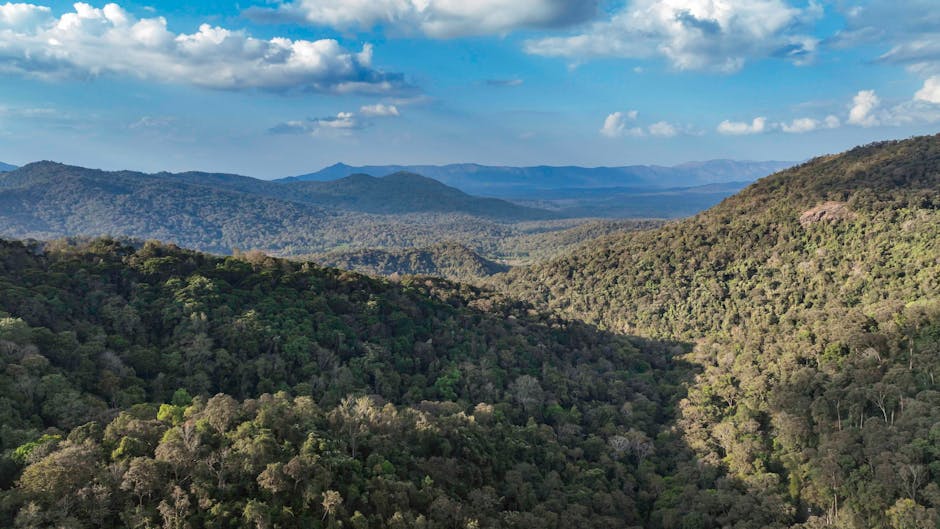
What makes this place so underrated is how it remains overshadowed by more popular Himalayan destinations like Manali or Shimla. Yet, Hemkund Sahib Lake offers something rare—a blend of raw natural beauty and profound spirituality, tied to Guru Gobind Singh’s meditations here centuries ago. The serenity of the lake, surrounded by seven peaks, feels like stepping into a sacred painting. And unlike crowded tourist traps, you’re more likely to hear the rustle of leaves than selfie sticks clicking. In this guide, I’ll walk you through everything you need to know to experience this untouched paradise for yourself.
Why Visit Hemkund Sahib Lake?
- Spiritual Resonance — Revered by Sikhs and Hindus alike, it’s believed to be the meditation site of Guru Gobind Singh and linked to Lakshman from the Ramayana.
- Breathtaking Altitude — At 4,329 meters, it’s one of the highest lakes in India, offering surreal views of snow-draped mountains.
- Untouched Beauty — Far from commercialized hill stations, the lake’s pristine waters and surrounding wildflowers create a tranquil escape.
- Challenging Trek — The 6-km climb from Ghangaria tests your endurance but rewards you with unparalleled vistas at every turn.
- Cultural Immersion — The Hemkund Sahib Gurudwara nearby serves free langar, a humbling experience of community and faith.
- Rare Flora — Spot the elusive Brahma Kamal, a sacred flower that blooms only at high altitudes during monsoon months.
- Solitude Over Crowds — Even during peak season, the remote location ensures a peaceful retreat compared to mainstream destinations.
Top Things to Do & See
Hemkund Sahib Gurudwara
This star-shaped shrine by the lake is a sacred haven, radiating peace amid the rugged terrain. Insider tip: Arrive early to witness the first ardas (prayer) at sunrise—it’s a soul-stirring moment.
Lake Reflection Views
The lake mirrors the surrounding peaks on clear days, creating a postcard-perfect sight. Insider tip: Walk to the northern edge for the best angle, especially around 9 AM when the light is soft.
Trek to Lakshman Temple
A small, ancient shrine near the gurudwara, steeped in mythological lore. Insider tip: Chat with the priest—he often shares lesser-known stories about the area’s history.
Photography at Seven Peaks
The seven snow-clad peaks encircling the lake are a photographer’s dream. Insider tip: Carry a polarizing filter for your camera to capture the reflections without glare.
Spot Brahma Kamal Flowers
These rare, lotus-like blooms dot the landscape if you’re lucky during late monsoon. Insider tip: Ask local guides in Ghangaria for exact spots—they know the hidden patches.
Meditation by the Lake
The silence here, broken only by the wind, makes it ideal for quiet introspection. Insider tip: Sit on the flat rocks near the gurudwara for a meditative spot with a view.
How to Reach Hemkund Sahib Lake
Getting to Hemkund Sahib Lake requires some planning, but the journey is half the adventure. The nearest major town is Joshimath in Uttarakhand’s Chamoli district, a gateway to several Himalayan treks. Start by reaching Dehradun, the closest big city with an airport and railway station. Jolly Grant Airport in Dehradun is about 280 km from Joshimath, while Dehradun Railway Station connects well to Delhi and other northern cities. From Dehradun, take a shared taxi or private cab to Joshimath via NH-7, passing through Rishikesh and Devprayag—a scenic 8-9 hour drive costing around Rs 5,000–6,000 for a private cab or Rs 800–1,000 per person in a shared taxi. Look out for the confluence of the Alaknanda and Bhagirathi rivers at Devprayag—it’s a stunning sight en route.
From Joshimath, drive 20 km to Govindghat, the last motorable point, on a narrow but paved road. Shared jeeps from Joshimath to Govindghat cost Rs 50–70 per person and take about an hour. At Govindghat, park your vehicle if you’ve driven (parking fees are around Rs 100 per day), and begin the trek. The trail to Hemkund Sahib Lake starts with a 13-km hike to Ghangaria, a small base village with basic lodges. This stretch is steep at places but well-marked, with tea stalls like “Baba Ji’s Dhaba” offering hot Maggi for Rs 50 a plate. From Ghangaria, it’s another 6-km uphill trek to the lake—a tough climb taking 3-4 hours one way at high altitude. Mules are available at Govindghat for Rs 1,200–1,500 one way to Ghangaria, and porters can be hired for Rs 800–1,000 to carry bags. Tip: Start early, around 5 AM, from Ghangaria to avoid afternoon fatigue and ensure you return before dark.
Best Time to Visit
The ideal window to visit Hemkund Sahib Lake is between late May and early October, when the trekking route is open and the weather is relatively stable. During peak season (June to August), temperatures hover between 5°C and 15°C, with clear skies perfect for panoramic views. This period also sees moderate crowds, mostly pilgrims, but it’s still far quieter than mainstream hill stations. Late monsoon months, especially August to early September, bring a chance to spot the rare Brahma Kamal flower, though trails can get slippery after rain. Shoulder months like May and October are colder (0°C to 10°C) but offer solitude and stunning autumn hues or fresh snow dusting. Avoid the off-season from November to April, as heavy snowfall blocks the route, and temperatures plummet below freezing.
Where to Stay
Accommodation near Hemkund Sahib Lake is basic, given its remote location, but there are decent options in Ghangaria, the nearest base village. Budget travelers can opt for guesthouses like Hotel Priya or Kailash Lodge, charging Rs 800–1,200 per night for a double room with attached bathrooms—don’t expect hot water unless you pay extra for a bucket (Rs 50). Mid-range stays include Hotel Devlok, where rooms go for Rs 1,500–2,000 per night, offering slightly better amenities like thicker blankets and cleaner washrooms. For a more comfortable experience, consider booking a tented camp through local operators in Ghangaria, such as Himalayan Eco Camps, priced at Rs 2,500–3,000 per night for two, including meals. If you’re starting from Joshimath, hotels like Hotel Dronagiri offer cozy rooms for Rs 2,000–3,000 per night. Book in advance during peak season, as Ghangaria’s limited options fill up fast.
Trip Cost Breakdown (3-Day Trip for 2 People)
| Item | Cost |
|---|---|
| Accommodation (2 nights in Ghangaria) | Rs 3,000 |
| Food (meals & snacks, including langar) | Rs 1,500 |
| Transport (shared taxi from Dehradun to Joshimath & local jeeps) | Rs 2,000 |
| Activities (mule/porter hire if needed) | Rs 1,500 |
| Total | Rs 8,000 |
Suggested Itineraries
- 2-Day Quick Escape
- Day 1: Arrive in Govindghat by 8 AM via Joshimath. Trek 13 km to Ghangaria (5-6 hours), reaching by 2 PM. Rest at a lodge and explore the tiny village market by evening.
- Day 2: Start at 5 AM for the 6-km trek to Hemkund Sahib Lake (3-4 hours). Spend 2 hours at the lake and gurudwara, return to Ghangaria by 1 PM, and trek back to Govindghat by 6 PM for departure.
- 3-Day Deep Dive
- Day 1: Reach Govindghat by 9 AM. Trek to Ghangaria (13 km, 5-6 hours), arriving by 3 PM. Relax at your lodge and enjoy a quiet evening with local tea stalls.
- Day 2: Begin trekking to Hemkund Sahib Lake at 5 AM (6 km, 3-4 hours). Spend 3-4 hours exploring the lake, gurudwara, and nearby spots. Return to Ghangaria by 2 PM and rest.
- Day 3: Take a leisurely morning in Ghangaria, perhaps visiting nearby trails for photography. Trek back to Govindghat by noon (4-5 hours) and depart by evening.
Ideal For
- Spiritual seekers looking for a pilgrimage with natural beauty.
- Trekkers craving a moderate-to-challenging high-altitude hike.
- Nature lovers wanting solitude amid pristine landscapes.
- Photographers aiming to capture rare Himalayan flora and vistas.
- Budget travelers seeking a meaningful yet affordable getaway.
Safety, Permits & Local Etiquette
- Inner Line Permit: No permits are required for Indian nationals to visit Hemkund Sahib Lake. Foreign visitors should carry valid ID and check with local authorities in Joshimath for any travel advisories.
- Mobile Connectivity: Network coverage is spotty in Ghangaria and non-existent at the lake. BSNL works intermittently in Govindghat; carry cash as digital payments often fail.
- Solo Female Traveller: The area is generally safe due to the presence of pilgrims and trekkers. Stick to marked trails, travel in groups if possible, and avoid trekking after dark.
- Do's & Don'ts: Respect the sanctity of the gurudwara—cover your head and remove shoes before entering. Don’t litter; carry trash back. Avoid loud behavior near the lake to maintain its tranquility. Smoking and alcohol are strictly prohibited in this sacred zone.
Hidden Tips Only Repeat Visitors Know
- Carry a lightweight rain poncho even in summer—sudden showers are common above 3,000 meters.
- Pack high-energy snacks like dry fruits; food options dwindle past Ghangaria, and energy dips fast on the climb.
- Wear broken-in trekking shoes with good grip—the final 2 km to the lake has loose gravel that’s tricky.
- Bargain politely for mule rides at Govindghat; initial quotes are often inflated by Rs 200–300.
- Visit the tiny stall near Ghangaria’s helipad for handmade woolen caps—perfect souvenirs for Rs 100–150.
- Acclimatize in Joshimath or Govindghat for a day if you’re coming from the plains to avoid altitude sickness.
- Chat with gurudwara volunteers—they often share fascinating tales about the lake’s history and pilgrims.
- Descend slowly from the lake to prevent knee strain; locals recommend small steps on the rocky path.
Frequently Asked Questions
Q: Is Hemkund Sahib Lake worth visiting?
Absolutely, if you’re drawn to spirituality and nature in equal measure. The lake’s serene beauty, combined with the sacred gurudwara, offers a unique experience unlike typical tourist spots. The trek is challenging but deeply rewarding with views that stay with you long after.
Q: How many days are enough for Hemkund Sahib Lake?
A 2-day trip is the minimum to cover the trek and lake visit, though it feels rushed. Ideally, plan for 3 days to enjoy the journey, soak in the atmosphere, and avoid exhaustion. Add a day in Joshimath if you need acclimatization.
Q: Is Hemkund Sahib Lake safe for solo female travellers?
Yes, it’s relatively safe due to the constant flow of pilgrims and trekkers, especially during peak season. However, stick to well-trodden paths, avoid isolated areas after dark, and team up with fellow travelers for added comfort. Locals are generally helpful and respectful.
Q: Which is better — Hemkund Sahib Lake or Manali?
It depends on your vibe. Manali is more accessible with modern amenities and nightlife, but it’s crowded. Hemkund Sahib Lake offers solitude, spiritual depth, and raw nature, though it demands physical effort. Choose Hemkund if peace trumps convenience.
Q: Do I need permits for Hemkund Sahib Lake?
No permits are needed for Indian citizens to visit Hemkund Sahib Lake or the surrounding areas. Foreign nationals should carry passports and check for any travel restrictions at Joshimath’s local administration office. Always have photo ID handy for security checks.
Q: Is Hemkund Sahib Lake expensive?
Not at all—it’s one of the more budget-friendly Himalayan destinations. A 3-day trip for two can cost under Rs 8,000, covering basic stays, food, and transport. Costs rise if you hire mules or porters, but free langar at the gurudwara helps save on meals.