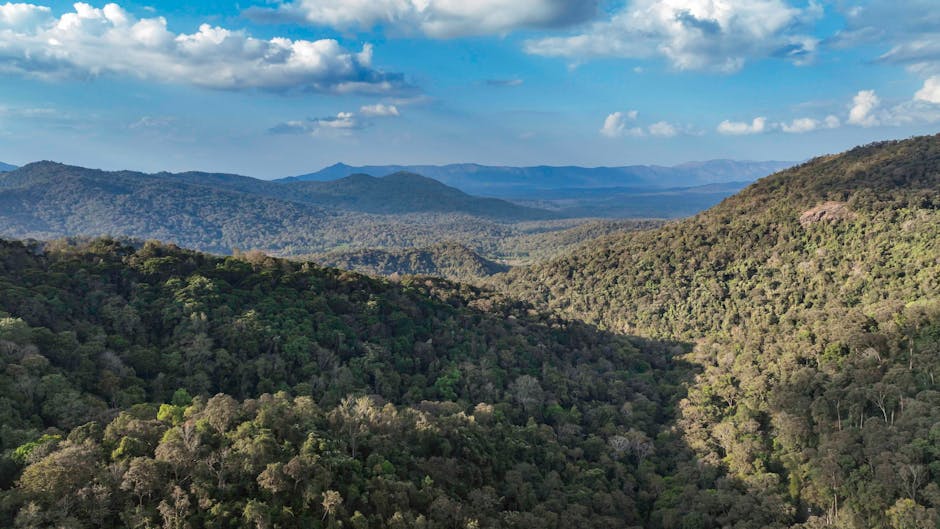
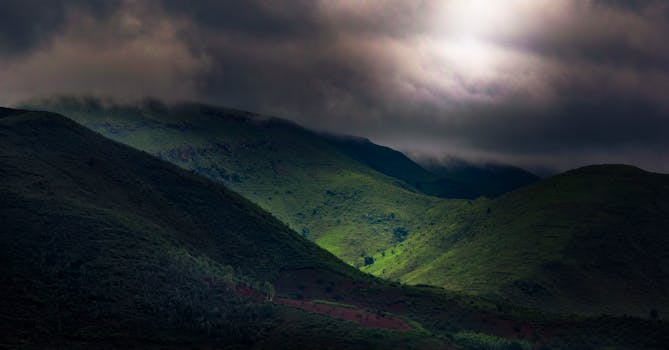
Hemis National Park
The right stay. At the right price. Every time.
Find your perfect Kashmir stay on Unpaqd — with our AI search feature
Curated 4.5+ rated homestays, price-match guarantee, and zero commissions-so you never overpay or settle. Just describe your ideal stay, and we'll do the rest.
Explore stays on UnpaqdSummary
- Hemis National Park: Ladakh's hidden wildlife treasure.
- Perfect for offbeat adventurers seeking untouched beauty.
- Home to the elusive snow leopard in rugged terrains.
- Offers serene escapes far from tourist crowds.
- Budget-friendly trips with priceless natural experiences.
- A peaceful haven for nature and culture lovers.
Hemis National Park
I’ll never forget the first time I stood at the edge of Hemis National Park, the cold Ladakhi wind biting at my cheeks as I scanned the jagged peaks for a glimpse of the elusive snow leopard. It was a moment of pure anticipation, surrounded by nothing but the sound of silence and the distant echo of a mountain stream. Tucked away in the high-altitude deserts of Ladakh, this park is a world apart—a sanctuary of raw, untouched wilderness that most travelers overlook in favor of Leh’s bustling markets or Pangong Lake’s postcard views. What makes Hemis special is its quiet magic; it’s not just a park but a living canvas of rare wildlife, ancient monasteries, and landscapes that feel like they belong to another era. Despite its treasures, it remains underrated, often skipped by those unaware of its allure. In this guide, you’ll discover why Hemis National Park deserves a spot on your travel list, along with insider tips on how to explore its trails, spot its wildlife, and soak in its spiritual essence.
Why Visit Hemis National Park?
- Snow Leopard Sanctuary — It’s one of the best places in the world to spot the elusive snow leopard, often called the "ghost of the mountains."
- High-Altitude Wilderness — Situated at elevations between 3,300 to 6,000 meters, the park offers dramatic landscapes of barren peaks and deep valleys.
- Cultural Heritage — The nearby Hemis Monastery, one of Ladakh’s most revered, hosts the vibrant Hemis Festival with traditional Cham dances.
- Rare Wildlife — Beyond snow leopards, spot Himalayan blue sheep, Tibetan wolves, and over 70 bird species in their natural habitat.
- Offbeat Solitude — Unlike Ladakh’s crowded spots, Hemis offers untouched trails where you can trek for hours without seeing another soul.
- Spiritual Vibes — The park’s proximity to ancient gompas (monasteries) infuses a sense of peace and timelessness into every journey.
- Photographer’s Paradise — The stark contrasts of rugged mountains against clear blue skies create surreal frames at every turn.
Top Things to Do & See
Snow Leopard Trekking
Embark on a thrilling trek through the Rumbak Valley to spot the elusive snow leopard in its natural habitat. Insider tip: Hire a local guide from Rumbak village for the best tracking routes—they know the leopard’s favorite haunts.
Hemis Monastery
Explore the iconic 17th-century Hemis Monastery, a cultural gem perched on a hilltop near the park. Insider tip: Visit during the early morning prayers to witness monks chanting in an atmosphere of pure serenity.
Rumbak Village Homestay
Immerse yourself in Ladakhi life by staying overnight in a traditional homestay in Rumbak. Insider tip: Ask your host to prepare authentic butter tea—it’s a warming ritual you won’t find elsewhere.
Gotsang Gompa
Hike to this secluded meditation retreat above Hemis Monastery for panoramic views of the surrounding mountains. Insider tip: Carry a small offering like incense to honor the resident monks’ hospitality.
Wildlife Spotting in Tarbung Valley
Venture into this lesser-known valley for sightings of Himalayan blue sheep and Tibetan argali. Insider tip: Visit at dawn when animals are most active near water sources.
Indus River Vistas
Marvel at the serene beauty of the Indus River cutting through the park’s rugged terrain. Insider tip: Stop at the viewpoint near Shang Sumdo for the best photo opportunities without crowds.
How to Reach Hemis National Park
Hemis National Park is located about 40 kilometers southeast of Leh, the main hub of Ladakh. The nearest airport is Kushok Bakula Rimpochee Airport in Leh, well-connected to major Indian cities like Delhi, Mumbai, and Srinagar with daily flights. From the airport, hire a taxi to the park’s entry point near Hemis Monastery for around Rs 1,500–2,000, a journey of about 1.5 hours. If you’re traveling by rail, the nearest major railway station is Jammu Tawi, roughly 700 kilometers away. From Jammu, you can take a shared taxi or bus to Leh (a 2-day journey costing Rs 2,000–3,000 per person) via the Srinagar-Leh highway. By road, Leh is accessible via the Manali-Leh or Srinagar-Leh highways, though both routes involve long drives through high passes. From Leh, local taxis or rented bikes are the best way to reach Hemis, with the ride offering stunning views of barren mountains and the Indus River. Always check road conditions, as passes can close due to snow or landslides.
Best Time to Visit
The ideal time to visit Hemis National Park is during the summer months (June to September), when temperatures range from 10°C to 25°C during the day, and the weather is clear for trekking and wildlife spotting. This is the peak season, with accessible trails and vibrant greenery in lower valleys. The shoulder seasons (late April to May and October) are quieter, with cooler temperatures (5°C to 15°C) and fewer tourists, though some higher trails may still have snow. Winter (November to March) is harsh, with temperatures dropping to -20°C, but it’s the prime time for snow leopard sightings if you’re prepared for extreme cold and limited access. Monsoon isn’t a major concern in this high-altitude desert region, as rainfall is minimal, but sudden showers can make trails slippery in lower areas. Pack layers regardless of the season, as nights are always chilly.
Where to Stay
Accommodation options near Hemis National Park cater to various budgets, mostly concentrated around Hemis Monastery and Leh, as staying inside the park isn’t permitted. Here are my top picks:
- Budget: Homestays in Rumbak Village (Rs 800–1,200 per night) offer a cozy, authentic Ladakhi experience with basic amenities and warm hospitality. Meals are often included.
- Mid-Range: Guesthouses near Hemis Monastery, like Himalayan Homestay (Rs 2,000–3,000 per night), provide comfortable rooms with stunning views and easy access to the park’s trails.
- Boutique: For a touch of luxury, stay at The Grand Dragon Ladakh in Leh (Rs 7,000–10,000 per night), about an hour’s drive from Hemis. It blends modern comforts with traditional decor and offers guided day trips to the park.
Booking in advance is recommended during peak season, especially for village homestays, as they fill up quickly with trekkers.
Trip Cost Breakdown (3-Day Trip for 2 People)
| Item | Cost |
|---|---|
| Accommodation (Mid-Range) | Rs 7,500 |
| Food (Local Meals & Snacks) | Rs 3,000 |
| Transport (Taxi from Leh & Local Travel) | Rs 5,000 |
| Activities (Guide Fees & Entry Permits) | Rs 2,500 |
| Total | Rs 18,000 |
Note: Costs are approximate and based on mid-range choices. Budget travelers can reduce expenses by opting for homestays and shared transport.
Suggested Itineraries
- 2-Day Quick Escape
- Day 1: Arrive in Leh by morning, hire a taxi to Hemis Monastery (9 AM–11 AM). Explore the monastery and nearby trails (11 AM–2 PM). Trek to Shang Sumdo for Indus River views (3 PM–5 PM). Overnight in a guesthouse near Hemis.
- Day 2: Early morning wildlife trek in Rumbak Valley with a guide (6 AM–10 AM). Return to Leh by noon, with time for local market shopping before departure (1 PM–3 PM).
- 3-Day Deep Dive
- Day 1: Reach Leh, travel to Hemis Monastery (9 AM–11 AM). Visit the monastery and hike to Gotsang Gompa for panoramic views (12 PM–3 PM). Overnight in a nearby guesthouse.
- Day 2: Full-day snow leopard trekking in Rumbak Valley with a local guide (6 AM–4 PM). Evening cultural interaction at Rumbak Village homestay with traditional meals (5 PM–8 PM).
- Day 3: Morning wildlife spotting in Tarbung Valley (7 AM–10 AM). Return to Leh by early afternoon for souvenirs or a quick visit to Shanti Stupa (12 PM–3 PM) before departure.
Ideal For
- Wildlife enthusiasts eager to spot rare species like snow leopards and Tibetan wolves.
- Trekkers looking for challenging high-altitude trails with jaw-dropping views.
- Culture seekers interested in Ladakhi traditions and Buddhist heritage.
- Solo adventurers craving solitude in untouched natural landscapes.
- Photographers aiming to capture dramatic mountainscapes and unique fauna.
Safety, Permits & Local Etiquette
- Inner Line Permit: Required for Indian nationals visiting certain protected areas near Hemis National Park. Obtain it online or through a registered agent in Leh for a nominal fee (around Rs 400–600 per person).
- Mobile Connectivity: Network coverage is spotty inside the park. Leh has decent connectivity, but carry a satellite phone for emergencies if trekking deep into remote valleys.
- Solo Female Traveller: Generally safe with precautions. Stick to guided treks, avoid isolated trails after dark, and dress modestly to respect local culture.
- Do's & Don'ts: Respect monastery rules by removing shoes and avoiding photography during rituals. Don’t litter—carry trash back. Seek permission before photographing locals. Always carry water and high-energy snacks on treks.
Hidden Tips Only Repeat Visitors Know
- Visit during late winter for higher chances of snow leopard sightings, but team up with experienced trackers from Rumbak.
- Carry a good pair of binoculars—wildlife often stays far from trails, and spotting scopes are heavy to lug around.
- Pack UV-protective sunglasses and high SPF sunscreen; the high-altitude sun is harsher than you’d expect.
- Learn a few basic Ladakhi phrases like "Juley" (hello/thank you) to connect with villagers—they’ll open up with stories and tips.
- Avoid pre-packaged trekking tours from Leh; negotiate directly with local guides for authentic, cheaper experiences.
- Bring cash in small denominations—ATMs are non-existent near the park, and villagers prefer cash for homestays.
- If staying in Rumbak, request a hot water bucket for bathing; it’s a small luxury in freezing temperatures.
- Check for local festivals at Hemis Monastery before planning—they often align with unique cultural events worth witnessing.
Frequently Asked Questions
Q: Is Hemis National Park worth visiting?
Absolutely, especially if you crave offbeat destinations and wildlife adventures. The park offers a rare chance to spot snow leopards and experience Ladakh’s raw, untouched beauty. Its proximity to cultural landmarks like Hemis Monastery adds depth to the trip. It’s a must for nature lovers and trekkers seeking solitude.
Q: How many days are enough for Hemis National Park?
A 2-day trip covers the basics, including a monastery visit and a short trek. However, 3–5 days are ideal to explore deeper trails, spot wildlife, and soak in the local culture. Longer stays increase your chances of rare sightings. Plan according to your trekking stamina and interests.
Q: Is Hemis National Park safe for solo female travellers?
Yes, with precautions, it’s safe for solo female travelers. Stick to guided treks, travel in groups when possible, and stay in reputable homestays or guesthouses. Respect local customs by dressing modestly. Always inform someone of your trekking plans before heading out.
Q: Which is better — Hemis National Park or Nubra Valley?
It depends on your interests. Hemis National Park excels for wildlife, trekking, and solitude, with a focus on raw nature. Nubra Valley offers more accessible scenic beauty, sand dunes, and village experiences. Choose Hemis for adventure, Nubra for a relaxed, picturesque getaway.
Q: Do I need permits for Hemis National Park?
Yes, an Inner Line Permit is required for certain areas near the park, especially for Indian nationals. It’s easily obtainable in Leh or online through registered agents for a small fee. Foreign nationals may need additional permits, so check with local authorities. Carry ID proofs at all times.
Q: Is Hemis National Park expensive?
No, it’s quite budget-friendly compared to other Ladakh destinations. A mid-range 3-day trip for two can cost around Rs 18,000, covering stay, food, and transport. Costs drop further with homestays and shared taxis. It’s a high-value destination for the experience it offers.