Hemis
The right stay. At the right price. Every time.
Find your perfect Kashmir stay on Unpaqd — with our AI search feature
Curated 4.5+ rated homestays, price-match guarantee, and zero commissions-so you never overpay or settle. Just describe your ideal stay, and we'll do the rest.
Explore stays on UnpaqdSummary
- Hemis: A hidden gem nestled in Ladakh’s rugged landscapes.
- Offbeat destination far from mainstream tourist trails.
- Offers serene monasteries and untouched natural beauty.
- Perfect for peaceful, soul-soothing escapes.
- Exceptional value for money with affordable stays.
- Ideal for adventurers seeking authentic cultural experiences.
Hemis
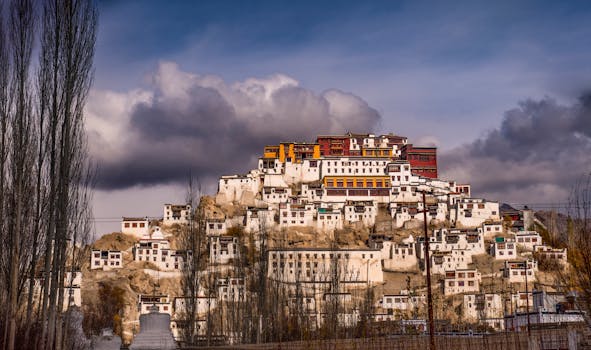
As I wound through the barren, breathtaking valleys of Ladakh, my heart skipped a beat when Hemis first came into view. The ancient Hemis Monastery, perched on a hillside, seemed to whisper tales of centuries past, its colorful prayer flags fluttering against a backdrop of stark mountains. I remember sitting on a rocky ledge, sipping butter tea with a local monk who shared stories of the monastery’s hidden treasures. This wasn’t just a destination; it was a journey into a world untouched by time. Hemis, often overshadowed by Leh’s bustling charm, remains underrated despite being home to one of the richest cultural heritages in the region. What makes it special is its quiet allure—far from crowded tourist spots, it offers a raw, authentic glimpse into Ladakhi life. In this guide, you’ll discover why Hemis deserves a spot on your travel list, from its iconic monastery to hidden trails, practical tips, and insider secrets for an unforgettable trip.
Why Visit Hemis?
- Spiritual Haven — Hemis Monastery, the largest in Ladakh, houses ancient Buddhist relics and hosts the vibrant Hemis Festival.
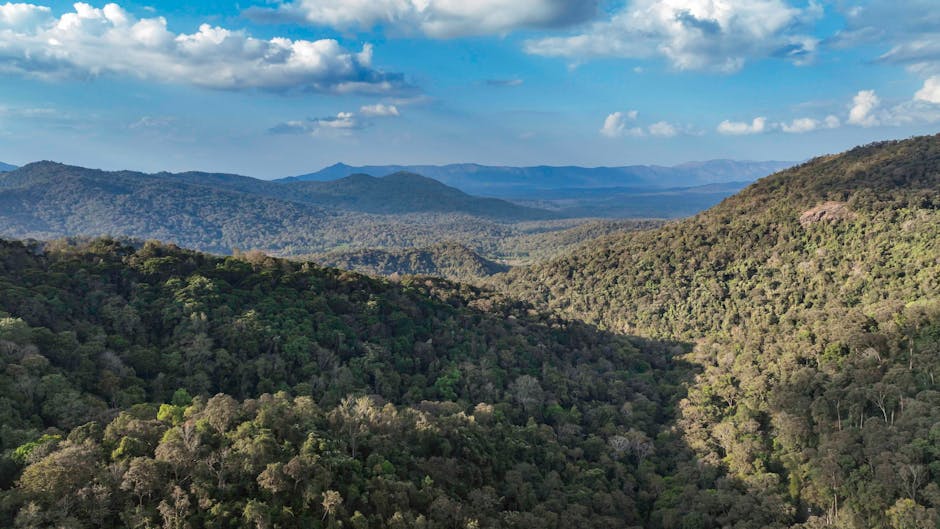
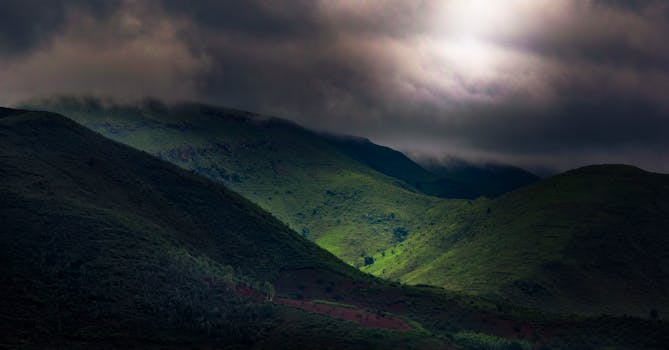
- Untouched Nature — Surrounded by dramatic mountains and the Indus River, it’s a paradise for nature lovers seeking solitude.
- Cultural Immersion — Experience authentic Ladakhi traditions through local interactions, far from commercialized tourist traps.
- Adventure Base — Perfect starting point for treks like the Markha Valley, offering rugged trails and stunning vistas.
- Historical Depth — The monastery’s museum showcases rare artifacts, giving insights into Tibetan Buddhist history.
- Peaceful Escape — Unlike crowded Leh, Hemis offers tranquility with minimal tourist footfall.
- Photographer’s Dream — Capture surreal landscapes, from golden prayer wheels to snow-capped peaks in one frame.
Top Things to Do & See
Hemis Monastery
Marvel at the largest and wealthiest monastery in Ladakh, a 17th-century architectural gem. Insider tip: Visit the hidden courtyard behind the main hall for a quiet moment with panoramic valley views.
Hemis National Park
Explore this high-altitude park, home to the elusive snow leopard and rare Himalayan wildlife. Insider tip: Hire a local guide to spot blue sheep near Rumbak village during early mornings.
Indus River Views
Soak in the serene beauty of the Indus River cutting through the rugged terrain near Hemis. Insider tip: Walk down to lesser-known riverbank spots for uninterrupted photography at dusk.
Gotsang Gompa
Hike to this secluded meditation retreat above Hemis Monastery for spiritual calm and stunning vistas. Insider tip: Carry water and snacks as there are no shops en route.
Local Ladakhi Villages
Wander through nearby villages like Chilling to witness traditional mud houses and warm hospitality. Insider tip: Ask locals to show you their handmade woolen crafts for authentic souvenirs.
Markha Valley Trek Start
Kick off one of Ladakh’s most iconic treks from Hemis, passing remote hamlets and high passes. Insider tip: Acclimatize for a day in Hemis before starting to avoid altitude issues.
How to Reach Hemis
Hemis is located about 45 kilometers southeast of Leh, the main hub of Ladakh. The nearest airport is Kushok Bakula Rimpochee Airport in Leh, well-connected to Delhi, Mumbai, and other major Indian cities with daily flights. From the airport, hire a taxi or take a shared cab to Hemis, which takes about 1.5 hours and costs approximately Rs 1,500–2,000 for a private cab. If you’re traveling by road, Leh is accessible via the Srinagar-Leh Highway or Manali-Leh Highway, both offering jaw-dropping views but requiring careful planning due to seasonal closures. From Leh, local buses to Hemis are available for around Rs 100 per person, though they’re less frequent. For rail travelers, the nearest railway station is Jammu Tawi, over 700 kilometers away, making road or air travel via Leh the most practical option. Self-driving or renting a bike from Leh is also popular, with rental costs starting at Rs 1,000 per day for a bike.
Best Time to Visit
The ideal time to visit Hemis is during the summer months from June to September, when the weather is pleasant with temperatures ranging between 15°C and 25°C during the day. This is also when the Hemis Festival, a vibrant celebration of Ladakhi culture, often takes place, drawing visitors for its masked dances and rituals. The shoulder seasons of late spring (April-May) and early autumn (October) offer cooler weather, fewer crowds, and stunning landscapes, with temperatures dipping to 5°C–10°C. Winters (November to March) are harsh, with heavy snowfall and temperatures plummeting below -10°C, making access difficult and many facilities closed. Monsoons are negligible in this arid region, but occasional landslides on connecting roads can disrupt travel, so always check road conditions before planning.
Where to Stay
Accommodation in Hemis caters to a range of budgets, though options are limited compared to Leh. For budget travelers, guesthouses near Hemis Monastery offer basic rooms starting at Rs 800–1,200 per night, often with shared bathrooms and home-cooked meals. Try places like Namgyal Guesthouse for a cozy, authentic stay. Mid-range options include small hotels and homestays in and around Hemis village, priced between Rs 2,000–3,500 per night, such as Himalayan Homestay, which provides clean rooms and stunning valley views. For a boutique experience, consider eco-lodges or upscale camps slightly outside Hemis, like Chamba Camp, offering luxury tents with modern amenities for Rs 6,000–8,000 per night. Booking in advance is recommended, especially during peak summer or festival times, as accommodations fill up quickly.
Trip Cost Breakdown (3-Day Trip for 2 People)
| Item | Cost |
|---|---|
| Accommodation (Mid-range) | Rs 9,000 |
| Food (Local meals & cafes) | Rs 3,000 |
| Transport (Taxi from Leh & local) | Rs 4,000 |
| Activities (Entry fees & short treks) | Rs 2,000 |
| Total | Rs 18,000 |
Suggested Itineraries
- 2-Day Quick Escape
- Day 1: Arrive in Hemis from Leh by 10 AM. Check into your guesthouse, then spend the day exploring Hemis Monastery (11 AM–2 PM). Enjoy lunch at a local eatery (2 PM–3 PM) and hike to Gotsang Gompa for sunset views (3:30 PM–6 PM). Return for dinner and rest.
- Day 2: Start with a morning visit to Hemis National Park for wildlife spotting (7 AM–11 AM). Post lunch, explore nearby villages like Chilling (12 PM–3 PM). Head back to Leh by evening (4 PM onwards).
- 3-Day Deep Dive
- Day 1: Reach Hemis from Leh by 10 AM. Settle into accommodation and visit Hemis Monastery for a detailed tour (11 AM–2 PM). Have lunch, then relax by the Indus River for scenic views (3 PM–5 PM). Evening free for stargazing.
- Day 2: Early start for Hemis National Park to spot wildlife (6 AM–11 AM). Return for lunch, then hike to Gotsang Gompa for meditation and views (1 PM–5 PM). Dinner at a local homestay.
- Day 3: Explore local villages and interact with Ladakhi families (9 AM–1 PM). Post lunch, prepare for a short trek or simply soak in the surroundings (2 PM–4 PM). Return to Leh by evening.
Ideal For
- Spiritual seekers looking for Buddhist heritage and meditative retreats.
- Nature enthusiasts eager to explore high-altitude landscapes and wildlife.
- Adventure lovers seeking offbeat treks and rugged terrain.
- Cultural explorers wanting authentic interactions with Ladakhi communities.
- Photographers chasing dramatic mountain vistas and monastic charm.
Safety, Permits & Local Etiquette
- Inner Line Permit: Required for Indian nationals visiting certain areas near Hemis, especially for treks or border zones. Obtain it online or through Leh’s DC office for a nominal fee of Rs 400–500 per person.
- Mobile Connectivity: Network is patchy in Hemis; only major providers like BSNL and Airtel work sporadically. Carry a satellite phone for emergencies if trekking.
- Solo Female Traveller: Hemis is generally safe, but stick to populated areas and avoid isolated trails at night. Dress modestly to respect local culture.
- Do's & Don'ts: Always ask permission before photographing monks or rituals. Remove shoes before entering monastery halls. Avoid loud behavior in sacred spaces. Respect local customs by greeting with a polite “Juley.”
Hidden Tips Only Repeat Visitors Know
- Visit Hemis Monastery early in the morning to witness monks chanting during prayers.
- Carry cash as ATMs are non-existent in Hemis; Leh is the nearest banking hub.
- Pack warm layers even in summer—nights get surprisingly chilly.
- Buy handmade Ladakhi shawls directly from villagers for better prices than Leh markets.
- Ask locals about lesser-known trails near Hemis National Park for unique hikes.
- Taste authentic butter tea at small roadside stalls instead of tourist cafes.
- Plan your trip around the Hemis Festival for an unforgettable cultural spectacle.
- Hire a local guide for treks; their knowledge of hidden spots is invaluable.
Frequently Asked Questions
Q: Is Hemis worth visiting?
Hemis is absolutely worth visiting for its unique blend of spirituality, culture, and nature. The iconic Hemis Monastery offers a deep dive into Buddhist heritage, while the surrounding landscapes are perfect for peace seekers. It’s a refreshing escape from overcrowded tourist spots in Ladakh. If you crave authenticity, Hemis won’t disappoint.
Q: How many days are enough for Hemis?
A 2–3 day trip is ideal to explore Hemis thoroughly. Two days cover the monastery, nearby villages, and short hikes, while an extra day allows deeper exploration of Hemis National Park or treks. Rushing through in a day trip from Leh misses the essence of this serene place.
Q: Is Hemis safe for solo female travellers?
Hemis is relatively safe for solo female travellers, with a peaceful local community. However, stick to well-trodden paths, avoid isolated areas after dark, and dress conservatively to respect cultural norms. Always inform someone about your plans if trekking or exploring alone.
Q: Which is better — Hemis or Leh?
Hemis and Leh cater to different vibes. Leh offers more amenities, nightlife, and accessibility, while Hemis is quieter, spiritually enriching, and closer to raw nature. If you seek solitude and culture over convenience, Hemis edges out; for a broader Ladakh experience, start with Leh.
Q: Do I need permits for Hemis?
Indian nationals need an Inner Line Permit for certain restricted areas near Hemis, especially for treks or border zones. It’s easily obtainable in Leh or online for a small fee. Foreign nationals may require a Protected Area Permit, so check regulations before planning. Always carry ID and permits while traveling.
Q: Is Hemis expensive?
Hemis is quite affordable compared to other tourist-heavy areas in Ladakh. Accommodation starts at Rs 800 per night for budget options, and meals are reasonably priced at local eateries. Transport from Leh is the main cost, but overall, a trip here offers great value for money.