Hanle Observatory: Explore India’s Stargazing Hidden Gem – Travel Guide
The right stay. At the right price. Every time.
Find your perfect Kashmir stay on Unpaqd — with our AI search feature
Curated 4.5+ rated homestays, price-match guarantee, and zero commissions-so you never overpay or settle. Just describe your ideal stay, and we'll do the rest.
Explore stays on UnpaqdSummary
- Hanle Observatory: A hidden gem in Ladakh’s remote wilderness.
- Perfect for stargazing and offbeat adventure seekers.
- Offers unparalleled peace in a surreal lunar landscape.
- Budget-friendly with unique cultural and scientific experiences.
- A rare chance to witness the clearest night skies.
- Ideal for those craving solitude and raw nature.
Hanle Observatory
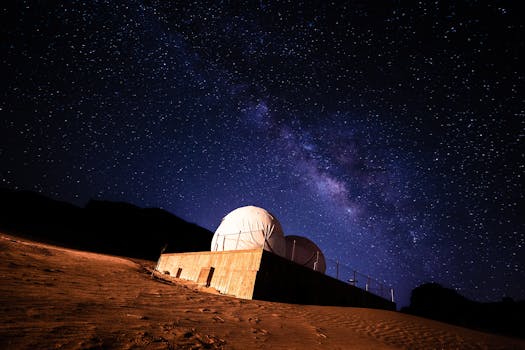
I still remember the first time I reached Hanle, after a bone-rattling six-hour drive from Leh, as the sun dipped below the rugged Changthang plateau. It was late afternoon, and the air at 4,500 meters was so crisp it felt like it could snap. I stepped out of the car, wrapped in layers, and saw the white domes of the Hanle Observatory gleaming against a backdrop of barren, otherworldly mountains. A local herder, bundled in a traditional goncha robe, waved at me with a shy smile while his yaks grazed nearby. I couldn’t believe a place this remote housed one of the world’s highest observatories, a haven for astronomers and dreamers alike.
What makes Hanle Observatory so underrated is its sheer isolation—far from tourist traps, it’s a sanctuary of silence and stars. Unlike more crowded spots in Ladakh, here you’re one of just a handful of visitors, if any. The Indian Astronomical Observatory, run by the Indian Institute of Astrophysics, isn’t just a scientific marvel; it’s a window to the cosmos, offering night sky views so clear you feel you could touch the Milky Way. Stick with me, and I’ll walk you through everything you need to uncover this hidden wonder of Ladakh.
Why Visit Hanle Observatory?
- Stargazing Paradise — Located at one of the world’s highest altitudes, Hanle offers unpolluted skies perfect for spotting constellations and galaxies.
- Remote Serenity — Nestled in the Changthang Wildlife Sanctuary, it’s a place where silence reigns, broken only by the wind or distant yak bells.
- Cultural Immersion — The nearby Hanle Monastery, a 17th-century gem, gives a glimpse into Ladakhi Buddhist traditions with its ancient murals.
- Scientific Marvel — Home to the Himalayan Chandra Telescope, it’s a rare chance to witness cutting-edge astronomy in an otherworldly setting.
- Unique Landscape — Surrounded by the stark, moon-like terrain of eastern Ladakh, it’s a photographer’s dream at every turn.
- Wildlife Encounters — Spot rare species like the Tibetan gazelle or black-necked crane in the surrounding high-altitude plains.
- Offbeat Adventure — Far from typical tourist routes, Hanle promises a raw, unfiltered journey for the intrepid traveler.
Top Things to Do & See
Hanle Observatory Night Viewing
Gaze at the universe through guided stargazing sessions under one of the clearest skies on Earth. Insider tip: Book your slot in advance through the observatory staff; they limit visitors to maintain tranquility.
Hanle Monastery
Explore this ancient Buddhist monastery perched on a hill, its prayer flags fluttering against the barren backdrop. Insider tip: Chat with the resident monks over butter tea—they often share lesser-known local folklore.
Changthang Wildlife Sanctuary
Venture into the surrounding sanctuary for a chance to spot elusive high-altitude wildlife. Insider tip: Early mornings near the Hanle River offer the best sightings of migratory birds.
Tso Moriri Lake (Day Trip)
Drive 80 km to this stunning high-altitude lake for breathtaking views and serene shores. Insider tip: Stop at the small Korzok village en route for authentic momos at local stalls.
Village Walks in Hanle
Stroll through the tiny hamlet of Hanle, with just a handful of mud-brick homes and smiling locals. Insider tip: Visit the local school if open—kids love sharing stories with visitors.
Photography at Digpa Ratsa Ri
Capture surreal shots of the lunar landscape from this nearby viewpoint at dusk. Insider tip: Carry a sturdy tripod; the wind at this altitude can be unforgiving.
How to Reach Hanle Observatory
Getting to Hanle Observatory is an adventure in itself, given its remote location in eastern Ladakh, about 260 km from Leh. The most common starting point is Leh, the nearest major hub with an airport. Kushok Bakula Rimpochee Airport in Leh connects to Delhi, Mumbai, and Srinagar with daily flights, and cab fares from the airport to Leh town are around Rs 500-600.
From Leh, the journey to Hanle takes about 6-7 hours by road via the Leh-Manali Highway (NH-3) for the initial stretch, then diverging onto the Pang-Hanle Road past the stunning Pangong Tso Lake. The route is rugged, with narrow, unpaved sections after Loma Checkpost, so a sturdy SUV with high ground clearance is a must. Key landmarks include the Loma Bridge over the Indus River and the vast plains of Changthang after Nyoma village. Petrol pumps are scarce beyond Leh, so refuel at Karu (30 km from Leh) before heading out. Hiring a private taxi from Leh costs around Rs 10,000-12,000 for a round trip, while shared taxis, if available, charge Rs 2,000-2,500 per person one way—check at Leh’s main taxi stand near Polo Ground.
For those on a budget, local buses run by J&K SRTC operate sporadically from Leh to Hanle, departing from the Old Bus Stand. Tickets cost around Rs 500 per person, but schedules are unreliable, and the ride can stretch to 8-9 hours. If you’re riding a bike, ensure you’re experienced with high-altitude terrain; breakdowns are common, and help is hours away. Carry spare fuel and tools. Lastly, acclimatization in Leh for 2-3 days is critical before heading to Hanle’s extreme altitude—don’t rush this journey.
Best Time to Visit
The ideal window to visit Hanle Observatory is between May and September, when the weather is relatively mild, with daytime temperatures hovering between 10°C and 20°C. Nights are chilly even in peak summer, dipping to 0°C, so warm layers are non-negotiable. This period also offers clear skies, perfect for stargazing, and the roads are generally accessible.
October to November is a shoulder season with colder days (0°C to 10°C) and freezing nights, but the landscape takes on a stark, dramatic beauty, and fewer visitors mean more solitude. Winter, from December to April, is harsh, with temperatures plummeting to -20°C and heavy snowfall often blocking roads. Monsoon months (July-August) bring occasional rain, making roads slippery, though rainfall is minimal in this high-altitude desert. For the best balance of weather and stargazing, aim for late May or early September.
Where to Stay
Accommodation in Hanle is limited due to its remote location, but there are options for different budgets, mostly in the form of guesthouses and homestays in Hanle village, a short drive from the observatory.
For budget travelers, Hanle Homestay near the monastery offers basic rooms with shared bathrooms for Rs 1,000-1,500 per night, including simple home-cooked meals. Another option is Tashi Homestay, where you can stay for around Rs 1,200 per night and enjoy warm Ladakhi hospitality. Mid-range seekers can opt for Padma Lodge, a small guesthouse with slightly better amenities like attached bathrooms for Rs 2,500-3,000 per night. For a more comfortable, boutique-like experience, Hanle Retreat offers cozy rooms with stunning views of the valley for Rs 4,000-5,000 per night, often including guided stargazing tours. Book in advance, especially during peak months, as options fill up fast with limited beds available.
Trip Cost Breakdown (3-Day Trip for 2 People)
| Item | Cost |
|---|---|
| Accommodation (Mid-range at Rs 3,000/night) | Rs 9,000 |
| Food (Local meals at Rs 800/day) | Rs 2,400 |
| Transport (Round-trip taxi from Leh) | Rs 11,000 |
| Activities (Stargazing & local tours) | Rs 2,000 |
| Total | Rs 24,400 |
Suggested Itineraries
- 2-Day Quick Escape
- Day 1: Depart Leh at 7 AM, reach Hanle by 2 PM via Pangong route. Check into a homestay, rest, and explore Hanle Monastery by evening (5 PM). Join a stargazing session at the observatory from 9 PM to 11 PM.
- Day 2: Morning village walk at 8 AM, followed by a short drive to Digpa Ratsa Ri for photography (10 AM-12 PM). Return to Leh by 1 PM, arriving by 8 PM.
- 3-Day Deep Dive
- Day 1: Leave Leh at 7 AM, arrive in Hanle by 2 PM. Settle into accommodation, visit Hanle Monastery at 4 PM, and enjoy a quiet dinner with locals by 7 PM. Stargazing at the observatory from 9 PM to 11 PM.
- Day 2: Early morning wildlife spotting near Changthang Sanctuary (6 AM-9 AM). Day trip to Tso Moriri Lake (10 AM-4 PM), with lunch at Korzok village. Return for a relaxed evening in Hanle.
- Day 3: Explore Digpa Ratsa Ri viewpoint at 8 AM for photos. Depart Hanle by 11 AM, reaching Leh by 6 PM.
Ideal For
- Astronomy enthusiasts eager to witness pristine night skies.
- Solo adventurers seeking untouched, remote destinations.
- Couples looking for a peaceful, unconventional getaway.
- Photographers chasing surreal high-altitude landscapes.
- Wildlife lovers hoping to spot rare Himalayan species.
Safety, Permits & Local Etiquette
- Inner Line Permit: Required for Indian nationals visiting Hanle due to its proximity to the Indo-China border. Obtain it online via the Leh DC office website or in person at Leh for Rs 400-500 per person, valid for 7 days.
- Mobile Connectivity: Networks are spotty at best; BSNL works intermittently in Hanle village, but don’t rely on internet. Carry a satellite phone for emergencies if possible.
- Solo Female Traveller: Generally safe due to the small, close-knit community, but stick to guided tours for stargazing and avoid isolated areas after dark. Travel with a group if possible for added comfort.
- Do's & Don'ts: Respect monastery rules—remove shoes and avoid loud behavior. Don’t litter; waste disposal is a challenge here. Ask before photographing locals, and contribute to the community by buying local goods.
Hidden Tips Only Repeat Visitors Know
- Carry high SPF sunscreen and lip balm; the high-altitude sun burns fast even on cloudy days.
- Pack portable oxygen cans (available in Leh for Rs 500 each) to combat altitude sickness.
- Buy snacks and water at Karu before heading out—shops in Hanle have limited stock.
- Visit the observatory on a new moon night for the darkest, clearest skies.
- Chat with locals at Tsering’s Tea Stall in Hanle village for insider travel tips.
- Carry cash; there are no ATMs or digital payment options in Hanle.
- Wear sturdy trekking shoes for village walks—paths are uneven and rocky.
- If driving, keep a jerry can of extra fuel; the nearest pump is 200 km away.
Frequently Asked Questions
Q: Is Hanle Observatory worth visiting?
Absolutely, especially if you crave offbeat destinations and stargazing. The isolation, coupled with some of the clearest night skies in the world, makes it a unique experience. It’s not just about science; the surrounding landscape and culture add depth to the journey. Just be prepared for a rugged trip to get there.
Q: How many days are enough for Hanle Observatory?
A 2-day trip covers the basics, including stargazing and a quick village tour. However, 3 days allow for a deeper experience, with time for nearby Tso Moriri and wildlife spotting. Don’t rush; the altitude demands slow pacing. Anything less feels incomplete.
Q: Is Hanle Observatory safe for solo female travellers?
It’s relatively safe due to the small, friendly local population, but caution is advised. Stick to guided observatory visits and avoid venturing alone into remote areas at night. Traveling with a group or hiring a trusted driver from Leh adds an extra layer of security. Always inform someone of your plans.
Q: Which is better — Hanle Observatory or Pangong Tso?
It depends on your vibe. Hanle is for solitude, stargazing, and raw landscapes, while Pangong Tso offers iconic turquoise lake views and easier access. Hanle feels more untouched, but Pangong has better facilities. Pick Hanle if you’re after something truly remote.
Q: Do I need permits for Hanle Observatory?
Yes, an Inner Line Permit is mandatory for Indian nationals due to its border proximity. Apply online or at the Deputy Commissioner’s office in Leh for Rs 400-500. Foreign nationals need a Protected Area Permit, arranged through a registered travel agent. Carry multiple copies of the permit for checkpoints.
Q: Is Hanle Observatory expensive?
Not really; it’s quite budget-friendly compared to mainstream Ladakh spots. A 3-day trip for two can cost around Rs 24,000, including transport and stay. The main expense is hiring a taxi from Leh, but food and accommodation are reasonably priced. Plan ahead to avoid last-minute cost spikes.