Haflong
The right stay. At the right price. Every time.
Find your perfect Meghalaya stay on Unpaqd — with our AI search feature
Curated 4.5+ rated homestays, price-match guarantee, and zero commissions-so you never overpay or settle. Just describe your ideal stay, and we'll do the rest.
Explore stays on UnpaqdSummary
- Haflong: Assam's hidden gem nestled in serene hills.
- Perfect offbeat escape from crowded tourist spots.
- Offers peaceful landscapes and rich tribal culture.
- Ideal for nature lovers seeking solitude.
- Budget-friendly destination with authentic experiences.
- A rare blend of adventure and tranquility.
Haflong
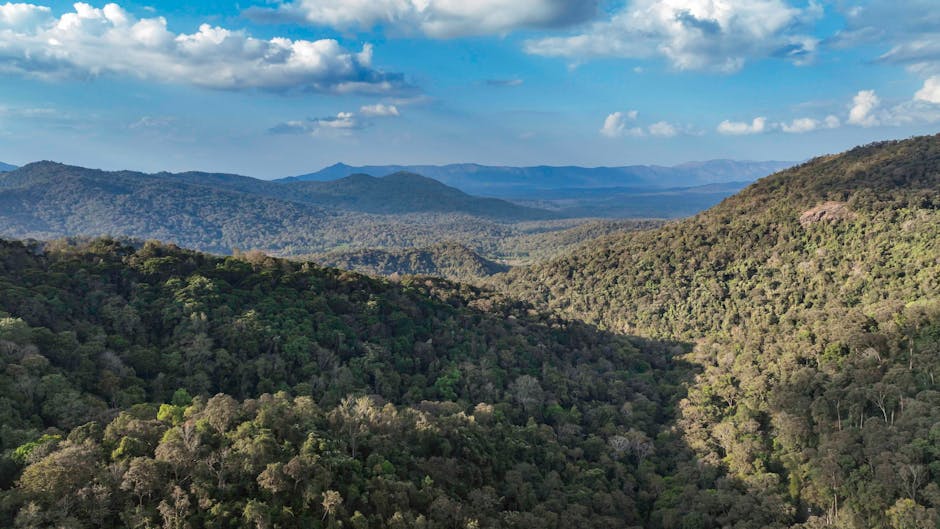
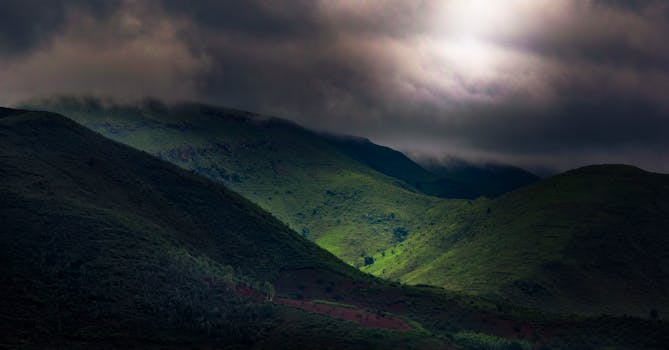
I still remember the first time I stumbled upon Haflong, quite by accident, while chasing a lesser-known route through Assam’s lush hills. The air was crisp, carrying the faint scent of pine and wildflowers, as I wound up the narrow roads to this quaint hill station in Dima Hasao district. Often called the "Switzerland of the East," Haflong’s charm lies in its untouched beauty—rolling emerald hills, misty mornings, and a quiet that feels almost sacred. Yet, it remains criminally underrated, overshadowed by more popular destinations in the Northeast. What makes it special is its raw, uncommercialized vibe; here, you’re not just a tourist, you’re a guest of nature and the warm Dimasa, Naga, and Kuki communities. In this guide, you’ll discover why Haflong deserves a spot on your travel list, from its breathtaking viewpoints to hidden trails, along with practical tips to plan your escape to this offbeat paradise.
Why Visit Haflong?
- Untouched Natural Beauty — Haflong’s sprawling hills and pristine lakes offer postcard-perfect views without the tourist crowds.
- Cultural Richness — Home to diverse tribal communities like Dimasa and Naga, it’s a window into unique traditions and festivals.
- Adventure Haven — From trekking to paragliding, the rugged terrain is a playground for thrill-seekers.
- Serene Escape — Unlike bustling hill stations, Haflong promises solitude with its quiet villages and misty mornings.
- Haflong Lake — The iconic lake at the town’s heart mirrors the surrounding hills, creating a surreal spectacle.
- Affordable Getaway — Enjoy a fulfilling trip without burning a hole in your pocket, thanks to reasonable costs.
- Offbeat Charm — Its relative obscurity ensures an authentic experience, far from commercialized tourist traps.
Top Things to Do & See
Haflong Lake
A shimmering gem in the town center, this lake offers tranquil boat rides with hills reflecting in its calm waters. Insider tip: Visit at sunrise for a magical mist-covered view locals swear by.
Jatinga Bird Mystery
Witness the eerie phenomenon of birds mysteriously flocking to this village, a puzzle even scientists haven’t fully solved. Insider tip: Chat with villagers for folklore about this strange occurrence.
Maibang Ruins
Explore ancient stone carvings and remnants of the Dimasa kingdom, steeped in history and architectural intrigue. Insider tip: Hire a local guide to decode hidden symbols on the rocks.
Umrangso Reservoir
A lesser-known spot, this reservoir offers stunning views and a peaceful picnic setting amidst dense forests. Insider tip: Drive a little beyond for secret vantage points only locals frequent.
Hilltop Trekking
Conquer the rugged trails around Haflong for panoramic views that reward every step with breathtaking vistas. Insider tip: Ask locals for the unmarked “Sunset Point” trail for a private show.
Local Markets
Dive into bustling bazaars to shop for handmade tribal crafts and taste authentic Dimasa cuisine. Insider tip: Bargain for bamboo artifacts—they’re unique souvenirs rarely found elsewhere.
How to Reach Haflong
Haflong is well-connected despite its offbeat status, though it requires some planning. The nearest airport is in Silchar, about 100 kilometers away, with flights from major cities like Kolkata and Guwahati. From Silchar, hire a shared taxi or private cab for around Rs 2,000–2,500, taking approximately 3–4 hours via scenic but winding roads. By rail, Haflong has its own station on the Lumding-Silchar line, with trains from Guwahati (about 8–10 hours, fares starting at Rs 300 for sleeper class). For road travelers, Guwahati is 330 kilometers away, a 9–10 hour drive on NH-27; self-drive or hire a cab for Rs 5,000–6,000 one way. Shared taxis from Guwahati to Haflong are cheaper at Rs 600–800 per person but less comfortable. The best route is via Shillong and Silchar for smoother roads and stunning views.
Best Time to Visit
Haflong shines brightest between October and March, when the weather is cool (10–20°C) and ideal for trekking and sightseeing. This peak season brings clear skies and vibrant landscapes, perfect for exploring without rain interruptions. The shoulder months of April and September are pleasant too, with mild temperatures (15–25°C) and fewer visitors, offering a quieter experience. Monsoon, from June to August, sees heavy rainfall, making roads slippery and trekking risky, though the hills turn lush and waterfalls come alive. Summers (April–May) can get warm (up to 30°C), but early mornings and evenings remain comfortable. Pack layers for winter nights as temperatures can dip significantly.
Where to Stay
Haflong offers a range of accommodations catering to different budgets, mostly clustered around the main town near Haflong Lake. For budget travelers, guesthouses like Nothao Lodge in the central area provide basic but clean rooms for Rs 800–1,200 per night, often with lake views. Mid-range options include hotels like Landmark Hotel near the market, offering comfortable stays with amenities like Wi-Fi and hot water for Rs 2,000–2,500 per night. For a more boutique experience, check out homestays in nearby villages like Jatinga, where hosts offer personalized hospitality and home-cooked meals for Rs 3,000–4,000 per night. Booking in advance is recommended during peak season, as options are limited and fill up quickly. Always confirm facilities like power backup, as outages can occur in remote areas.
Trip Cost Breakdown (3-Day Trip for 2 People)
| Item | Cost |
|---|---|
| Accommodation (Mid-range) | Rs 7,500 |
| Food (Local eateries & markets) | Rs 3,000 |
| Transport (Local taxis & shared cabs) | Rs 2,500 |
| Activities (Boating, entry fees) | Rs 1,000 |
| Total | Rs 14,000 |
Note: Costs exclude travel to Haflong from your starting point and assume mid-range choices with minimal splurges.
Suggested Itineraries
- 2-Day Quick Escape
- Day 1: Arrive by morning; check into accommodation near Haflong Lake. Spend 10 AM–1 PM boating and relaxing by the lake. Post lunch, explore local markets till 5 PM for crafts and snacks. Evening at leisure with sunset views from a nearby hillock.
- Day 2: Start early at 7 AM for a short trek to a viewpoint for sunrise. Visit Jatinga village by 10 AM to learn about the bird mystery. Return by afternoon and depart post lunch.
- 3-Day Deep Dive
- Day 1: Reach Haflong by noon; settle into your stay. Spend 2 PM–5 PM at Haflong Lake with boating and photography. Evening stroll through town, tasting local food at roadside stalls till 8 PM.
- Day 2: Begin at 6 AM with a trek to a hilltop for panoramic views, back by 11 AM. Post lunch, drive to Umrangso Reservoir (1 PM–4 PM) for a serene picnic. Return by evening for rest.
- Day 3: Morning visit to Jatinga (8 AM–11 AM) for the bird phenomenon stories. Explore Maibang Ruins from 12 PM–3 PM with a local guide. Depart by late afternoon.
Ideal For
- Nature enthusiasts craving unspoiled landscapes and serene lakes.
- Adventure seekers looking for offbeat trekking and paragliding spots.
- Culture buffs eager to experience tribal traditions and festivals.
- Solo travelers or couples seeking peaceful, crowd-free getaways.
- Budget travelers wanting an affordable yet enriching hill escape.
Safety, Permits & Local Etiquette
- Inner Line Permit: Not required for Indian nationals visiting Haflong, as it falls outside restricted zones. However, carry valid ID proof for checkpoints.
- Mobile Connectivity: Network coverage is patchy, especially in remote villages like Jatinga. Major operators work in town, but don’t rely on internet for navigation.
- Solo Female Traveller: Haflong is relatively safe with friendly locals, but avoid isolated areas after dark. Stick to populated spots and inform your stay about plans.
- Do's & Don'ts: Respect tribal customs; ask before photographing people or rituals. Avoid littering in natural areas. Dress modestly in villages to blend in. Bargain politely in markets.
Hidden Tips Only Repeat Visitors Know
- Carry cash in small denominations; ATMs are few, and card payments aren’t widely accepted.
- Pack sturdy shoes for treks; trails can be uneven, especially after rain.
- Buy local rice beer from village vendors for an authentic taste, but drink responsibly.
- Visit during local festivals like Busu Dima for vibrant cultural immersion.
- Hire local drivers for day trips; they know shortcuts and hidden scenic spots.
- Stock up on snacks in town; remote areas have limited food options.
- Keep a light raincoat handy; sudden showers are common even in dry seasons.
- Chat with tea stall owners for insider gossip on the best viewpoints.
Frequently Asked Questions
Q: Is Haflong worth visiting?
Absolutely, Haflong is a hidden treasure for anyone seeking peace and natural beauty. Its untouched hills, cultural depth, and offbeat charm make it a standout in Assam. Unlike crowded hill stations, it offers solitude and authenticity. Perfect for a quiet getaway.
Q: How many days are enough for Haflong?
A 2-day trip covers the basics like Haflong Lake and Jatinga. However, 3–4 days allow deeper exploration of treks, ruins, and nearby reservoirs. It depends on your pace and interest in slow travel. Plan for at least a weekend to soak it in.
Q: Is Haflong safe for solo female travellers?
Haflong is generally safe with welcoming locals, but caution is advised. Stick to well-known areas, avoid late-night outings in isolated spots, and keep someone informed of your plans. Locals are helpful if you need assistance. Basic precautions ensure a smooth trip.
Q: Which is better — Haflong or Shillong?
Haflong offers a raw, uncommercialized experience with serene hills and tribal culture, ideal for offbeat travelers. Shillong, while beautiful, is more developed and crowded with touristy vibes. Choose Haflong for solitude, Shillong for accessibility and nightlife. It’s a personal preference.
Q: Do I need permits for Haflong?
No, Indian nationals don’t need permits to visit Haflong as it’s not in a restricted zone. Carry a valid ID for occasional checks on roads. Foreign travelers should verify current entry rules with local authorities. It’s a hassle-free destination overall.
Q: Is Haflong expensive?
No, Haflong is quite budget-friendly compared to popular hill stations. Accommodation, food, and local transport are reasonably priced, with a 3-day trip for two costing around Rs 14,000. Costs can vary based on travel style. It’s a great value-for-money destination.