Great Himalayan National Park Side Trails
The right stay. At the right price. Every time.
Find your perfect Himachal Pradesh stay on Unpaqd — with our AI search feature
Curated 4.5+ rated homestays, price-match guarantee, and zero commissions-so you never overpay or settle. Just describe your ideal stay, and we'll do the rest.
Explore stays on UnpaqdSummary
- Great Himalayan National Park Side Trails: A true hidden gem.
- Offbeat treks away from crowded tourist circuits.
- Serene landscapes with unmatched Himalayan tranquility.
- Perfect for nature lovers seeking peaceful escapes.
- Budget-friendly adventure with high value for money.
- Authentic local experiences in untouched villages.
Great Himalayan National Park Side Trails
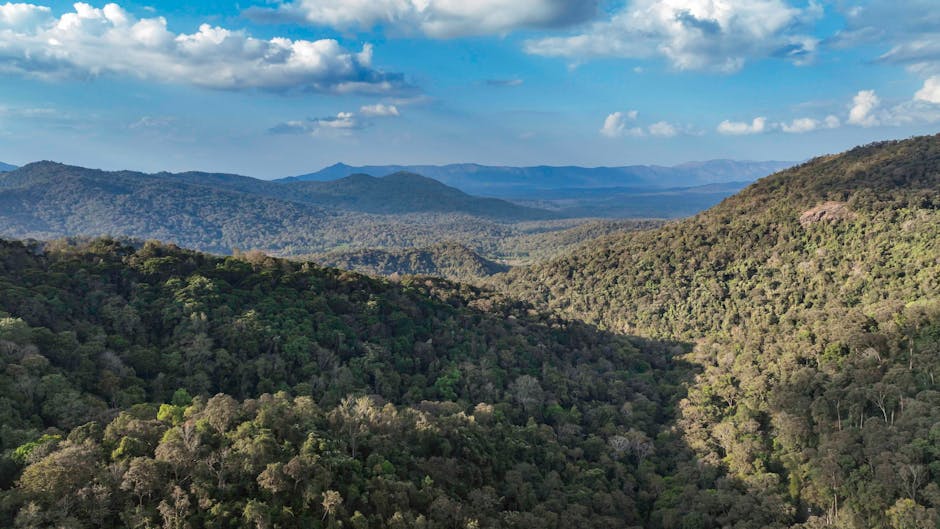
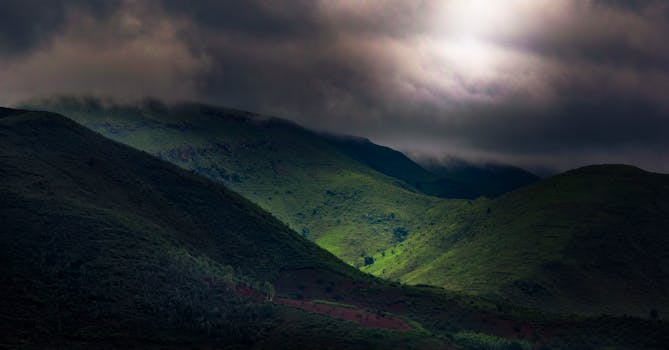
As I trekked along a narrow, moss-covered trail in the Great Himalayan National Park, I stumbled upon a hidden meadow surrounded by towering deodar trees, with the distant roar of a waterfall echoing through the valley. It was a moment of pure solitude, far from the usual tourist clamor. This wasn’t the main park area, but one of its lesser-known side trails, a secret whispered only among seasoned explorers. These trails, tucked away in Himachal Pradesh’s Kullu district, remain underrated despite their breathtaking beauty and raw wilderness. They offer a chance to witness the Himalayas in their purest form—untouched, wild, and deeply humbling. What makes them special is the blend of challenging treks, vibrant biodiversity, and glimpses into the lives of local Gaddi shepherds. In this guide, you’ll discover why these side trails deserve a spot on your travel list, along with the best ways to explore, stay, and soak in their magic.
Why Visit Great Himalayan National Park Side Trails?
- Untouched Wilderness — These trails showcase pristine forests and alpine meadows rarely visited by mainstream tourists.
- Biodiversity Hotspot — Spot rare Himalayan wildlife like the snow leopard, Himalayan tahr, and over 200 bird species.
- Cultural Immersion — Interact with Gaddi shepherds and learn about their nomadic lifestyle unique to this region.
- Offbeat Adventure — Escape the over-touristed spots for challenging treks that test your endurance and reward with solitude.
- Stunning Vistas — Witness panoramic views of snow-capped peaks like Pin Parvati and Kinnaur ranges from hidden vantage points.
- Sustainable Travel — Support local communities with minimal environmental impact in this UNESCO World Heritage site.
- Spiritual Calm — The quiet trails offer a meditative escape, perfect for reconnecting with nature’s raw essence.
Top Things to Do & See
Rakundi Top Trail
A moderate trek leading to a ridge with 360-degree views of the Parvati Valley. Insider tip: Start early to catch the sunrise painting the peaks gold—locals swear it’s a spiritual experience.
Sainj Valley Loop
A serene trail through dense forests and quaint villages along the Sainj River. Insider tip: Stop by Shakti village for homemade rhododendron juice, a local delicacy rarely offered to outsiders.
Tirthan River Walk
A gentle path following the crystal-clear Tirthan River, ideal for birdwatching and picnics. Insider tip: Ask locals for the hidden fishing spot near Gushaini—perfect for a quiet afternoon.
Rolla Village Trail
A short hike to an authentic Himalayan hamlet surrounded by apple orchards. Insider tip: Visit during harvest season to help locals pick apples and taste fresh cider straight from the source.
Shilt Thatch Meadow
A high-altitude meadow offering sweeping views after a steep climb. Insider tip: Camp overnight under the stars—locals know the best spots to avoid sudden weather changes.
Jiwa Nal Waterfall
A hidden cascade nestled deep within the forest, accessible via a rugged trail. Insider tip: Carry a light raincoat; the mist from the falls can drench you even on sunny days.
How to Reach Great Himalayan National Park Side Trails
The Great Himalayan National Park Side Trails are located in the Kullu district of Himachal Pradesh, with the nearest major access points being Kullu and Manali. The nearest airport is Bhuntar Airport, about 50 kilometers from the park’s entry point at Gushaini, with flights connecting to Delhi and Chandigarh. From the airport, hire a taxi for around Rs 1,500–2,000, which takes about 2 hours. The nearest railway station is Joginder Nagar, approximately 150 kilometers away, though it’s not well-connected; a better option is to reach Chandigarh (300 kilometers) by train and then take a bus or taxi. By road, Gushaini, the base for most side trails, is 500 kilometers from Delhi via NH44, a scenic 12–14 hour drive. State-run buses from Delhi to Kullu cost around Rs 800–1,200 per person, followed by a local taxi from Kullu to Gushaini for Rs 1,000. If driving, the route via Mandi offers stunning views but requires caution due to narrow mountain roads.
Best Time to Visit
The ideal time to explore the Great Himalayan National Park Side Trails is during the spring (March to May) and autumn (September to November), when the weather is pleasant with temperatures ranging from 10°C to 25°C. These shoulder seasons offer clear skies, blooming wildflowers in spring, and vibrant foliage in autumn, making treks visually spectacular. Summer (June to August) brings moderate temperatures of 15°C to 30°C but also heavy monsoon rains, leading to slippery trails and occasional landslides—avoid unless you’re an experienced trekker. Winter (December to February) sees temperatures dropping to -5°C to 10°C, with heavy snowfall blocking higher trails; it’s best for low-altitude walks or snow trekking with proper gear. Always check local weather updates before planning, as Himalayan weather can be unpredictable.
Where to Stay
Accommodation near the Great Himalayan National Park Side Trails caters to varied budgets, with most options clustered around Gushaini and Tirthan Valley. For budget travelers, homestays in Gushaini offer cozy rooms with basic amenities for Rs 800–1,500 per night, often including home-cooked meals. Try places near the Tirthan River for a rustic charm. Mid-range options include guesthouses and small hotels in Banjar and Gushaini, priced between Rs 2,000–3,500 per night, providing comfortable stays with hot water and valley views. For a boutique experience, eco-lodges and riverside retreats in Tirthan Valley, such as those near Nagini, offer a blend of luxury and nature for Rs 4,000–6,000 per night, complete with guided treks and organic meals. Booking in advance is recommended during peak seasons to secure the best spots.
Trip Cost Breakdown (3-Day Trip for 2 People)
| Item | Cost |
|---|---|
| Accommodation (mid-range) | Rs 9,000 |
| Food (local eateries & homestays) | Rs 3,000 |
| Transport (taxi from Bhuntar & local) | Rs 4,000 |
| Activities (trekking guides & entry fees) | Rs 2,000 |
| Total | Rs 18,000 |
Suggested Itineraries
- 2-Day Quick Escape
- Day 1: Arrive at Gushaini by noon, check into a homestay, and take an afternoon walk along the Tirthan River Walk (2 hours). Evening by the riverside with a bonfire.
- Day 2: Start early for the Rakundi Top Trail (5–6 hours round trip), enjoy panoramic views, and return to Gushaini by evening for departure.
- 3-Day Deep Dive
- Day 1: Reach Gushaini by midday, settle into accommodation, and explore the Rolla Village Trail (3 hours) in the afternoon. End with a local dinner.
- Day 2: Embark on the Sainj Valley Loop (6–7 hours), visiting Shakti village for cultural insights. Return to Gushaini for a restful night.
- Day 3: Trek to Jiwa Nal Waterfall (4–5 hours round trip) in the morning, enjoy a packed lunch by the falls, and depart by late afternoon.
Ideal For
- Nature enthusiasts craving untouched landscapes and biodiversity.
- Adventure seekers looking for challenging offbeat treks.
- Solo travelers seeking solitude in serene environments.
- Couples wanting a romantic, peaceful getaway.
- Photographers aiming to capture raw Himalayan beauty.
- Cultural explorers interested in local shepherd lifestyles.
Safety, Permits & Local Etiquette
- Inner Line Permit: No special permits are required for Indian nationals to access the side trails, but entry fees apply for the national park (Rs 50–100 per person). Foreign nationals may need to register at the park office in Shamshi.
- Mobile Connectivity: Network coverage is spotty; BSNL works intermittently in Gushaini, but higher trails have no signal. Carry a satellite phone for emergencies if trekking deep.
- Solo Female Traveller: Generally safe with friendly locals, but stick to guided treks or travel in small groups. Avoid isolated trails at night and inform your homestay of your plans.
- Do's & Don'ts: Respect local customs by dressing modestly in villages. Do not litter—carry trash back. Avoid disturbing wildlife and stick to marked trails. Seek permission before photographing locals.
Hidden Tips Only Repeat Visitors Know
- Pack light but include a sturdy pair of trekking poles—some side trails have unexpected steep drops.
- Hire a local guide from Gushaini for Rs 800–1,200 per day; they know shortcuts and hidden viewpoints.
- Carry cash as ATMs are scarce; small shops in villages rarely accept digital payments.
- Taste ‘siddu’ (a local steamed bread) at roadside stalls near Banjar for an authentic culinary experience.
- Visit during late spring for a chance to see rare Himalayan blue poppies blooming on higher trails.
- Always carry a reusable water bottle—mountain streams are safe to refill after basic filtration.
- Check with locals for temporary shepherd camps on trails; they often share tea and stories.
- Layer your clothing even in summer; temperatures can drop sharply in shaded forest areas.
Frequently Asked Questions
Q: Is Great Himalayan National Park Side Trails worth visiting?
Absolutely, if you crave solitude and raw Himalayan beauty. These trails offer a rare escape from crowded tourist spots, blending adventure with cultural immersion. The biodiversity and stunning vistas make it a paradise for nature lovers. It’s a must-visit for anyone seeking an authentic offbeat experience.
Q: How many days are enough for Great Himalayan National Park Side Trails?
A 2–3 day trip is ideal to cover key trails and soak in the serenity. Two days work for a quick escape with one major trek, while three days allow deeper exploration of villages and waterfalls. Extend to 4–5 days if you’re an avid trekker aiming for remote areas.
Q: Is Great Himalayan National Park Side Trails safe for solo female travellers?
Yes, it’s relatively safe with welcoming locals, but caution is advised. Stick to guided treks or travel with a group, especially on isolated trails. Inform your accommodation of your plans and avoid venturing out alone after dark. Carry a whistle or personal alarm for added security.
Q: Which is better — Great Himalayan National Park Side Trails or Manali?
It depends on your vibe—Manali offers vibrant nightlife and easy access, while the side trails promise solitude and untouched nature. Choose the trails if you prefer quiet treks over commercialized spots. Manali suits casual tourists; the trails are for true adventurers. Both have unique charms, so pick based on your travel style.
Q: Do I need permits for Great Himalayan National Park Side Trails?
Indian nationals don’t need special permits, just a nominal park entry fee at the gate. Foreign visitors may need to register at the park office in Shamshi with identification. Always carry ID for verification. Check with local authorities for any updated regulations before planning.
Q: Is Great Himalayan National Park Side Trails expensive?
No, it’s quite budget-friendly compared to popular Himalayan destinations. A 3-day trip for two can cost around Rs 18,000, covering stay, food, and transport. Costs vary based on accommodation choice, but local homestays keep expenses low. It’s a high-value destination for the experience offered.