GHNP Rare Flora Spots: India’s Hidden Botanical Gem Travel Guide
The right stay. At the right price. Every time.
Find your perfect Himachal Pradesh stay on Unpaqd — with our AI search feature
Curated 4.5+ rated homestays, price-match guarantee, and zero commissions-so you never overpay or settle. Just describe your ideal stay, and we'll do the rest.
Explore stays on UnpaqdSummary
- GHNP: A secret paradise for rare flora enthusiasts.
- Offbeat trails away from Himachal’s crowded tourist spots.
- Serene landscapes with unparalleled biodiversity to explore.
- Budget-friendly adventure for nature lovers seeking solitude.
- Hidden gem tucked in the heart of the Himalayas.
- Perfect for peaceful getaways and unique photo opportunities.
GHNP Rare Flora Spots
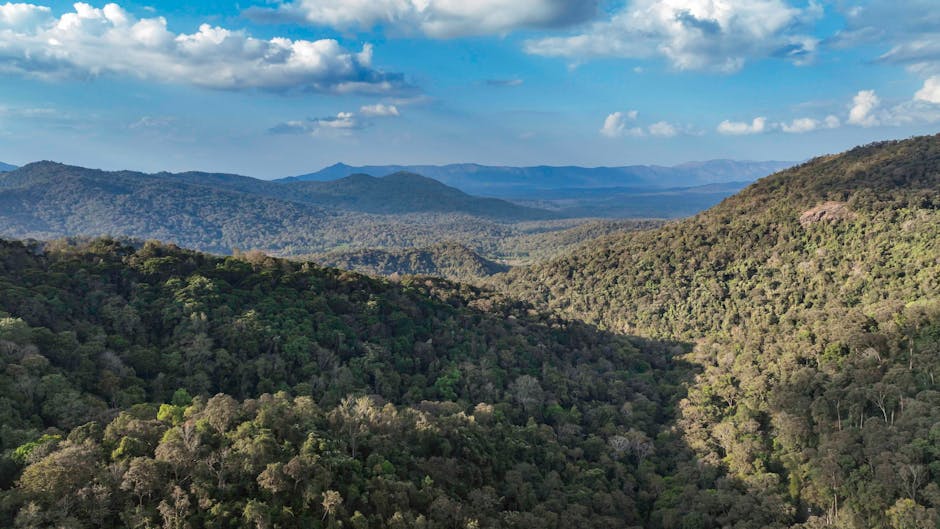
I still remember that crisp morning in the Great Himalayan National Park (GHNP), the air thick with the scent of pine and damp earth after a light drizzle. It was barely 6 AM, and I was trudging along a narrow trail near Tirthan Valley, my boots crunching on fallen leaves, when a local shepherd pointed out a shy cluster of Blue Poppies peeking from behind a boulder. My heart skipped a beat—I’d never seen anything so delicate yet so wild. GHNP, located in Himachal Pradesh’s Kullu district, remains one of India’s most underrated treasures. While places like Manali and Shimla overflow with tourists, this UNESCO World Heritage Site quietly shelters some of the rarest flora in the world, from Himalayan Bellflowers to medicinal herbs used by locals for centuries. What makes it special isn’t just the plants—it’s the untouched stillness, the sense of discovery with every step. Stick with me, and I’ll guide you through the best spots to witness this floral wonderland.
Why Visit GHNP Rare Flora Spots?
- Untouched Wilderness — GHNP spans over 1,171 square kilometers, with vast stretches of alpine meadows untouched by commercialization.
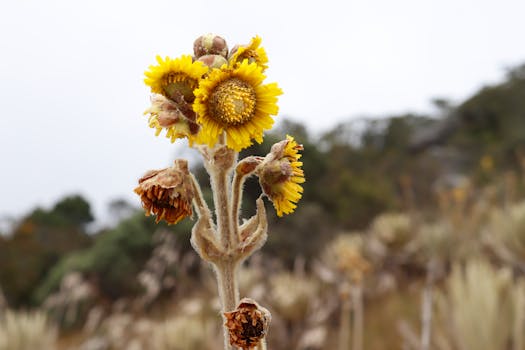
- Rare Flora Haven — Spot unique species like the Blue Poppy and Brahma Kamal, often called the “lotus of the gods.”
- Cultural Immersion — Interact with villagers in nearby Banjar Valley who share folklore tied to these sacred plants.
- Adventure Trails — Trek through diverse terrains, from dense deodar forests to high-altitude grasslands above 3,000 meters.
- Photographer’s Dream — Capture vivid blooms against snow-capped peaks, especially during the post-monsoon bloom.
- Sustainable Tourism — Your visit supports conservation efforts for endangered species and local livelihoods.
- Tranquil Escape — Experience silence so profound you’ll hear nothing but the rustle of leaves and distant streams.
Top Things to Do & See
Blue Poppy Trail near Tirthan Valley
A mesmerizing path where vibrant Blue Poppies bloom in hidden patches—truly a sight for sore eyes. Insider tip: Ask locals in Gushaini village for the exact trailhead near the river bend; it’s unmarked.
Sainj Valley Herb Gardens
Wander through natural herb gardens where medicinal plants like Atish and Patish grow wild. Insider tip: Visit in the early morning to see villagers collecting herbs near Shangarh village.
Raktisar Glacier Meadow
A high-altitude meadow bursting with Brahma Kamal during late summer, framed by glacial peaks. Insider tip: Carry a local guide from Rolla village—navigation gets tricky above 3,500 meters.
Parvati Valley Orchid Spots
Discover rare Himalayan orchids hiding under shaded canopies along lesser-known trails. Insider tip: Look for small wooden signs near Pulga village; locals mark spots seasonally.
Tirthan Riverbank Ferns
Stroll along the river to find ancient ferns and mosses clinging to wet rocks. Insider tip: The stretch near Nagini village has the densest growth, especially after rains.
Shilt Thatch Wildflower Fields
A sprawling field dotted with colorful wildflowers, offering panoramic views of the valley below. Insider tip: Camp overnight near the ridge for a surreal sunrise amidst blooms.
How to Reach GHNP Rare Flora Spots
Getting to the Great Himalayan National Park isn’t a straightforward affair, but that’s part of its charm. The nearest major town is Kullu, about 60 km away. If you’re flying in, Bhuntar Airport (Kullu-Manali Airport) is the closest, roughly 50 km from the park’s entry point at Gushaini. Flights from Delhi to Bhuntar cost around Rs 5,000–7,000 one way, depending on the season. From Bhuntar, hire a taxi for Rs 1,500–2,000 to reach Gushaini, the gateway to GHNP. If you’re taking the train, Joginder Nagar Railway Station (120 km away) is the nearest, but most prefer reaching Chandigarh (300 km) and driving from there.
By road, the best route is via NH-3 from Chandigarh to Kullu, passing through Bilaspur and Mandi. From Kullu, take the state highway towards Banjar Valley, following signboards to Gushaini. The drive from Chandigarh takes about 8–9 hours, with stunning views of the Beas River after Mandi. Buses ply regularly from Delhi’s ISBT Kashmere Gate to Kullu (Rs 800–1,200 for a Volvo), and from Kullu, local shared jeeps to Gushaini cost Rs 100–150 per person. Inside the park, walking or hiring local guides (Rs 500–800 per day) is the only way to explore the flora trails. Tip: Fuel up at Aut, 30 km before Gushaini, as there are no petrol pumps closer to the park. Carry cash—ATMs are scarce beyond Banjar.
Best Time to Visit
The ideal window to explore GHNP’s rare flora is between May and September. During late spring (May–June), temperatures hover between 10°C and 20°C, and the lower trails burst with orchids and ferns. July to September, the post-monsoon period, is when high-altitude flowers like Brahma Kamal and Blue Poppy bloom, though expect occasional showers and temperatures dipping to 5°C at higher elevations. Shoulder months like April and October are quieter, with pleasant weather (8°C–18°C) and fewer trekkers, though some trails may be slippery. Winter (November–March) brings heavy snowfall, closing off most high-altitude spots, with temperatures dropping below freezing. Monsoon (July–August) can be tricky—landslides are common, but the lush greenery and misty landscapes are unmatched if you’re prepared for wet conditions.
Where to Stay
Accommodation around GHNP caters to different budgets, mostly clustered in Gushaini, Banjar, and Tirthan Valley. For budget travelers, homestays in Gushaini like Himalayan Homestay offer cozy rooms for Rs 800–1,200 per night, often with home-cooked meals included. Mid-range options include Tirthan Valley Retreat near Nagini, with comfortable cottages priced at Rs 2,500–3,500 per night, complete with river views. If you’re looking for something more unique, check out boutique stays like Raju’s Cottage in Banjar Valley, where wooden cabins go for Rs 4,000–5,000 per night, blending rustic charm with modern amenities. Camping is also popular—several operators in Gushaini arrange tent stays near Rolla for Rs 1,000–1,500 per person, including basic meals. Book in advance during peak months, as options fill up quickly. Most places lack Wi-Fi, so plan accordingly.
Trip Cost Breakdown (3-Day Trip for 2 People)
| Item | Cost |
|---|---|
| Accommodation (mid-range, 3 nights) | Rs 9,000 |
| Food (local meals and snacks) | Rs 3,000 |
| Transport (taxi from Bhuntar + local jeeps) | Rs 4,000 |
| Activities (guide fees + entry permits) | Rs 2,000 |
| Total | Rs 18,000 |
Suggested Itineraries
- 2-Day Quick Escape
- Day 1: Arrive in Gushaini by noon, check into a homestay, and explore the Blue Poppy Trail near Tirthan River (2–3 hours, start at 3 PM). Evening by the riverbank.
- Day 2: Early morning trek to Shilt Thatch Wildflower Fields (5–6 hours, start at 6 AM). Return by afternoon and depart by 4 PM.
- 3-Day Deep Dive
- Day 1: Reach Gushaini by midday, settle into accommodation, and take a short evening walk along Tirthan Riverbank Ferns (1–2 hours, start at 5 PM).
- Day 2: Full-day trek to Raktisar Glacier Meadow for Brahma Kamal sightings (8–9 hours, start at 5 AM). Return by evening for a village dinner.
- Day 3: Morning visit to Sainj Valley Herb Gardens (3–4 hours, start at 7 AM). Explore local markets in Banjar before departing by 2 PM.
Ideal For
- Nature enthusiasts eager to discover rare Himalayan flora in pristine settings.
- Trekkers looking for moderate to challenging trails with rewarding scenery.
- Photographers seeking unique landscapes and vibrant wildflower shots.
- Solo travelers or small groups craving solitude over crowded tourist hubs.
- Cultural explorers interested in local herbal traditions and village life.
Safety, Permits & Local Etiquette
- Inner Line Permit: Not required for Indian nationals, but foreigners need to register at the park office in Shamshi (near Kullu) with valid ID; fees are Rs 150 per person.
- Mobile Connectivity: Network is patchy—BSNL works sporadically in Gushaini, but higher trails have no signal. Carry a satellite phone for emergencies.
- Solo Female Traveller: Generally safe with friendly locals, but stick to guided treks and avoid isolated trails after dusk. Inform your homestay of your plans.
- Do's & Don'ts: Respect local customs—ask permission before photographing villagers. Don’t pluck flowers or disturb wildlife; stick to marked paths to avoid getting lost.
Hidden Tips Only Repeat Visitors Know
- Carry lightweight rain gear even in summer—sudden showers are common above 2,000 meters.
- Buy local honey from stalls near Banjar market; it’s made from wildflowers and costs just Rs 200 per jar.
- Chat with shepherds near Rolla for uncharted flora spots—they know hidden meadows.
- Pack high-energy snacks like roasted chana from Kullu; food options dwindle on long treks.
- Wear sturdy gumboots—trails get muddy, and leeches are active post-rain near Tirthan.
- Visit the tiny dhaba near Nagini for the best siddu (local bread) at Rs 50 a plate.
- Negotiate guide fees upfront in Gushaini; some overcharge if you seem unsure.
- Carry a small notebook to sketch or note down rare plants—locals love sharing names.
Frequently Asked Questions
Q: Is GHNP Rare Flora Spots worth visiting?
Absolutely, if you’re into nature and crave something beyond typical tourist traps. GHNP offers a rare chance to see unique Himalayan flowers in a serene, unspoiled setting. It’s a bit of a journey, but the tranquility and biodiversity make every step worthwhile.
Q: How many days are enough for GHNP Rare Flora Spots?
A 2-day trip works for a quick taste of the main trails like Blue Poppy near Tirthan. However, 3–4 days allow deeper exploration of high-altitude meadows and local villages. It depends on your trekking pace and interest in flora.
Q: Is GHNP Rare Flora Spots safe for solo female travellers?
Yes, it’s relatively safe with welcoming locals, especially in villages like Gushaini. Stick to guided treks, avoid venturing alone after dark, and share your plans with your stay host. Basic precautions go a long way here.
Q: Which is better — GHNP Rare Flora Spots or Manali?
It’s apples and oranges—Manali is commercialized with easy access and nightlife, while GHNP is raw, quiet, and flora-focused. If you want solitude and nature over crowded markets, GHNP wins hands down. Manali suits those seeking convenience and variety.
Q: Do I need permits for GHNP Rare Flora Spots?
Indian nationals don’t need permits, just a nominal park entry fee of Rs 50 per person at Gushaini. Foreigners must register at the Shamshi office near Kullu with ID proof for a small fee. Always carry ID for verification at checkposts.
Q: Is GHNP Rare Flora Spots expensive?
Not at all—GHNP is quite affordable compared to other Himalayan destinations. A 3-day trip for two can cost around Rs 18,000, including stay, food, and transport. Budget options like homestays and local food keep expenses low.