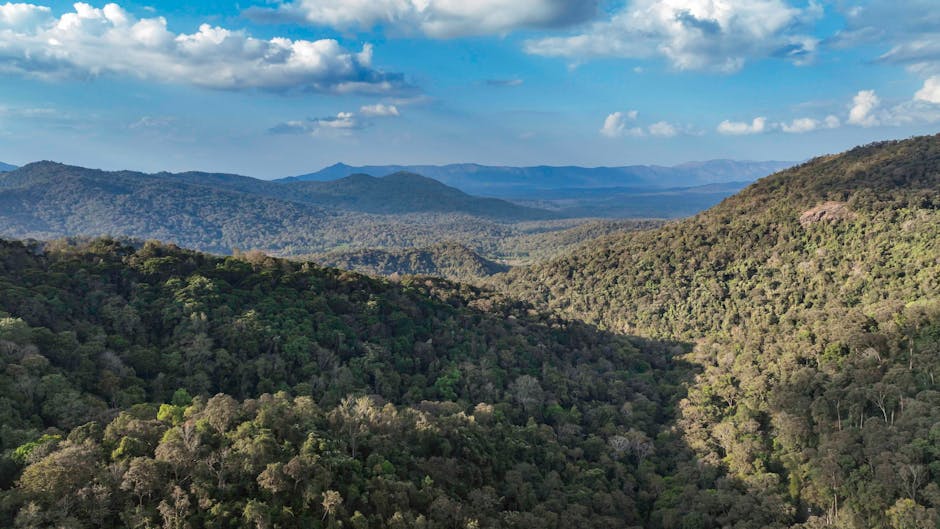
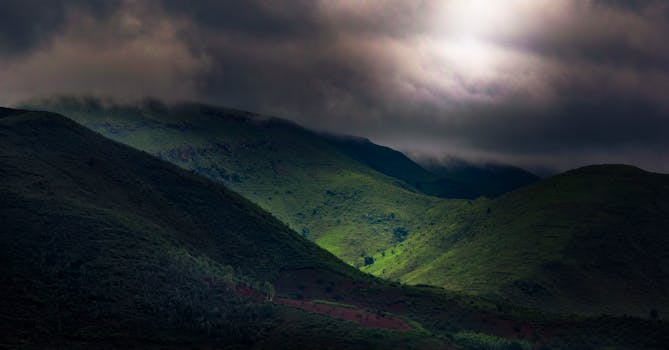
Dzukou Valley
The right stay. At the right price. Every time.
Find your perfect Uttarakhand stay on Unpaqd — with our AI search feature
Curated 4.5+ rated homestays, price-match guarantee, and zero commissions-so you never overpay or settle. Just describe your ideal stay, and we'll do the rest.
Explore stays on UnpaqdSummary
- Dzukou Valley: Northeast India's untouched hidden gem.
- A peaceful escape from crowded tourist traps.
- Stunning landscapes with endless rolling hills.
- Perfect for trekkers and nature lovers alike.
- Offbeat destination offering incredible value for money.
- A serene retreat with minimal commercialization.
Dzukou Valley
The first time I set foot in Dzukou Valley, I felt like I had stumbled upon a secret the world hadn’t yet discovered. Nestled on the border of Nagaland and Manipur in Northeast India, this high-altitude valley at over 2,400 meters was a surreal painting come to life—rolling emerald hills, vibrant wildflowers, and a stillness that seemed to hush even my thoughts. I remember standing at the edge of the valley after a grueling trek, my breath stolen not just by the climb but by the sheer vastness of untouched beauty before me. It’s a place where time slows, and nature reigns supreme. Yet, despite its jaw-dropping allure, Dzukou remains largely underrated, overshadowed by more commercialized destinations. Its isolation is its charm, offering solitude and raw landscapes that feel like a privilege to witness.
What makes Dzukou Valley special is its unspoiled serenity—a rare find in today’s over-touristed world. It’s not just a destination; it’s a journey into the heart of the Northeast, where every step reveals a new shade of green or a hidden stream. In this guide, you’ll discover why Dzukou is a must-visit, the best things to do, how to reach this remote paradise, where to stay, and insider tips to make your trip unforgettable.
Why Visit Dzukou Valley?
- Untouched Beauty — Often called the "Valley of Flowers of the East," Dzukou bursts into a carpet of lilies during the monsoon, a sight rivaling any Himalayan meadow.
- Trekking Paradise — The trek to the valley, though challenging, rewards you with panoramic views and a sense of raw adventure few places can match.
- Cultural Insight — Located near Naga tribal lands, it offers a glimpse into the rich heritage and warm hospitality of local communities.
- Solitude Haven — Unlike crowded hill stations, Dzukou’s remote location ensures peace, with only the sound of wind and birds as company.
- Photographer’s Dream — From misty mornings to golden sunsets, every frame here looks like a postcard waiting to be captured.
- Eco-Friendly Escape — With minimal infrastructure, Dzukou encourages sustainable travel, letting you connect with nature responsibly.
- Unique Terrain — Its undulating hills and dwarf bamboo groves create a surreal, otherworldly landscape unlike anywhere else in India.
Top Things to Do & See
Dzukou Valley Trek
Embark on the iconic trek through steep trails and rhododendron forests to reach the valley’s breathtaking expanse. Insider tip: Start early from Viswema village to avoid midday heat and catch the sunrise over the hills.
Lily Fields in Bloom
Witness the valley transform into a floral wonderland during the monsoon months with vibrant Dzukou lilies. Insider tip: Visit just after the rains for clearer skies and the freshest blooms.
Camping Under the Stars
Set up a tent in the valley for an unforgettable night surrounded by nature’s silence. Insider tip: Carry a sturdy tent and warm sleeping bags as nights get chilly even in summer.
Photography at Sunset Point
Capture the valley bathed in golden hues as the sun dips behind the hills. Insider tip: Head to the higher ridges for an unobstructed view that locals often guide you to.
Explore Hidden Streams
Discover small, crystal-clear streams weaving through the valley, perfect for a quiet picnic. Insider tip: Ask locals about the lesser-known water spots near the base camp for solitude.
Birdwatching in the Wilderness
Spot rare Himalayan birds amidst the quiet of the valley’s untouched ecosystem. Insider tip: Carry binoculars and visit in the early morning for the best sightings.
How to Reach Dzukou Valley
Reaching Dzukou Valley requires a bit of effort, but the journey is part of the adventure. The nearest major airport is Dimapur Airport in Nagaland, about 75 kilometers from Kohima, the closest city to the valley. From Dimapur, you can hire a taxi or take a shared cab to Kohima, which takes around 2.5 to 3 hours and costs approximately Rs 2,000 to Rs 3,000 for a private cab. The nearest railway station is also in Dimapur, well-connected to Guwahati and other Northeast hubs.
From Kohima, Dzukou Valley is accessible via two main trekking routes: Viswema and Zakhama. Viswema, about 25 kilometers from Kohima, is the more popular and slightly easier route. A taxi from Kohima to Viswema costs around Rs 1,000 to Rs 1,500 and takes about an hour. From Viswema, the trek to the valley is roughly 5 to 6 hours. Alternatively, Zakhama, 20 kilometers from Kohima, offers a shorter but steeper trek of about 3 to 4 hours. Taxis to Zakhama cost around Rs 800 to Rs 1,200. Both routes require moderate fitness and proper gear, as the trails can be slippery, especially during rains.
Best Time to Visit
Dzukou Valley is a year-round destination, but the experience varies with the seasons. The peak season is from June to September, during and just after the monsoon, when the valley is carpeted with vibrant Dzukou lilies and wildflowers. The weather is cool, with temperatures ranging from 10°C to 20°C, though trails can be muddy and slippery. The shoulder seasons, October to November and March to May, offer clearer skies and comfortable trekking conditions, with temperatures between 8°C to 18°C. These months are ideal for photography and camping, as the visibility is excellent, and the hills are lush green.
Winter, from December to February, brings a different charm with occasional snowfall and frosty landscapes, but temperatures can drop to 0°C or below, making trekking tougher. Monsoon months (June to August) see heavy rainfall, which enhances the valley’s beauty but increases the risk of landslides and leeches on the trails. For a balanced experience, aim for late monsoon or early shoulder season for both flowers and safer trekking conditions.
Where to Stay
Accommodation options near Dzukou Valley are limited due to its remote location, but there are choices for different budgets, mostly in Kohima or Viswema, as staying overnight in the valley often means camping. Here are some picks:
- Budget: Homestays in Viswema village offer basic but cozy stays with warm local hospitality. Expect to pay around Rs 800 to Rs 1,500 per night for a shared room with meals.
- Mid-Range: In Kohima, hotels like Hotel Vivor or similar provide comfortable rooms with modern amenities. Rates range from Rs 2,000 to Rs 3,500 per night for a double room.
- Boutique: For a more upscale experience, check out properties like The Heritage in Kohima, offering a blend of Naga culture and luxury. Prices start at Rs 4,000 to Rs 6,000 per night.
- Camping in the Valley: Basic rest houses and camping sites are available in Dzukou Valley itself, managed by local authorities. Camping costs around Rs 500 to Rs 1,000 per person, including tent rental if needed.
Booking in advance is recommended, especially during peak flower-blooming months, as options fill up quickly.
Trip Cost Breakdown (3-Day Trip for 2 People)
| Item | Cost |
|---|---|
| Accommodation (2 nights in Kohima/Viswema) | Rs 5,000 |
| Food (meals for 3 days) | Rs 3,000 |
| Transport (taxi from Dimapur to Kohima/Viswema & back) | Rs 5,000 |
| Activities (trekking guide & camping fees) | Rs 2,000 |
| Total | Rs 15,000 |
Suggested Itineraries
- 2-Day Quick Escape
- Day 1: Arrive in Kohima by morning, travel to Viswema by 10 AM (1 hour), start trek to Dzukou Valley by 11 AM, reach by 4 PM, set up camp, and enjoy sunset views. Overnight camping.
-
Day 2: Wake up for sunrise at 5 AM, explore lily fields and streams till 9 AM, trek back to Viswema by 2 PM, return to Kohima by 3 PM, and depart.
-
3-Day Deep Dive
- Day 1: Reach Kohima by morning, explore local markets and Naga culture till noon, travel to Viswema by 2 PM, start a short hike to acclimatize, and stay overnight in a homestay.
- Day 2: Begin trek to Dzukou Valley at 7 AM, reach by 1 PM, explore the valley and hidden streams till evening, camp overnight under the stars.
- Day 3: Catch sunrise at 5 AM, spend morning birdwatching and photographing, trek back to Viswema by 1 PM, return to Kohima by 2 PM, and depart.
Ideal For
- Nature enthusiasts seeking unspoiled landscapes and serene environments.
- Adventure seekers and trekkers looking for a challenging yet rewarding hike.
- Photographers eager to capture surreal vistas and seasonal blooms.
- Solo travelers or small groups craving solitude over crowded destinations.
- Cultural explorers interested in Naga traditions and local village life.
Safety, Permits & Local Etiquette
- Inner Line Permit: Required for non-local Indian citizens to enter Nagaland. It can be obtained online or at Dimapur/Kohima for a small fee (around Rs 200 per person) with a valid ID.
- Mobile Connectivity: Network coverage is spotty in the valley itself; major operators work in Kohima and Viswema, but don’t rely on connectivity during the trek.
- Solo Female Traveller: Generally safe with friendly locals, but stick to guided treks or travel in groups. Avoid isolated areas after dark and inform someone of your plans.
- Do's & Don'ts: Respect local customs by dressing modestly in villages, avoid littering in the valley, seek permission before photographing people, and stick to designated trails to preserve the ecosystem.
Hidden Tips Only Repeat Visitors Know
- Hire a local guide from Viswema for the trek; they know shortcuts and safer paths during unpredictable weather.
- Pack light but include rain gear and extra socks—trails get muddy, and shoes rarely dry overnight.
- Carry cash as ATMs are scarce in Kohima, and digital payments aren’t accepted in remote areas.
- Buy snacks and water in Kohima or Viswema; options in the valley are limited and overpriced.
- Visit mid-week to avoid small crowds of weekend trekkers for a more solitary experience.
- Ask locals about temporary bamboo shelters near the valley for a unique overnight stay.
- Wear sturdy trekking shoes with good grip; regular sneakers won’t hold up on rocky slopes.
- If camping, position your tent on higher ground to avoid water pooling during sudden rains.
Frequently Asked Questions
Q: Is Dzukou Valley worth visiting?
Absolutely, Dzukou Valley is a hidden treasure for anyone craving raw, untouched nature. Its surreal landscapes, especially during the lily bloom, make it a unique escape. The trek adds an adventurous edge, rewarding you with views few places in India can rival. It’s perfect if you value peace over commercialized spots.
Q: How many days are enough for Dzukou Valley?
A 2-day trip covers the basics, including the trek and overnight camping. However, 3 days allow deeper exploration of the valley, streams, and nearby villages. It also gives buffer time for weather delays. Plan according to your fitness and interest in slow travel.
Q: Is Dzukou Valley safe for solo female travellers?
Yes, it’s relatively safe with welcoming locals, but precautions are key. Travel with a guide or group, inform someone of your itinerary, and avoid trekking alone after dark. Stick to well-known routes like Viswema. Homestays in villages offer a secure base.
Q: Which is better — Dzukou Valley or Gulmarg?
Dzukou Valley offers raw, uncommercialized beauty and solitude, ideal for trekkers and nature purists. Gulmarg, while stunning, is more developed with skiing and tourist amenities but lacks Dzukou’s seclusion. Choose Dzukou for an offbeat adventure, Gulmarg for accessibility and variety. It depends on your travel style.
Q: Do I need permits for Dzukou Valley?
Yes, non-local Indian citizens need an Inner Line Permit to enter Nagaland, where Dzukou is partly located. It’s easily obtainable online or in Dimapur/Kohima with ID proof for a nominal fee. Foreign nationals require a Protected Area Permit. Check updated rules before planning.
Q: Is Dzukou Valley expensive?
No, Dzukou Valley is quite budget-friendly compared to mainstream hill stations. A 3-day trip for two can cost around Rs 15,000, covering stay, food, and transport. Costs rise if you hire guides or porters, but overall, it’s value for money. Plan ahead to avoid last-minute expenses.