Daringbadi
The right stay. At the right price. Every time.
Find your perfect Odisha stay on Unpaqd — with our AI search feature
Curated 4.5+ rated homestays, price-match guarantee, and zero commissions-so you never overpay or settle. Just describe your ideal stay, and we'll do the rest.
Explore stays on UnpaqdSummary
- Daringbadi: Odisha's hidden gem tucked in serene hills.
- Offbeat paradise for nature lovers seeking solitude.
- Known as "Kashmir of Odisha" for its cool climate.
- Budget-friendly destination with untouched beauty.
- Perfect for peaceful getaways far from crowds.
- A treasure trove of tribal culture and landscapes.
Daringbadi
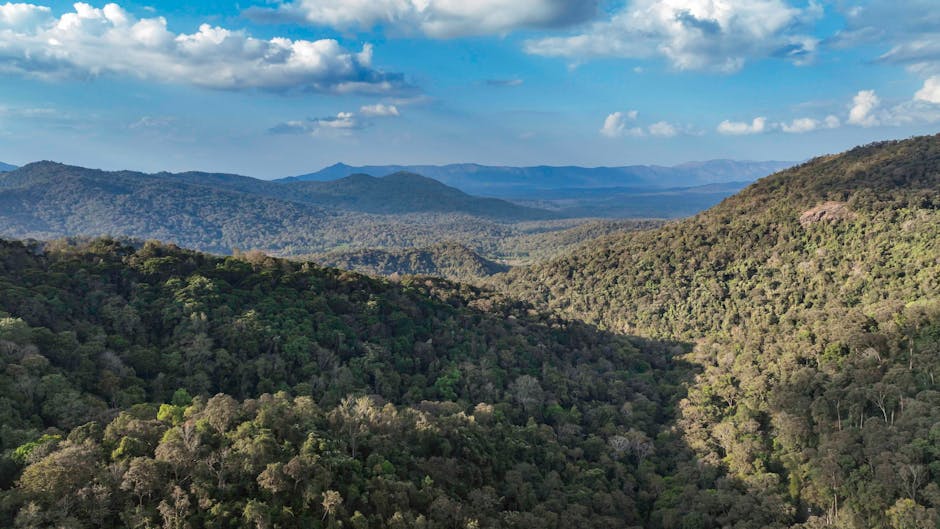
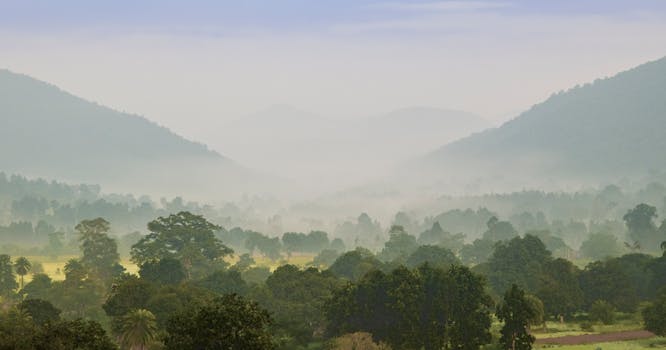
I still remember the first time I stumbled upon Daringbadi, a quaint hill station in Odisha, during a spontaneous road trip through the state's lesser-known corners. The air was crisp, carrying the scent of pine and wildflowers, and the rolling hills seemed to whisper secrets of a land untouched by time. As I sipped coffee at a local shack, watching mist settle over emerald valleys, I realized I had found something rare—a destination that felt like a well-kept secret. Daringbadi, often called the "Kashmir of Odisha," remains underrated despite its breathtaking beauty, cool climate, and rich tribal heritage. It’s a place where you can escape the chaos of popular tourist spots and reconnect with nature. In this guide, you’ll discover why Daringbadi deserves a spot on your travel list, along with the best things to do, how to get there, where to stay, and insider tips to make your trip unforgettable.
Why Visit Daringbadi?
- Cool Climate — Enjoy a refreshing escape with temperatures often dipping below 10°C in winter.
- Untouched Nature — Verdant hills, dense pine forests, and cascading waterfalls await explorers.
- Tribal Culture — Interact with the Kutia Kondh tribe and witness their vibrant traditions.
- Offbeat Charm — Far from commercial tourism, it offers authentic, unspoiled experiences.
- Scenic Beauty — Known for its coffee plantations and panoramic valley views.
- Adventure Potential — Ideal for trekking through hidden trails and misty landscapes.
- Peaceful Retreat — A quiet haven to unwind amidst nature’s embrace.
Top Things to Do & See
Hill View Point
Marvel at the sweeping vistas of endless green hills and misty valleys from this iconic spot. Insider tip: Visit at sunrise for a surreal view as the first light pierces through the fog.
Duluri Waterfall
A serene cascade surrounded by dense forests, perfect for a quiet picnic or a refreshing dip. Insider tip: Carry a local guide to find the less-crowded lower section of the falls.
Midubanda Waterfall
This hidden gem offers a dramatic drop amidst lush greenery, ideal for photography enthusiasts. Insider tip: Wear sturdy shoes; the rocky path down can be slippery after rains.
Coffee Plantations
Stroll through sprawling coffee gardens and learn about organic cultivation from local farmers. Insider tip: Buy freshly roasted coffee beans directly from growers for an authentic souvenir.
Belghar Sanctuary
Spot wildlife like deer, leopards, and rare birds in this biodiversity hotspot near Daringbadi. Insider tip: Early mornings are best for sightings; hire a local guide for safety.
Emu Bird Sanctuary
A unique attraction where you can observe emus up close in a natural setting. Insider tip: Visit during feeding hours to see these fascinating birds in action.
How to Reach Daringbadi
Daringbadi is located in Kandhamal district of Odisha, roughly 250 kilometers from Bhubaneswar, the state capital. The nearest airport is Biju Patnaik International Airport in Bhubaneswar, well-connected to major Indian cities like Delhi, Mumbai, and Kolkata. From the airport, you can hire a cab or take a bus to Daringbadi, which takes about 5–6 hours and costs around Rs 3,000–4,000 for a private taxi. The nearest railway station is Berhampur, about 120 kilometers away, with trains from Bhubaneswar and other key hubs. From Berhampur, a taxi or local bus to Daringbadi costs Rs 1,500–2,000 and takes around 3 hours. By road, Daringbadi is accessible via NH-59; the best route is Bhubaneswar to Phulbani (200 km) and then a 50 km drive to Daringbadi. Buses from Bhubaneswar’s Baramunda terminal are available for Rs 300–500 per person, though shared taxis or private vehicles offer more comfort on the winding hill roads.
Best Time to Visit
The ideal time to visit Daringbadi is during the winter months from November to February when the weather is pleasantly cool, with temperatures ranging between 5°C and 15°C. This is the peak season for enjoying misty mornings, clear skies, and comfortable trekking conditions. The shoulder seasons of October and March are also great, with mild weather (15°C–20°C) and fewer visitors. Summers, from April to June, see temperatures rise to 25°C–30°C, making it less ideal for outdoor activities, though the greenery remains lush. Monsoons, from July to September, bring heavy rainfall, turning the hills vibrant but making roads slippery and prone to landslides—travel during this time only if you’re prepared for challenges.
Where to Stay
Daringbadi offers limited but charming accommodation options catering to various budgets, mostly located in the main town area or near Hill View Point. For budget travelers, guesthouses like Hotel Utopia in the town center provide basic rooms with clean facilities for Rs 800–1,200 per night. Mid-range options include resorts like Nature’s Queen Camp near coffee plantations, offering cozy cottages with modern amenities for Rs 2,000–3,000 per night. For a more boutique experience, check out Deers Eco Home, slightly outside the main area, where you can stay in eco-friendly cabins with stunning valley views for Rs 3,500–5,000 per night. Booking in advance is recommended during peak winter months, as options fill up quickly. Many places also offer home-cooked meals, giving a taste of local flavors.
Trip Cost Breakdown (3-Day Trip for 2 People)
| Item | Cost |
|---|---|
| Accommodation (mid-range) | Rs 7,500 |
| Food (local eateries & meals) | Rs 3,000 |
| Transport (taxi from Bhubaneswar & local) | Rs 5,000 |
| Activities (entry fees & guides) | Rs 1,500 |
| Total | Rs 17,000 |
Suggested Itineraries
- 2-Day Quick Escape
- Day 1: Arrive by noon, check into accommodation, and spend the afternoon at Hill View Point (2–4 PM). Evening stroll through coffee plantations (4:30–6 PM).
- Day 2: Early morning visit to Duluri Waterfall (7–9 AM), followed by Belghar Sanctuary (10 AM–1 PM). Depart by afternoon after lunch.
- 3-Day Deep Dive
- Day 1: Reach Daringbadi by noon, settle in, and explore Hill View Point (3–5 PM). Relax with a local coffee-tasting session in the evening (6–7 PM).
- Day 2: Start with Duluri Waterfall (8–10 AM), then head to Midubanda Waterfall (11 AM–1 PM). Afternoon at coffee plantations (2–4 PM) and Emu Bird Sanctuary (4:30–5:30 PM).
- Day 3: Morning trek at Belghar Sanctuary (7–10 AM), followed by shopping for local handicrafts in town (11 AM–12 PM). Depart after lunch.
Ideal For
- Nature enthusiasts seeking pristine landscapes and cool climates.
- Couples looking for a quiet, romantic getaway.
- Families wanting a safe, offbeat holiday with scenic beauty.
- Adventure seekers interested in trekking and wildlife spotting.
- Culture buffs eager to explore tribal traditions and lifestyles.
Safety, Permits & Local Etiquette
- Inner Line Permit: No permits are required for Indian nationals to visit Daringbadi. Foreign travelers should carry valid visas and passports.
- Mobile Connectivity: Network coverage is spotty, especially in remote areas like waterfalls and sanctuaries. Major operators work in the main town, but carry cash as ATMs may not always function.
- Solo Female Traveller: Daringbadi is relatively safe, but stick to populated areas and avoid venturing alone into isolated trails after dark. Local women are friendly and helpful.
- Do's & Don'ts: Respect tribal customs by asking permission before photographing locals. Avoid littering in natural spots. Dress modestly, especially near villages. Carry mosquito repellent for forested areas.
Hidden Tips Only Repeat Visitors Know
- Visit local weekly markets in nearby villages for handmade tribal crafts at bargain prices.
- Pack warm layers even in non-winter months; evenings get unexpectedly chilly.
- Hire a local driver for day trips—roads can be tricky, and they know shortcuts.
- Try pakhala bhata, a fermented rice dish, at small roadside eateries for an authentic taste.
- Avoid weekends at popular spots like Hill View Point for a quieter experience.
- Carry a portable charger; power cuts are common in remote accommodations.
- Ask locals about hidden waterfalls beyond tourist maps—they’re often more stunning.
- Bargain politely when buying coffee or souvenirs directly from farmers.
Frequently Asked Questions
Q: Is Daringbadi worth visiting?
Absolutely, Daringbadi is a hidden gem for anyone craving nature and solitude. Its cool climate, lush hills, and cultural depth make it a unique escape. Unlike overcrowded hill stations, it offers an authentic experience. Plan a trip if you love offbeat destinations.
Q: How many days are enough for Daringbadi?
A 2-day trip covers the main attractions like waterfalls and viewpoints comfortably. However, 3 days allow a deeper exploration of sanctuaries and tribal villages. It depends on whether you prefer a quick getaway or a relaxed pace.
Q: Is Daringbadi safe for solo female travellers?
Yes, Daringbadi is generally safe for solo female travelers during the day in populated areas. Stick to well-known spots and avoid isolated trails at night. Locals are hospitable, but basic precautions like informing someone of your plans are advised.
Q: Which is better — Daringbadi or Ooty?
Daringbadi offers a raw, untouched charm compared to the commercialized vibe of Ooty. It’s quieter, less crowded, and budget-friendly with a unique tribal culture. Ooty has more amenities and activities, so choose based on whether you want serenity or bustle.
Q: Do I need permits for Daringbadi?
No special permits are needed for Indian nationals to visit Daringbadi. Foreign tourists should ensure they have valid travel documents. Always carry ID proof, as it might be checked at random points. It’s a hassle-free destination in that regard.
Q: Is Daringbadi expensive?
Not at all—Daringbadi is quite budget-friendly compared to mainstream hill stations. Accommodation, food, and local transport are reasonably priced. A 3-day trip for two can cost under Rs 20,000 with mid-range options. It’s great value for the experience offered.