Dalhousie Colonial Trails: Uncover India’s Hidden Gem – Travel Guide
The right stay. At the right price. Every time.
Find your perfect Himachal Pradesh stay on Unpaqd — with our AI search feature
Curated 4.5+ rated homestays, price-match guarantee, and zero commissions-so you never overpay or settle. Just describe your ideal stay, and we'll do the rest.
Explore stays on UnpaqdSummary
- Dalhousie Colonial Trails: A hidden gem in Himachal Pradesh.
- Perfect for offbeat history and nature enthusiasts.
- Quiet, serene trails with colonial-era charm.
- Budget-friendly escape from crowded hill stations.
- Ideal for peaceful walks and heritage exploration.
- Unmatched value for an authentic Himalayan experience.
Dalhousie Colonial Trails
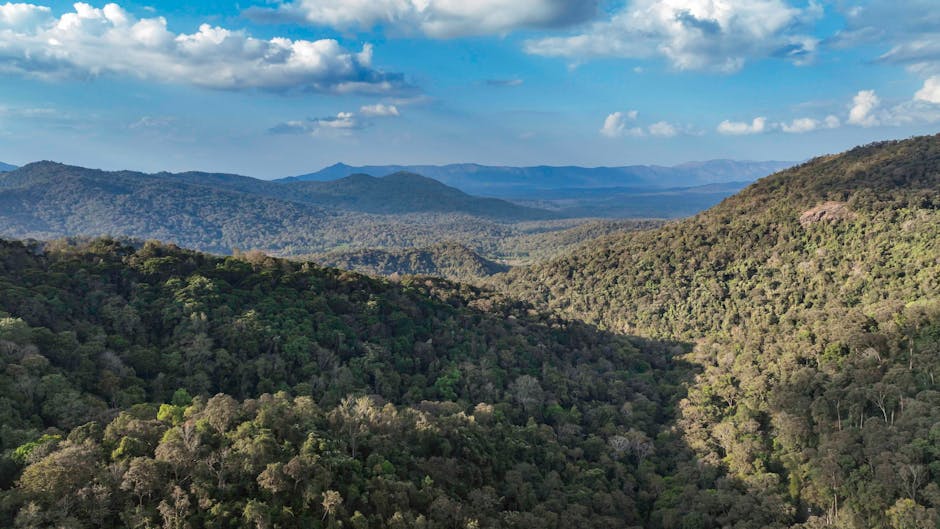
I still remember that crisp morning in Dalhousie when I stumbled upon a narrow, moss-covered path just beyond the main market. It was barely 7 AM, the air was sharp with the scent of pine, and a faint mist hung over the hills. A local chaiwallah near St. John’s Church, with his tiny kettle bubbling over a woodfire, pointed me toward what he called the “old sahib trails.” Intrigued, I followed his directions, and within minutes, I was walking along forgotten colonial pathways, flanked by towering deodars and crumbling bungalows from the British era. It felt like stepping into a sepia-toned postcard—utterly surreal. Dalhousie, often overshadowed by Shimla or Manali, hides these untouched trails that whisper stories of a bygone time. What makes them special? They’re raw, uncommercialized, and offer a rare blend of history with panoramic views of the Dhauladhar range. Stick with me as I unravel the magic of these paths and how to explore them like a local.
Why Visit Dalhousie Colonial Trails?
- Untouched Heritage — Walk along paths built during the British Raj, lined with quaint stone structures and forgotten memorials.
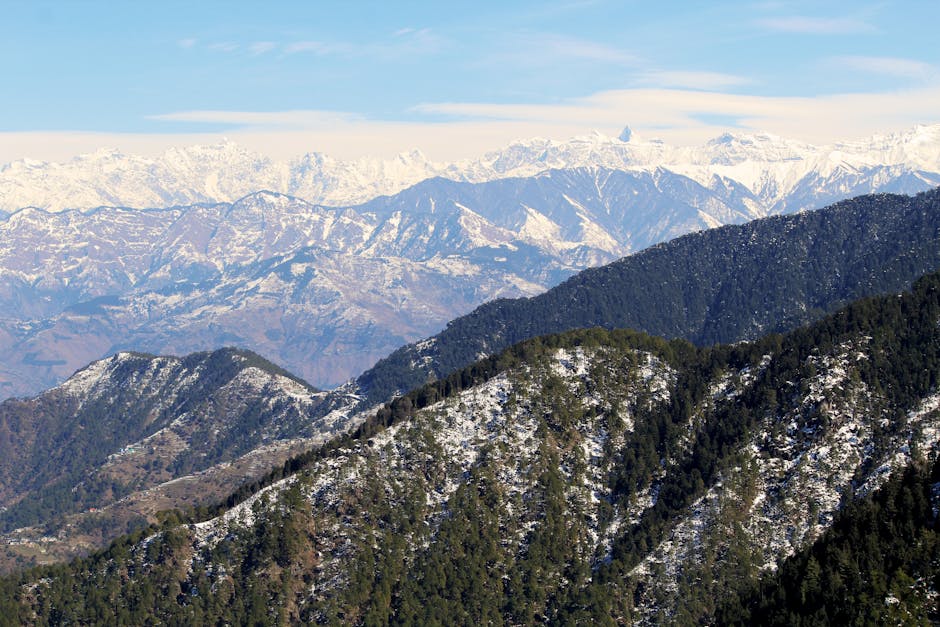
- Scenic Serenity — Enjoy sweeping vistas of the Pir Panjal and Dhauladhar ranges without the tourist crowds.
- Historical Insights — Discover remnants of colonial architecture, like old churches and bungalows, frozen in time.
- Quiet Escapes — Unlike mainstream hill stations, these trails offer solitude amidst dense pine and oak forests.
- Cultural Depth — Interact with locals who share tales of Dalhousie’s past over a cup of steaming pahadi chai.
- Affordable Exploration — Experience a rich journey without the hefty price tag of more popular destinations.
- Nature’s Embrace — Breathe in the purest mountain air while trekking through unspoiled Himalayan landscapes.
Top Things to Do & See
St. John’s Church Trail
A peaceful walk to this 19th-century church reveals stunning valley views. Insider tip: Visit at sunrise for a magical golden glow on the stained-glass windows.
Subhash Baoli Path
This trail leads to a serene spring named after Netaji Subhash Chandra Bose, who once meditated here. Insider tip: Carry a book; the quiet spot by the water is perfect for unwinding.
Bakrota Hills Loop
A slightly challenging trail with jaw-dropping panoramas of snow-capped peaks. Insider tip: Stop by the tiny shack near the viewpoint for hot maggi at just Rs 40.
Kalatop Forest Track
Wander through dense woods to reach Kalatop Wildlife Sanctuary, a haven for birdwatchers. Insider tip: Early mornings yield sightings of Himalayan monals if you’re silent.
Dainkund Peak Trail
Known as the “Singing Hill” for the wind’s melody, this trek offers 360-degree mountain views. Insider tip: Wear sturdy shoes; the rocky patches can be slippery after rain.
Panchpula Waterfall Walk
A short, refreshing trail to a cascading waterfall surrounded by lush greenery. Insider tip: Locals sell fresh honey near the entrance for Rs 200 per jar—don’t miss it.
How to Reach Dalhousie Colonial Trails
Getting to Dalhousie is straightforward, though it requires a bit of planning if you’re aiming for the colonial trails specifically. The nearest airport is Kangra Airport in Gaggal, about 130 km away. Flights from Delhi to Kangra cost around Rs 5,000–7,000 one way, and from there, you can hire a taxi for Rs 3,000–3,500 to Dalhousie. If you’re traveling by train, the closest major railway station is Pathankot, roughly 80 km from Dalhousie. Trains like the Delhi-Pathankot Express are convenient, with tickets in 2AC class costing about Rs 1,200. From Pathankot, shared taxis or private cabs are available for Rs 1,500–2,000, taking around 2.5 hours via NH-154.
For road-trippers, the drive from Delhi to Dalhousie is a scenic 560 km, taking about 10–12 hours via NH-44 and NH-154. The route passes through charming towns like Jalandhar and Hoshiarpur, with plenty of dhabas for quick meals—stop at Haveli Dhaba near Pathankot for their legendary parathas at Rs 80 a plate. Once in Dalhousie, the colonial trails are best accessed on foot from central points like Gandhi Chowk or Subhash Chowk. Local autorickshaws can drop you at trailheads like Bakrota or Panchpula for Rs 100–150. My advice? Pack light, wear good walking shoes, and keep some cash handy for small vendors along the way.
Best Time to Visit
Dalhousie Colonial Trails shine brightest between March and June, when the weather is pleasant with temperatures hovering between 15°C and 25°C. This is ideal for long walks, with clear skies offering unobstructed mountain views. September to November is another sweet spot—cool, crisp days around 10°C to 20°C, and the autumn foliage paints the trails in gold and amber. Winter, from December to February, brings snow and temperatures dipping to 0°C or below, transforming the trails into a white wonderland, though some paths can be slippery. Monsoon months, July to August, are less ideal due to heavy rainfall, increasing the risk of landslides and muddy tracks. If you’re after solitude, aim for shoulder seasons like late autumn or early spring to avoid even the small crowds that gather during peak times.
Where to Stay
Finding a place to stay near the colonial trails in Dalhousie is easy, with options for every budget. For budget travelers, check out Hotel Mount View near Gandhi Chowk, where clean, no-frills rooms start at Rs 1,500 per night. It’s walking distance from several trailheads. If you’re looking for mid-range comfort, Grand View Hotel on Mall Road offers cozy rooms with valley views for Rs 3,000–4,000 per night, plus a hearty breakfast included. For a more intimate, boutique experience, try Elk Hill Resort near Bakrota Hills. Their charming cottages, surrounded by pine trees, cost around Rs 5,500 per night, and the staff can arrange guided trail walks. Wherever you stay, book in advance during peak seasons, as even Dalhousie’s quieter spots fill up fast. I’ve found staying near Mall Road or Gandhi Chowk keeps you central for both trails and local eateries.
Trip Cost Breakdown (3-Day Trip for 2 People)
| Item | Cost |
|---|---|
| Accommodation (mid-range, 3 nights) | Rs 9,000 |
| Food (meals at local cafes and dhabas) | Rs 3,000 |
| Transport (taxi from Pathankot + local autos) | Rs 2,000 |
| Activities (guided walks, entry fees) | Rs 1,000 |
| Total | Rs 15,000 |
Suggested Itineraries
- 2-Day Quick Escape
- Day 1: Arrive by noon, check into your hotel near Gandhi Chowk. Post-lunch, walk the St. John’s Church Trail (2 hours, 3 PM–5 PM). Evening at Mall Road for dinner at Cafe Dalhousie (try their thukpa for Rs 120).
- Day 2: Early start at 6 AM for Bakrota Hills Loop (3 hours). Return by 10 AM, grab breakfast, then head to Panchpula Waterfall Walk (11 AM–1 PM). Depart post-lunch by 2 PM.
- 3-Day Deep Dive
- Day 1: Reach Dalhousie by midday, settle in. Afternoon trek to Subhash Baoli Path (2 PM–4 PM). Relax with chai at a local stall. Evening stroll on Mall Road, dinner at Kwality Restaurant (dal makhani at Rs 150).
- Day 2: Morning hike to Dainkund Peak Trail (6 AM–10 AM) for sunrise views. Post-breakfast, explore Kalatop Forest Track (11 AM–2 PM). Afternoon rest, then visit local shops for souvenirs near Gandhi Chowk.
- Day 3: Start with Bakrota Hills Loop (7 AM–10 AM), followed by Panchpula Waterfall Walk (11 AM–1 PM). Lunch at a dhaba, then depart by 3 PM.
Ideal For
- History buffs eager to uncover colonial-era stories and architecture.
- Nature lovers seeking quiet trails and breathtaking Himalayan views.
- Couples looking for a romantic, offbeat getaway in serene surroundings.
- Solo travelers wanting a safe, reflective escape in the mountains.
- Families desiring a peaceful holiday with easy, scenic walks.
Safety, Permits & Local Etiquette
- Inner Line Permit: No permits are required for Indian nationals to explore Dalhousie or its trails. Foreign visitors should carry valid visas and passports.
- Mobile Connectivity: Networks like Airtel and Jio work decently in central Dalhousie, but coverage drops on remote trails like Dainkund or Kalatop. Carry a backup offline map.
- Solo Female Traveller: Dalhousie is generally safe for women traveling alone, especially during the day. Stick to well-trodden paths, avoid isolated areas after dark, and keep emergency contacts handy.
- Do's & Don'ts: Respect local customs by dressing modestly near churches or villages. Avoid littering on trails—carry a small bag for trash. Ask permission before photographing locals or their homes. Bargain politely at markets but don’t haggle excessively.
Hidden Tips Only Repeat Visitors Know
- Start your day early—trails like Dainkund are best at dawn when mist clings to the valleys.
- Carry a lightweight rain jacket; sudden showers are common even outside monsoon.
- Chat with locals at tiny tea stalls near St. John’s Church for untold stories of the Raj era.
- Skip overpriced tourist cafes on Mall Road; eat at small dhabas like Sharma Ji’s near Subhash Chowk for authentic meals under Rs 100.
- Pack a pair of binoculars—birdwatching on Kalatop trail is unexpectedly rewarding.
- Visit the weekly market near Gandhi Chowk on Saturdays for handmade woolens at bargain prices.
- Trails can be muddy after rain; ask your hotel for gumboots if you don’t have waterproof shoes.
- If you’re into photography, carry a tripod for long-exposure shots of waterfalls at Panchpula.
Frequently Asked Questions
Q: Is Dalhousie Colonial Trails worth visiting?
Absolutely, if you crave a blend of history and nature away from tourist traps. These trails offer a glimpse into colonial architecture and stunning Himalayan views. They’re perfect for anyone seeking peace and a slower pace. I’ve always left feeling recharged after walking these paths.
Q: How many days are enough for Dalhousie Colonial Trails?
Two to three days are ideal to cover the major trails like Bakrota and Dainkund without rushing. A shorter trip works for a quick escape, but three days let you soak in the serenity. Add an extra day if you enjoy leisurely walks or photography. That’s how I’ve planned my repeat visits.
Q: Is Dalhousie Colonial Trails safe for solo female travellers?
Yes, Dalhousie is relatively safe for solo women, especially on popular trails during daylight. Stick to well-known paths, avoid venturing alone at night, and keep a local contact handy. I’ve met many solo female hikers here who felt comfortable. Just use common sense and trust your instincts.
Q: Which is better — Dalhousie Colonial Trails or Shimla?
It depends on your vibe. Dalhousie Colonial Trails are quieter, less commercial, and steeped in untouched history, ideal for solitude. Shimla has more amenities and bustle but feels overcrowded. I’d pick Dalhousie for a peaceful retreat over Shimla’s chaos any day.
Q: Do I need permits for Dalhousie Colonial Trails?
No permits are needed for Indian citizens to visit Dalhousie or its trails. Foreign nationals should carry valid travel documents like passports and visas. Check with local authorities if unsure, but I’ve never encountered issues. It’s a hassle-free destination in that regard.
Q: Is Dalhousie Colonial Trails expensive?
Not at all—Dalhousie is quite budget-friendly compared to other hill stations. A 3-day trip for two can cost around Rs 15,000, including stay, food, and transport. You can cut costs further by opting for budget guesthouses or shared taxis. I’ve always found it a steal for the experience offered.