Chiktan: Uncover Ladakh’s Hidden Fortress Gem – Complete Travel Guide
The right stay. At the right price. Every time.
Find your perfect Kashmir stay on Unpaqd — with our AI search feature
Curated 4.5+ rated homestays, price-match guarantee, and zero commissions-so you never overpay or settle. Just describe your ideal stay, and we'll do the rest.
Explore stays on UnpaqdSummary
- Chiktan: A hidden treasure in the heart of Ladakh.
- Offbeat escape far from crowded tourist trails.
- Stunning vistas paired with rich cultural heritage.
- Peaceful vibes for a soul-soothing retreat.
- Incredible value for budget-conscious travelers.
- Perfect blend of history and untouched nature.
Chiktan
I still remember the moment I first laid eyes on Chiktan. It was late afternoon, the sun dipping low, casting a golden haze over the rugged mountains as I bumped along a dusty trail in a shared jeep. The air was crisp, carrying the faint scent of wild thyme, and a local driver named Tashi grinned as he pointed to a crumbling yet majestic fortress perched on a hill. “That’s Chiktan,” he said, his voice full of pride. I couldn’t believe such a place existed—untouched by the chaos of mainstream tourism, a quiet hamlet in Ladakh’s Kargil district that felt like stepping into a forgotten chapter of history. What makes Chiktan so underrated is precisely its raw, unpolished charm; it’s not on every traveler’s radar, and that’s its magic. From the ancient Chiktan Fort to the serene Shyok River nearby, this place whispers stories of a bygone era. Stick with me as I unravel the secrets of this hidden gem and show you why it deserves a spot on your travel list.
Why Visit Chiktan?
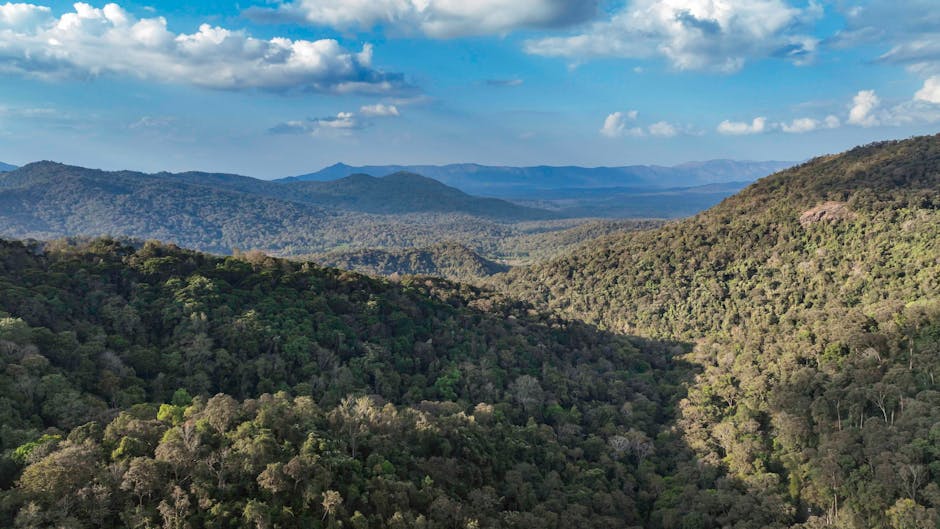
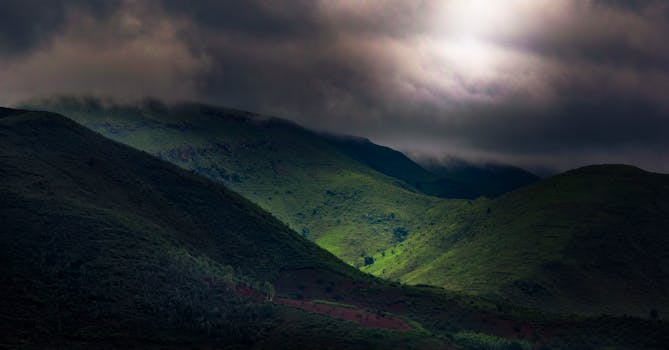
- Untouched Beauty — Surrounded by the stark, dramatic landscapes of Ladakh, Chiktan offers panoramic views of barren peaks and the shimmering Shyok River.
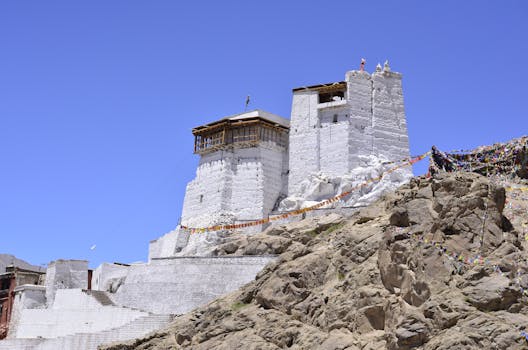
- Historical Depth — The iconic Chiktan Fort, though in ruins, stands as a testament to the region’s royal past, dating back to the 16th century.
- Cultural Immersion — Interact with the warm Balti locals in Chiktan village, whose traditions and hospitality paint a vivid picture of Ladakhi life.
- Serenity Over Crowds — Unlike Leh or Nubra, Chiktan remains blissfully quiet, perfect for those craving solitude amidst nature.
- Adventure Potential — The surrounding terrain beckons trekkers and photographers with rugged trails and untouched vistas.
- Affordable Exploration — Experience Ladakh’s essence without the hefty price tags of more commercialized spots.
- Gateway to Offbeat Routes — Chiktan serves as a base to explore lesser-known areas like Batalik and Dah-Hanu, enriching your journey.
Top Things to Do & See
Chiktan Fort
A hauntingly beautiful ruin atop a hill, this 16th-century fortress offers sweeping views of the valley below. Insider tip: Visit at sunrise when the first light hits the crumbling walls—local shepherds often guide you up for a small tip of Rs 100.
Shyok River
This turquoise ribbon winding through the barren landscape is a sight to behold, especially during sunset. Insider tip: Walk down to the riverbank near Chiktan village for a quiet picnic—locals sometimes sell homemade barley snacks here for Rs 50 a pack.
Chiktan Village Walk
Stroll through this quaint hamlet to see traditional mud-brick homes and ancient prayer wheels. Insider tip: Chat with elders at the village square—they often share folklore over a cup of butter tea if you’re polite.
Batalik War Memorial (Nearby)
Just a short drive away, this memorial honors the heroes of the 1999 Kargil War with poignant displays. Insider tip: Stop by the small roadside stall called “Tsering Tea Point” for hot chai at Rs 20 a cup while reflecting.
Trekking to Surrounding Hills
The rugged terrain around Chiktan is perfect for day hikes with jaw-dropping vistas at every turn. Insider tip: Ask for a local guide named Dorje at Chiktan’s main market—he charges Rs 500 for a half-day trek with hidden viewpoints.
Photography at Golden Hour
The interplay of light and shadow on Chiktan’s stark landscapes is a photographer’s dream. Insider tip: Head to the ridge above the fort around 5 PM for the best shots—locals call it “the painter’s spot” for a reason.
How to Reach Chiktan
Getting to Chiktan is an adventure in itself, but the journey through Ladakh’s dramatic terrain is half the fun. The nearest major hub is Leh, about 170 km away, accessible by air via Kushok Bakula Rimpochee Airport with daily flights from Delhi, Mumbai, and Srinagar. From Leh, you can hire a private taxi or hop into a shared jeep to Kargil (Rs 800–1,200 per person for shared, Rs 5,000–6,000 for private). The route follows the scenic NH-1, passing through iconic spots like Magnetic Hill and the confluence of Indus and Zanskar rivers. From Kargil town, Chiktan is just 75 km further along a narrower but manageable road via the Kargil-Batalik route—look out for the signboard near Sanjak village to turn off. Shared jeeps from Kargil to Chiktan cost around Rs 300–400 per seat, while a private cab will set you back Rs 2,500–3,000 for a one-way trip. The drive takes roughly 3 hours from Kargil, with stretches of bumpy terrain, so pack some snacks and water. If you’re on a bike, ensure you’ve got spare fuel as petrol pumps are scarce after Kargil—the last reliable one is at Drass on NH-1. A pro tip: Start early from Leh or Kargil to avoid harsh afternoon winds on the exposed roads, and always check with locals for road conditions, especially during winter.
Best Time to Visit
Chiktan shines brightest between May and September, when the weather is pleasant with daytime temperatures ranging from 15°C to 25°C, ideal for sightseeing and trekking. Nights can dip to 5°C, so carry warm layers. This peak season ensures clear roads and vibrant landscapes, with wildflowers dotting the valleys. The shoulder months of April and October are quieter, though colder (5°C to 15°C), and you might catch early snow or melting patches adding a unique charm. Monsoon isn’t a major concern in this arid region, but occasional landslides can disrupt roads in July and August, so keep an eye on updates. Winter, from November to March, is harsh with sub-zero temperatures and heavy snowfall, often cutting off access—only hardcore adventurers with proper gear should attempt it then.
Where to Stay
Accommodation in Chiktan is limited but charming, catering to various budgets. For budget travelers, homestays in Chiktan village are the way to go—expect cozy rooms with shared bathrooms for Rs 800–1,200 per night, often including home-cooked meals. Look for places near the village center, like Stanzin Homestay, run by a friendly family. For mid-range options, guesthouses around Kargil (75 km away) like Hotel Greenland offer clean rooms with attached baths for Rs 2,000–3,000 per night—perfect if you’re day-tripping to Chiktan. If you’re after something more unique, check out boutique camps near Batalik, about 30 km from Chiktan, such as Apricot Tree Camps, where tented stays with modern amenities cost Rs 4,500–6,000 per night. Book in advance during peak season, as options fill up fast, and always confirm hot water availability if traveling in colder months.
Trip Cost Breakdown (3-Day Trip for 2 People)
| Item | Cost |
|---|---|
| Accommodation (Homestay, 2 nights) | Rs 2,400 |
| Food (Local meals & snacks) | Rs 1,800 |
| Transport (Shared jeep from Leh to Chiktan & back) | Rs 2,400 |
| Activities (Guide fees, entry to memorials) | Rs 800 |
| Total | Rs 7,400 |
Suggested Itineraries
- 2-Day Quick Escape
- Day 1: Arrive in Chiktan from Kargil by noon, check into a homestay, and spend the afternoon exploring Chiktan Fort (2 PM–4 PM). Relax by the Shyok River at sunset (5 PM–6 PM).
- Day 2: Start with a village walk at 8 AM, soaking in local life, then trek a nearby hill with a guide (10 AM–1 PM). Head back to Kargil or Leh by 3 PM.
- 3-Day Deep Dive
- Day 1: Reach Chiktan by midday from Kargil, settle into your stay, and visit Chiktan Fort (3 PM–5 PM). Enjoy a quiet evening by the river (5:30 PM–6:30 PM).
- Day 2: Dedicate the day to a longer trek in the surrounding hills (8 AM–2 PM) with a packed lunch. Return for a village cultural interaction (4 PM–6 PM).
- Day 3: Drive to Batalik War Memorial early (8 AM–11 AM), grab tea at a local stall, and photograph the landscapes (11:30 AM–1 PM) before heading back to Kargil by 3 PM.
Ideal For
- History buffs fascinated by ancient forts and untold stories.
- Nature lovers seeking solitude in raw, unspoiled landscapes.
- Budget travelers wanting an authentic Ladakh experience.
- Photographers chasing dramatic light and rugged terrain.
- Adventure seekers eager for offbeat treks and exploration.
Safety, Permits & Local Etiquette
- Inner Line Permit: Required for certain areas near Chiktan, especially towards Batalik, due to its proximity to the Line of Control. Obtain it online via the Leh DC office or through agents in Leh for Rs 400–600 per person.
- Mobile Connectivity: Network is spotty at best—BSNL and Airtel work intermittently in Chiktan village, but don’t rely on data. Carry a satellite phone for emergencies if trekking.
- Solo Female Traveller: Generally safe with welcoming locals, but stick to populated areas and avoid isolated trails alone. Dress modestly and travel with a local guide for added comfort.
- Do's & Don'ts: Respect monastery and village norms—ask before photographing people. Don’t litter; carry trash back. Bargain politely at local markets, and always greet with a “Julley” (hello in Ladakhi).
Hidden Tips Only Repeat Visitors Know
- Visit Chiktan Fort on a weekday to avoid even the small weekend crowds from Kargil—pure silence awaits.
- Carry cash (small denominations) as there are no ATMs or card facilities in Chiktan village.
- Buy local dried apricots from roadside vendors near Sanjak for Rs 200 per kg—fresher than Leh markets.
- Pack a sturdy windbreaker; sudden gusts along the Shyok River can catch you off guard.
- If driving, refuel at Drass on NH-1—fuel stations beyond are unreliable or overpriced.
- Ask homestay hosts for “thukpa” (local noodle soup) instead of standard dal-rice; it’s a hearty treat for Rs 100.
- Trek with a local dog if offered—they know the trails and ward off stray animals.
- Time your river visits for late afternoon when the water reflects the mountains most vividly.
Frequently Asked Questions
Q: Is Chiktan worth visiting?
Absolutely, if you’re drawn to offbeat destinations with history and natural beauty. Chiktan offers a rare glimpse into Ladakh’s past through its fort and village life, minus the tourist bustle. It’s a serene spot to unwind and explore at your own pace.
Q: How many days are enough for Chiktan?
A 2–3 day trip is ideal to soak in the key sights like the fort and river. This gives you time for a leisurely village walk and a short trek. If you’re combining it with Batalik or Kargil, add an extra day for a relaxed itinerary.
Q: Is Chiktan safe for solo female travellers?
Yes, it’s generally safe with friendly locals, but caution is advised. Stick to well-trodden paths, stay in village homestays, and consider hiring a local guide for treks. Dressing conservatively and respecting customs helps build rapport with residents.
Q: Which is better — Chiktan or Leh?
It depends on your vibe—Leh is the bustling hub with more amenities and iconic sites like Pangong Lake, while Chiktan is a quiet escape with raw charm. If you want solitude and history over nightlife and crowds, Chiktan wins. Pair both for a balanced Ladakh trip.
Q: Do I need permits for Chiktan?
You’ll need an Inner Line Permit for areas near Chiktan, especially towards Batalik, due to border proximity. It’s easily obtainable in Leh for a small fee. Carry ID proof and multiple copies of the permit for checkpoints along the way.
Q: Is Chiktan expensive?
Not at all—Chiktan is quite budget-friendly compared to Leh or Nubra. Homestays, food, and transport are affordable, with a 3-day trip for two costing under Rs 8,000. You can keep costs low by opting for shared jeeps and local meals.