Chicham High Bridge Views: India’s Thrilling Hidden Gem Travel Guide
The right stay. At the right price. Every time.
Find your perfect Himachal Pradesh stay on Unpaqd — with our AI search feature
Curated 4.5+ rated homestays, price-match guarantee, and zero commissions-so you never overpay or settle. Just describe your ideal stay, and we'll do the rest.
Explore stays on UnpaqdSummary
- Chicham High Bridge: A breathtaking hidden gem in Spiti Valley.
- Offers unparalleled views of rugged Himalayan landscapes.
- Perfect for offbeat travelers seeking solitude and adventure.
- Surprisingly accessible yet peacefully uncrowded.
- A budget-friendly escape with raw, untouched beauty.
- Ideal for photographers and nature enthusiasts alike.
Chicham High Bridge Views
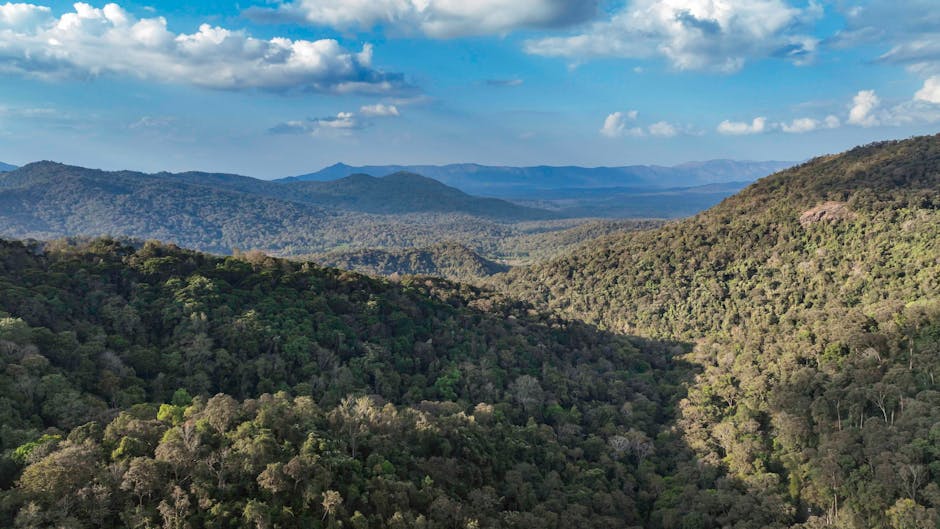
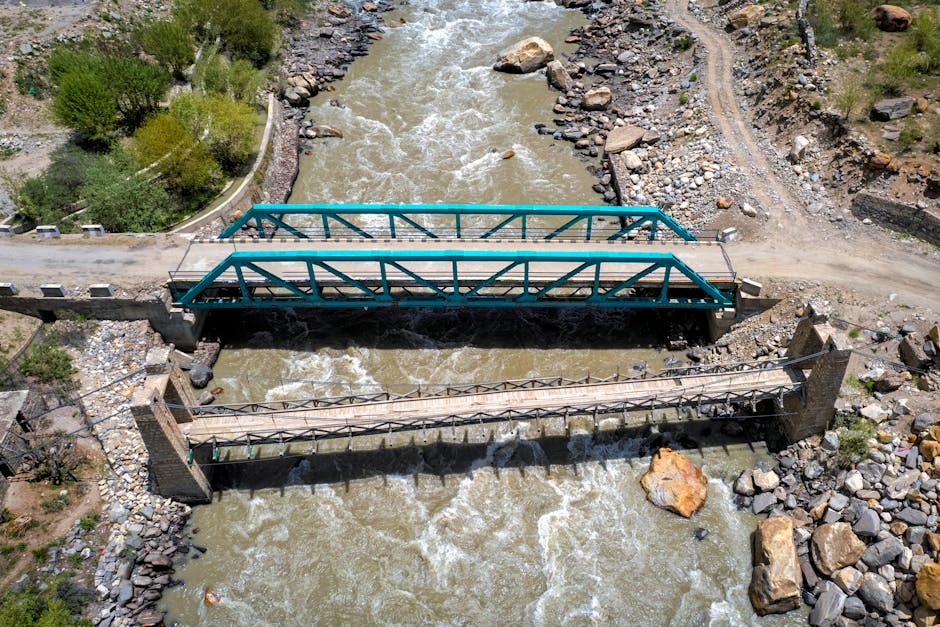
I still remember the first time I laid eyes on Chicham High Bridge. It was late afternoon, the golden hour casting long shadows over the barren, dramatic cliffs of Spiti Valley. I had just ridden for hours on a dusty, winding road, my hands numb from gripping the handlebars, when suddenly, the bridge came into view—a slender thread of steel suspended over a gaping gorge, with the raging Parvati River far below. A local shepherd, wrapped in a thick woolen shawl, smiled as he pointed to the bridge, muttering something about it being the “highest in Asia.” I couldn’t believe such a marvel existed in near obscurity.
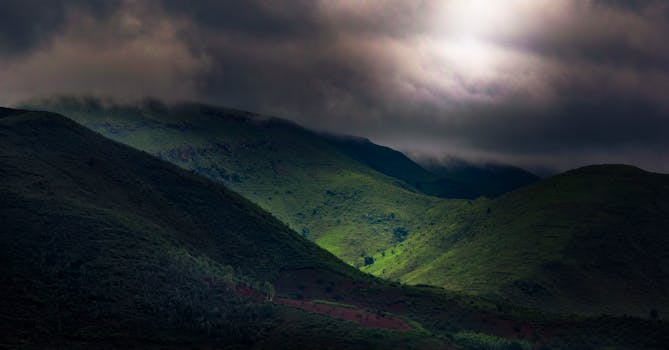
What makes Chicham High Bridge so underrated is its sheer isolation—it’s not on the usual tourist checklist for Himachal Pradesh, overshadowed by places like Manali or Shimla. Yet, this engineering wonder, connecting the villages of Chicham and Kibber, offers views that can stop you in your tracks: jagged peaks piercing the sky, endless valleys stretching into nothingness, and a profound silence broken only by the wind. It’s not just a bridge; it’s a window into the raw, untamed soul of the Himalayas. Stick with me as I unpack everything you need to know to experience this hidden spectacle for yourself.
Why Visit Chicham High Bridge Views?
- Unmatched Vistas: Witness panoramic views of Spiti Valley’s stark, otherworldly terrain from 13,596 feet above sea level.
- Engineering Marvel: Marvel at Asia’s highest suspension bridge, a daring 150-meter span over a 1,000-foot-deep gorge.
- Cultural Insight: Connect with the remote villages of Chicham and Kibber, home to warm, resilient locals.
- Photographer’s Dream: Capture dramatic contrasts of barren cliffs, azure skies, and the bridge’s striking silhouette.
- Serene Escape: Enjoy a crowd-free experience far from over-touristed Himalayan hotspots.
- Adventure Quotient: Feel the thrill of walking or driving across a bridge swaying gently in the mountain breeze.
- Spiritual Calm: Absorb the profound stillness of the high-altitude desert, a meditative retreat in itself.
Top Things to Do & See
Chicham High Bridge Crossing
Walk or drive across this heart-pounding bridge for an adrenaline rush paired with jaw-dropping views. Insider tip: Cross early in the morning when the mist lingers in the gorge below for a surreal, almost mystical experience.
Kibber Village Exploration
Stroll through this ancient village near the bridge, one of the highest inhabited places in the world. Insider tip: Visit the small Kibber Monastery for a quiet moment and a glimpse of hand-painted Buddhist murals.
Photography at Sunset Point
Capture the bridge and surrounding peaks as the sun dips, painting the landscape in fiery hues. Insider tip: Head to the viewpoint just 500 meters past Chicham village for the best unobstructed angle.
Parvati River Gorge View
Gaze down into the deep chasm carved by the river, a humbling reminder of nature’s raw power. Insider tip: There’s a small, unmarked rocky ledge near the bridge’s eastern end—perfect for a safe, close-up view.
Local Interaction at Chicham Village
Chat with villagers over a cup of butter tea in their modest stone homes. Insider tip: Ask for stories about the bridge’s construction—they love sharing tales of its history.
Star-Gazing Near the Bridge
Lie back under one of the clearest night skies you’ll ever see, with the Milky Way in full display. Insider tip: Bring a blanket and set up near the bridge’s approach road for minimal light pollution.
How to Reach Chicham High Bridge Views
Getting to Chicham High Bridge is an adventure in itself, tucked deep in the Spiti Valley of Himachal Pradesh. The nearest major hub is Manali, about 200 km away, accessible via the Manali-Leh Highway (NH-3). From Manali, you’ll need to cross the Rohtang Pass (a permit is required for non-Himachali vehicles, costing around Rs 550). The drive to Kaza, the main town in Spiti, takes about 8–10 hours, covering rugged, often unpaved stretches. From Kaza, Chicham High Bridge is just 18 km away, a 45-minute drive on a narrow, gravelly road via Kibber village. Watch for the signboard near Kibber pointing to Chicham—it’s easy to miss.
If you’re coming from Shimla, another popular entry point, the distance to Kaza is longer, around 420 km via NH-5 through Reckong Peo. This route takes about 12–14 hours, with stunning views of the Kinnaur Valley as a bonus. Public transport is sparse but doable—HRTC buses run from Manali to Kaza (Rs 400–500 per person) with erratic schedules, so check timings at the Manali bus stand. From Kaza, hire a local taxi to Chicham for about Rs 1,000 one-way, or rent a bike for Rs 800–1,000 per day if you’re comfortable navigating mountain roads.
For those flying in, the nearest airport is Bhuntar near Kullu, 250 km from Kaza, but connections are limited and pricey. Driving is the most practical option. A tip: Carry extra fuel in jerry cans (available in Manali for Rs 100 per liter) as petrol pumps are scarce beyond Kaza. Also, acclimatize in Manali or Kaza for a day to avoid altitude sickness—Chicham sits at over 13,000 feet.
Best Time to Visit
The ideal window for Chicham High Bridge is between May and October when the roads are clear, and the weather is crisp. Daytime temperatures hover between 10–20°C, dropping to near freezing at night, so pack layers. This peak season ensures the bridge and surrounding villages are accessible, with clear skies perfect for photography. Shoulder months like April and November can work if you’re okay with chilly winds and occasional road closures due to early snow. Monsoon, from July to August, brings risks of landslides on the Manali-Kaza route, though Spiti itself sees little rain due to its cold desert climate. Winter (December to March) is harsh, with heavy snow blocking access and temperatures plummeting to -20°C or lower—only for the truly hardcore adventurers with proper gear.
Where to Stay
Accommodation near Chicham High Bridge is limited, given its remote location, but nearby Kaza (18 km away) offers decent options. For budget travelers, homestays in Kibber village, just 3 km from the bridge, are cozy and authentic, costing Rs 800–1,200 per night with basic meals included—try Tashi Homestay for its warm hospitality. In Kaza, mid-range guesthouses like Hotel Deyzor charge Rs 2,000–3,000 per night, offering clean rooms, hot water (when power permits), and stunning views of the valley. For a boutique experience, check out Spiti Ecosphere in Kaza, a sustainable stay with rates around Rs 4,000–5,000 per night, blending comfort with local architecture. Book in advance during peak months, as options fill up fast. If you’re camping, pitch a tent near Kibber (with permission from locals) for a raw, unforgettable night under the stars—just bring your own gear.
Trip Cost Breakdown (3-Day Trip for 2 People)
| Item | Cost |
|---|---|
| Accommodation (Homestay/Guesthouse in Kaza/Kibber) | Rs 6,000 |
| Food (Local meals at dhabas and homestays) | Rs 3,000 |
| Transport (Bike rental or taxi from Kaza + fuel) | Rs 3,500 |
| Activities (Minimal entry fees or guide costs) | Rs 500 |
| Total | Rs 13,000 |
Suggested Itineraries
- 2-Day Quick Escape
- Day 1: Arrive in Kaza by noon after driving from Manali. Check into a guesthouse, rest for a couple of hours to acclimatize, and head to Chicham High Bridge by 3 PM for sunset views. Return to Kaza for dinner at a local dhaba like Himalayan Cafe (try their thukpa for Rs 150).
-
Day 2: Start early at 7 AM, revisit the bridge for morning light photography, and explore Kibber village by 9 AM. Spend an hour interacting with locals before heading back to Kaza by noon for your return journey.
-
3-Day Deep Dive
- Day 1: Reach Kaza by midday, settle into your stay, and take a short acclimatization walk around town. Visit the Kaza Monastery by 4 PM for a peaceful evening. Dinner at a local spot around 7 PM.
- Day 2: Leave for Chicham High Bridge at 8 AM, spend 2–3 hours soaking in the views and crossing the bridge. Head to Kibber village by 11 AM for a cultural dive, have lunch at a homestay (Rs 200 per person), and return to the bridge area for sunset at 5 PM. Back to Kaza by 7 PM.
- Day 3: Start at 6 AM for a star-gazing recap near Kibber if you missed it, or a leisurely revisit to the bridge for final photos. Explore Chicham village by 9 AM, then depart from Kaza by noon.
Ideal For
- Adventure seekers craving thrilling drives and high-altitude experiences.
- Nature lovers drawn to stark, untouched Himalayan landscapes.
- Photographers hunting for dramatic, unique frames.
- Solo travelers or small groups seeking quiet, offbeat destinations.
- Cultural explorers curious about remote mountain communities.
Safety, Permits & Local Etiquette
- Inner Line Permit: Not required for Indian nationals visiting Spiti Valley, including Chicham. Foreign travelers need an ILP, easily obtained online or at Reckong Peo for Rs 300–500.
- Mobile Connectivity: Networks are patchy at best. BSNL works sporadically in Kaza, but near Chicham, expect zero signal. Carry a satellite phone for emergencies if solo.
- Solo Female Traveller: Generally safe due to the sparse population and friendly locals, but stick to daylight hours for exploration. Avoid isolated trails alone and inform your host of your plans.
- Do's & Don'ts: Respect village customs—ask before photographing people. Don’t litter; carry trash back to Kaza. Dress modestly in villages. Bargain politely with taxi drivers or vendors.
Hidden Tips Only Repeat Visitors Know
- Stop at Losar village, 20 km before Kaza, for a quick tea break at Norbu Dhaba—their parathas (Rs 50) are legendary among bikers.
- Carry cash; the nearest ATM is in Kaza, and it often runs dry. Keep small denominations for homestay payments.
- Pack high SPF sunscreen and lip balm—Spiti’s dry, high-altitude sun is brutal even on cloudy days.
- If driving, learn basic tire repair before leaving Manali. Punctures are common, and help is hours away.
- Buy local woolen socks (Rs 100–150) from Kibber women—perfect souvenirs and incredibly warm.
- Visit the bridge during a full moon if possible; the night view is hauntingly beautiful and rarely crowded.
- Stock up on snacks and water in Kaza at Spiti General Store—options near Chicham are nonexistent.
- Chat with monks at Kibber Monastery; they often share lesser-known trails for epic viewpoints.
Frequently Asked Questions
Q: Is Chicham High Bridge Views worth visiting?
Absolutely, if you’re into offbeat destinations with jaw-dropping landscapes. The bridge isn’t just a structure—it’s a gateway to some of the most surreal views in Spiti Valley. It’s perfect for those who value solitude over crowded tourist traps. Just be prepared for a rugged journey to get there.
Q: How many days are enough for Chicham High Bridge Views?
Two to three days are ideal to soak in the experience without rushing. This gives you time for the bridge, nearby villages like Kibber and Chicham, and some downtime in Kaza. If you’re short on time, even a day trip from Kaza works for a quick glimpse.
Q: Is Chicham High Bridge Views safe for solo female travellers?
Yes, it’s relatively safe due to the low population and welcoming locals. However, stick to daylight hours for exploring and avoid isolated spots alone. Staying in homestays with families adds an extra layer of security. Always share your itinerary with someone back home.
Q: Which is better — Chicham High Bridge Views or Manali?
They cater to very different vibes. Manali is lively, accessible, and full of amenities but often crowded. Chicham offers raw, untouched beauty and solitude, though it lacks infrastructure. If you seek peace over convenience, Chicham wins hands down.
Q: Do I need permits for Chicham High Bridge Views?
Indian nationals don’t need any permits to visit Chicham or Spiti Valley. Foreigners require an Inner Line Permit, available online or at Reckong Peo. It’s a quick process, costing a nominal fee. Always carry ID proof for checkpoints en route.
Q: Is Chicham High Bridge Views expensive?
Not at all—it’s quite budget-friendly. A 3-day trip for two can cost under Rs 13,000, covering stay, food, and transport. The biggest expense is getting to Kaza, but once there, local costs are minimal. Homestays and dhabas keep expenses low.