Chicham Bridge Area
The right stay. At the right price. Every time.
Find your perfect Himachal Pradesh stay on Unpaqd — with our AI search feature
Curated 4.5+ rated homestays, price-match guarantee, and zero commissions-so you never overpay or settle. Just describe your ideal stay, and we'll do the rest.
Explore stays on UnpaqdSummary
- Chicham Bridge Area: A breathtaking hidden gem in Himachal Pradesh.
- Offers unparalleled views of the rugged Spiti Valley landscape.
- Perfect for offbeat travelers seeking solitude and adventure.
- Surprisingly peaceful despite its thrilling high-altitude location.
- Exceptional value for money with minimal tourist crowds.
- A must-visit for nature lovers and thrill-seekers alike.
Chicham Bridge Area
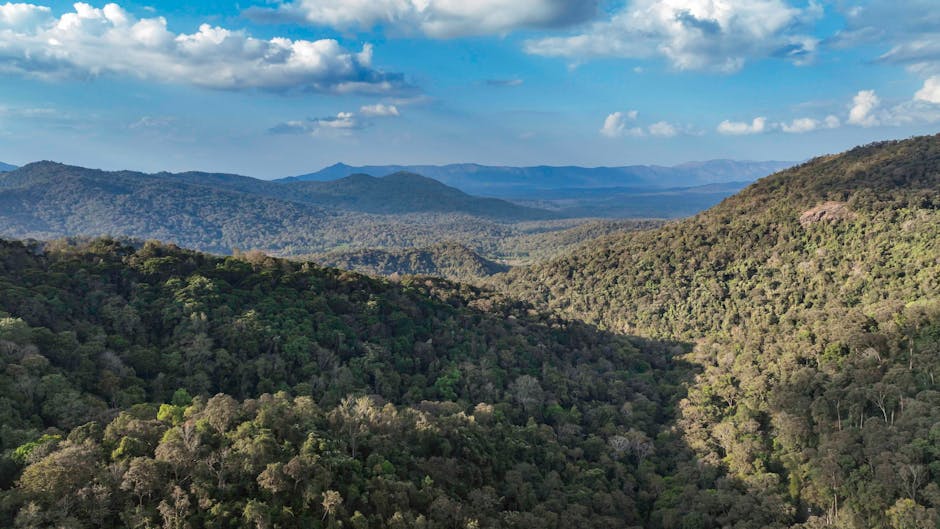
I still remember the first time I laid eyes on Chicham Bridge, suspended like a daring tightrope over a cavernous gorge in the heart of Spiti Valley. My heart raced as I stood at the edge, the wind howling through the mountains, and the sheer drop below made my knees wobble. At over 13,500 feet above sea level, this isn’t just a bridge—it’s a testament to human grit and nature’s raw power. Nestled in one of India’s most remote regions, the Chicham Bridge Area remains largely untouched by mass tourism, making it a sanctuary for those who crave unfiltered landscapes and authentic experiences. What makes it truly special is the blend of adrenaline and serenity; one moment you’re marveling at the bridge’s engineering, the next you’re lost in the silence of the surrounding peaks. It’s a place that demands respect and rewards with awe. In this guide, you’ll discover why this offbeat destination deserves a spot on your travel list, along with insider tips on things to do, how to get there, and how to make the most of your journey.
Why Visit Chicham Bridge Area?
- Thrilling Heights — Home to Asia’s highest suspension bridge, offering heart-pounding views over a 1,000-foot-deep gorge.
- Untouched Beauty — Surrounded by the stark, dramatic landscapes of Spiti Valley, untouched by commercial tourism.
- Cultural Immersion — Close to ancient villages like Kibber, where you can witness traditional Himalayan life.
- Photographer’s Paradise — Capture surreal vistas of snow-capped peaks, barren cliffs, and the bridge itself.
- Adventure Hub — Ideal for trekkers and bikers exploring the rugged terrains of Spiti and Lahaul.
- Peaceful Escape — Far from crowded tourist traps, it offers solitude amidst nature’s grandeur.
- Unique Engineering Marvel — The bridge, built to connect remote villages, is a story of human resilience.
Top Things to Do & See
Chicham Bridge
Walk across Asia’s highest suspension bridge for an adrenaline rush like no other. Insider tip: Visit at sunrise for a golden glow on the gorge below—locals swear it’s the best time.
Kibber Village
Explore one of the highest inhabited villages in the world, just a short drive away. Insider tip: Chat with locals over a cup of butter tea for untold stories of Spiti life.
Chicham Gorge Viewpoint
Stand at the edge of this viewpoint for jaw-dropping vistas of the deep gorge. Insider tip: Bring a sturdy tripod—windy conditions can shake even the steadiest hands.
Wildlife Spotting near Kibber
Spot rare Himalayan wildlife like the elusive snow leopard if you’re lucky. Insider tip: Hire a local guide from Kibber for the best chances of sightings.
Photography at Bridge Overlook
Capture the bridge from a higher vantage point for iconic shots. Insider tip: Late afternoon light casts dramatic shadows—perfect for moody frames.
Meditation by the Gorge
Find a quiet spot near the bridge to soak in the silence of the mountains. Insider tip: Locals recommend early mornings for uninterrupted peace.
How to Reach Chicham Bridge Area
Reaching Chicham Bridge Area requires some planning due to its remote location in Spiti Valley, Himachal Pradesh. The nearest airport is Bhuntar Airport near Kullu, about 250 km away, from where you can hire a taxi or take a bus to Kaza, the closest major town to Chicham (approx. 10–12 hours, costing around Rs 3,000–5,000 per person for shared transport or Rs 8,000–10,000 for a private cab). The nearest railway station is Shimla, roughly 420 km away, connected by the scenic toy train, though it’s a long journey—expect a 14–16 hour drive from Shimla to Kaza. By road, the most popular route is via Manali, which is 200 km from Kaza (7–9 hours over the Kunzum Pass, subject to weather conditions). From Kaza, Chicham Bridge is just 20 km, a 45-minute drive on rugged terrain—taxis charge around Rs 1,000–1,500 for a round trip. Biking enthusiasts often ride from Manali or Shimla for the thrill of high-altitude passes. Note that roads can be challenging, especially during winter, so a sturdy vehicle and an experienced driver are recommended.
Best Time to Visit
The ideal time to visit Chicham Bridge Area is during the summer months (June to September), when the weather is pleasant with temperatures ranging from 10°C to 20°C during the day, though nights can dip to 5°C. This is the peak season for clear skies and accessible roads, perfect for exploring the bridge and nearby villages. The shoulder seasons (late May and early October) offer fewer crowds and cooler weather (5°C to 15°C), though there’s a slight risk of sudden snowfall or road closures. Winter (November to April) is harsh, with temperatures dropping to -20°C and heavy snow blocking access—only experienced adventurers with proper gear should consider it. Monsoon (July to August) brings risks of landslides, though rainfall is generally low in this cold desert region; still, check road conditions before planning.
Where to Stay
Accommodation options near Chicham Bridge Area are limited due to its remote location, but you can base yourself in Kaza (20 km away) for a range of choices. For budget travelers, homestays in Kaza like local guesthouses offer basic but warm hospitality at Rs 800–1,500 per night, often including home-cooked meals. Mid-range options include hotels like Hotel Deyzor in Kaza, with comfortable rooms and modern amenities for Rs 2,500–3,500 per night. For a more boutique experience, try Spiti Valley Homestay or Sakya Abode in Kaza, which provide a blend of traditional decor and luxury at Rs 4,000–5,000 per night. If you’re keen on staying closer to Chicham, a few basic homestays in Kibber village (5 km away) charge around Rs 1,000–2,000 per night—just book in advance as spots fill up fast during peak season.
Trip Cost Breakdown (3-Day Trip for 2 People)
| Item | Cost |
|---|---|
| Accommodation (mid-range, 3 nights) | Rs 9,000 |
| Food (meals for 3 days) | Rs 3,000 |
| Transport (taxi from Kaza, local travel) | Rs 4,000 |
| Activities (guide, entry fees if any) | Rs 1,500 |
| Total | Rs 17,500 |
Suggested Itineraries
- 2-Day Quick Escape
- Day 1: Arrive in Kaza by morning, check into accommodation, and head to Chicham Bridge by 11:00 AM. Spend the afternoon exploring the bridge and gorge viewpoint. Return to Kaza by evening for dinner and rest.
- Day 2: Start early at 7:00 AM for Kibber Village, explore local life, and attempt wildlife spotting. Return to Kaza by noon and depart for your next destination.
- 3-Day Deep Dive
- Day 1: Reach Kaza by morning, settle in, and visit Chicham Bridge by 11:00 AM. Spend 3–4 hours at the bridge and gorge viewpoint for photography. Overnight in Kaza.
- Day 2: Depart at 8:00 AM for Kibber Village, spend the day exploring Himalayan culture and wildlife trails with a local guide. Return to Kaza by 5:00 PM for a relaxed evening.
- Day 3: Morning meditation or photography near Chicham Bridge at 6:00 AM for sunrise views. Head back to Kaza by 10:00 AM and depart after lunch.
Ideal For
- Adventure enthusiasts seeking high-altitude thrills and rugged landscapes.
- Photographers looking for dramatic natural backdrops and unique frames.
- Solo travelers or small groups craving solitude over crowded tourist spots.
- Cultural explorers interested in Himalayan traditions and remote village life.
- Bikers and road trippers chasing challenging yet scenic routes.
Safety, Permits & Local Etiquette
- Inner Line Permit: Required for certain areas of Spiti Valley if you’re traveling beyond Kaza toward restricted zones. Obtain it online or from the District Magistrate’s office in Kaza for a nominal fee.
- Mobile Connectivity: Network coverage is spotty near Chicham Bridge; only major carriers like BSNL work intermittently. Carry a satellite phone for emergencies if venturing into remote areas.
- Solo Female Traveller: Generally safe with friendly locals, but avoid isolated areas after dark. Stick to guided tours or travel with a group for added security.
- Do’s & Don’ts: Respect local customs by dressing modestly in villages. Avoid littering—carry trash back. Seek permission before photographing people. Conserve water as it’s scarce in this region.
Hidden Tips Only Repeat Visitors Know
- Visit Chicham Bridge during early morning hours for minimal wind and serene vibes.
- Pack high-energy snacks like nuts and dry fruits—food options are limited nearby.
- Carry cash as ATMs are scarce in Kaza and non-existent closer to Chicham.
- Wear sturdy trekking shoes—the terrain around the bridge is uneven and rocky.
- Layer up with thermals even in summer; temperatures drop sharply near the gorge.
- Chat with Kibber locals for folklore about the bridge’s history—it’s fascinating.
- Avoid peak tourist hours at the bridge by visiting post-lunch for fewer crowds.
- Bring a portable oxygen canister if you’re not acclimatized to high altitudes.
Frequently Asked Questions
Q: Is Chicham Bridge Area worth visiting?
Absolutely, especially if you’re drawn to offbeat destinations with raw, untouched beauty. The bridge itself is an engineering marvel, and the surrounding Spiti Valley landscapes are surreal. It’s perfect for adventure seekers and those looking to escape crowded tourist spots.
Q: How many days are enough for Chicham Bridge Area?
A 2-day trip is sufficient to explore the bridge and nearby Kibber Village at a relaxed pace. However, if you want to dive deeper into Spiti Valley’s culture or wildlife, plan for 3 days. It also depends on your travel time to Kaza, the base town.
Q: Is Chicham Bridge Area safe for solo female travellers?
Yes, it’s relatively safe with welcoming locals, but caution is advised in remote areas. Stick to well-trodden paths, travel during daylight, and consider joining a group or hiring a local guide. Always inform someone of your plans before heading out.
Q: Which is better — Chicham Bridge Area or Manali?
It depends on your vibe—Manali offers lush greenery and tourist amenities, while Chicham Bridge Area is raw, rugged, and far less crowded. If you seek solitude and high-altitude thrills, Chicham wins. For family-friendly comfort, stick to Manali.
Q: Do I need permits for Chicham Bridge Area?
No specific permit is needed for Chicham Bridge itself, but an Inner Line Permit may be required for certain parts of Spiti Valley if you’re exploring beyond Kaza. It’s easily obtainable online or in Kaza with basic documentation for a small fee.
Q: Is Chicham Bridge Area expensive?
Not at all—it’s quite budget-friendly compared to mainstream hill stations. Accommodation, food, and local transport are reasonably priced, especially if you opt for homestays. The major cost is often the journey to Kaza, but overall, it’s value for money.