Chicham Bridge
The right stay. At the right price. Every time.
Find your perfect Himachal Pradesh stay on Unpaqd — with our AI search feature
Curated 4.5+ rated homestays, price-match guarantee, and zero commissions-so you never overpay or settle. Just describe your ideal stay, and we'll do the rest.
Explore stays on UnpaqdTL;DR Summary
- Chicham Bridge: A thrilling hidden gem in Spiti Valley.
- Asia's highest suspension bridge, offering breathtaking views.
- Perfect for adventure seekers and offbeat explorers.
- Peaceful escape from crowded tourist spots.
- Budget-friendly with unforgettable experiences.
- Ideal for nature lovers craving raw beauty.
Chicham Bridge
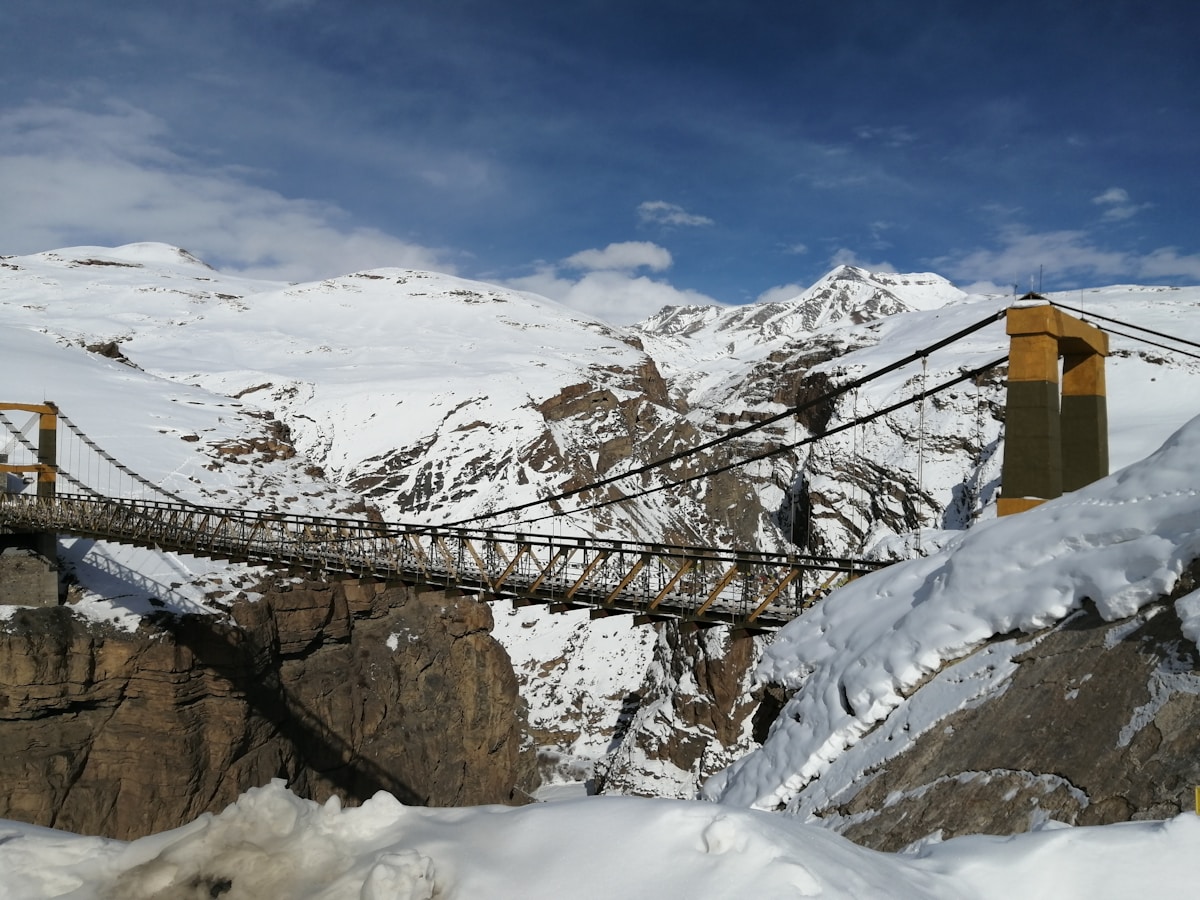
I still remember the first time I stood at the edge of Chicham Bridge, my heart racing as I peered into the 1,000-foot-deep gorge below. The wind howled through the rugged Spiti Valley, and the bridge—a slender, swaying marvel of engineering—seemed to dare me to cross. Suspended at over 13,500 feet, it’s not just a structure but a gateway to the untouched beauty of Himachal Pradesh. Most travelers stick to Manali or Shimla, missing this raw, untamed corner of India where the landscape feels like another planet. Chicham Bridge remains underrated, often overlooked for more commercialized destinations, but its stark isolation and jaw-dropping vistas make it a treasure for those willing to venture off the beaten path. In this guide, you’ll discover why it’s a must-visit, how to reach it, the best things to do, insider tips, and everything needed to plan an unforgettable trip to this hidden wonder.
Why Visit Chicham Bridge?
- Unmatched Thrill — Walk across Asia’s highest suspension bridge, towering over a dramatic gorge.
- Surreal Landscapes — Witness barren, moon-like terrains of Spiti Valley that feel otherworldly.
- Offbeat Charm — Escape tourist crowds for a serene, authentic Himalayan experience.
- Cultural Insights — Interact with locals in nearby Chicham and Kibber villages for genuine warmth.
- Photography Haven — Capture stark contrasts of rugged mountains against clear blue skies.
- Adventure Hub — Base for treks and drives through some of India’s wildest terrains.
- Spiritual Calm — Feel a profound peace amidst the untouched, remote Himalayan vibe.
Top Things to Do & See
Cross the Chicham Bridge
Experience the adrenaline rush of walking across this engineering marvel suspended over a deep gorge. Insider tip: Visit early morning to avoid winds and enjoy a quieter, more personal moment.
Explore Kibber Village
Discover one of the highest inhabited villages in the world, brimming with ancient charm. Insider tip: Chat with locals over a cup of butter tea for stories of mountain life.
Visit Key Monastery
Marvel at this 11th-century Buddhist monastery perched on a hilltop near Chicham. Insider tip: Attend morning prayers if possible, for a deeply spiritual experience.
Wildlife Spotting at Kibber Wildlife Sanctuary
Seek out rare Himalayan species like the snow leopard or ibex in this high-altitude sanctuary. Insider tip: Hire a local guide who knows the best vantage points.
Photography at Chicham Gorge
Capture the dramatic vistas of the gorge and bridge against the barren Spiti backdrop. Insider tip: Sunset offers the best light for golden-hour shots.
Drive to Tashigang
Take a short, scenic drive to this remote polling station, one of the highest in the world. Insider tip: Stop midway for panoramic views of the valley below.
How to Reach Chicham Bridge
Chicham Bridge is located in the remote Spiti Valley of Himachal Pradesh, making the journey an adventure in itself. The nearest airport is in Bhuntar, near Kullu, about 250 kilometers away. From there, you’ll need to hire a taxi or take a bus to Kaza, the nearest major town to Chicham, which is roughly 10-12 hours by road. The nearest railway station is Joginder Nagar, around 360 kilometers away, but it’s not well-connected, so most travelers prefer reaching via Shimla or Manali by road. From Manali, Kaza is about 200 kilometers via the Rohtang Pass (open seasonally), taking around 8-10 hours by private vehicle or shared taxi. Buses from Manali to Kaza are available but slower, costing around Rs 500-700 per person. Hiring a private taxi from Manali to Kaza costs approximately Rs 6,000-8,000 one way. From Kaza, Chicham Bridge is just 15 kilometers, a 30-40 minute drive, often included in local sightseeing tours for Rs 1,000-1,500. Be prepared for rugged, narrow roads and high-altitude conditions—travel light and acclimatize properly.
Best Time to Visit
The ideal time to visit Chicham Bridge is during the summer months, from May to September, when the weather is clear and roads are accessible. Daytime temperatures range from 10°C to 20°C, though nights can dip to near freezing. This is peak season for trekkers and adventure enthusiasts, with stunning views and minimal rainfall. Shoulder months like April and October offer fewer crowds and pleasant weather, though some roads may start closing by late October due to snow. Winter, from November to March, is harsh with temperatures dropping below -20°C, and heavy snowfall often cuts off access to Spiti Valley. Monsoon, from July to August, brings risks of landslides, though rainfall is generally low in this cold desert region. For the best balance of accessibility and solitude, aim for early summer or late shoulder season.
Where to Stay
Accommodation near Chicham Bridge is limited due to its remote location, with most options in Kaza, 15 kilometers away. Here are some picks across budgets:
- Budget: Homestays in Kaza and Kibber village offer basic rooms for Rs 800-1,500 per night. Look for family-run setups near Kibber for an authentic experience with home-cooked meals.
- Mid-Range: Hotels like Hotel Spiti Sarai in Kaza provide comfortable stays with modern amenities for Rs 2,000-3,000 per night. Book early during peak season for availability.
- Boutique: For a touch of luxury, try Norling Camps or similar eco-lodges near Kaza, offering stunning views and personalized service for Rs 4,000-6,000 per night. Perfect for a special getaway.
Many places include meals or have in-house kitchens, as dining options outside are scarce. Always confirm hot water and heating availability, especially in colder months.
Trip Cost Breakdown (3-Day Trip for 2 People)
| Item | Cost |
|---|---|
| Accommodation (3 nights, mid-range) | Rs 7,500 |
| Food (meals for 3 days) | Rs 3,000 |
| Transport (taxi from Manali to Kaza & local) | Rs 8,000 |
| Activities (sightseeing & guide fees) | Rs 2,000 |
| Total | Rs 20,500 |
Note: Costs are approximate and can vary based on travel style, season, and group size. Budget travelers can reduce expenses by opting for buses and homestays.
Suggested Itineraries
- 2-Day Quick Escape
- Day 1: Arrive in Kaza by morning after an overnight journey from Manali. Check into accommodation, rest for acclimatization. By 2 PM, head to Chicham Bridge (30 mins drive), spend 1-2 hours walking across and soaking in views. Return to Kaza by evening for dinner and rest.
-
Day 2: Start at 8 AM for Key Monastery (1 hour from Kaza), explore for 2 hours. Drive to Kibber village by noon for lunch and a short walk. Depart for Manali by 2 PM, reaching late night.
-
3-Day Deep Dive
- Day 1: Reach Kaza by morning, settle into accommodation. Post-lunch, visit Chicham Bridge at 2 PM, spend 2-3 hours exploring and photographing the gorge. Return to Kaza for a quiet evening.
- Day 2: Begin at 7 AM with a drive to Key Monastery, attend morning prayers if possible. By 11 AM, head to Kibber village for cultural interactions and lunch. Afternoon, explore Kibber Wildlife Sanctuary with a guide till 4 PM. Overnight in Kaza.
- Day 3: Morning drive to Tashigang at 8 AM, spend 2 hours enjoying panoramic views. Return to Kaza by noon, have lunch, and depart for Manali by 2 PM.
Ideal For
- Adventure enthusiasts seeking high-altitude thrills and unique experiences.
- Nature lovers drawn to stark, untouched Himalayan landscapes.
- Photographers looking for dramatic, offbeat frames.
- Cultural explorers eager to connect with remote Himalayan communities.
- Couples or friends wanting a peaceful, unconventional getaway.
Safety, Permits & Local Etiquette
- Inner Line Permit: Required for certain areas of Spiti Valley if traveling beyond Kaza towards border regions. Obtain it online or at the District Magistrate’s office in Reckong Peo or Kaza for a nominal fee. Carry ID proof and multiple copies.
- Mobile Connectivity: Network is spotty; only BSNL works intermittently in Kaza and nearby areas. Don’t rely on internet or calls at Chicham Bridge itself—inform family beforehand.
- Solo Female Traveller: Generally safe with friendly locals, but remote areas mean limited help if needed. Stick to guided tours, avoid isolated spots at night, and dress conservatively to respect local norms.
- Do's & Don'ts: Respect Buddhist customs at monasteries—seek permission before photographing monks. Avoid littering in this pristine region; carry trash back. Bargain politely with locals for services. Keep noise low in villages to maintain their peace.
Hidden Tips Only Repeat Visitors Know
- Carry cash as ATMs in Kaza are unreliable and often out of service.
- Pack high-SPF sunscreen and lip balm—high altitude sun is brutal.
- Acclimatize in Kaza for a day to avoid altitude sickness before excursions.
- Hire local drivers for narrow roads; they know tricky terrains best.
- Stock up on snacks and water in Kaza—options near Chicham are scarce.
- Wear sturdy shoes for the bridge; it sways, and the ground is uneven.
- Visit during full moon nights for surreal views if weather permits.
- Ask locals in Kibber for homemade yak cheese—a rare delicacy to try.
Frequently Asked Questions
Q: Is Chicham Bridge worth visiting?
Absolutely, if you crave adventure and offbeat destinations. The bridge offers a unique thrill as Asia’s highest suspension bridge, with stunning views of Spiti Valley. It’s a rare spot where nature and engineering blend seamlessly. Perfect for those seeking something beyond typical tourist trails.
Q: How many days are enough for Chicham Bridge?
A 2-3 day trip is ideal to cover Chicham Bridge and nearby attractions like Kibber and Key Monastery. One day can work if you’re short on time, focusing solely on the bridge. However, longer stays allow deeper exploration of Spiti’s culture and landscapes. Plan based on your interest in slow travel.
Q: Is Chicham Bridge safe for solo female travellers?
Yes, it’s generally safe with welcoming locals, but the remote location requires caution. Stick to guided tours or travel with a group, especially for road journeys. Avoid venturing alone at night or in isolated areas. Basic precautions ensure a hassle-free experience.
Q: Which is better — Chicham Bridge or Manali?
It depends on your vibe. Chicham Bridge is for raw, offbeat adventure with minimal crowds, while Manali offers more developed infrastructure and varied activities. If solitude and high-altitude thrills appeal, Chicham wins. For comfort and accessibility, Manali is the better pick.
Q: Do I need permits for Chicham Bridge?
No specific permit is needed for Chicham Bridge itself, but an Inner Line Permit is required for certain parts of Spiti Valley if traveling beyond Kaza. Apply online or at Reckong Peo/Kaza offices. Carry ID and copies, as checkpoints are common. It’s a simple process with a small fee.
Q: Is Chicham Bridge expensive?
Not at all; it’s quite budget-friendly. A 3-day trip for two can cost around Rs 20,000-25,000, covering travel, stay, and food. Costs drop further with shared transport and homestays. The biggest expense is often reaching Spiti, not exploring the bridge area.