Bishnoi Villages: Uncover Rajasthan’s Eco-Friendly Hidden Gem – Travel Guide
The right stay. At the right price. Every time.
Find your perfect Karnataka stay on Unpaqd — with our AI search feature
Curated 4.5+ rated homestays, price-match guarantee, and zero commissions-so you never overpay or settle. Just describe your ideal stay, and we'll do the rest.
Explore stays on UnpaqdSummary
- Bishnoi Villages: A serene offbeat gem near Jodhpur.
- Immerse in eco-conscious tribal culture and traditions.
- Witness rare wildlife in their natural habitat.
- Perfect for peaceful, meaningful travel experiences.
- Unmatched value for money with authentic stays.
- Ideal for nature lovers seeking hidden treasures.
Bishnoi Villages
I still remember the early morning mist clinging to the arid landscape as I rode into Guda Bishnoi, one of the key Bishnoi Villages, just outside Jodhpur. The sun was barely peeking over the horizon, casting a golden glow on the mud houses, and a local woman in a vibrant red ghagra offered me a shy smile while balancing a pot of water on her head. A sudden rustle nearby revealed a blackbuck, its elegant horns glinting as it darted across the scrubland. I was instantly hooked. These villages, home to the Bishnoi community, are an underrated slice of Rajasthan that most tourists skip for the palaces of Jaipur or Udaipur. What makes them special is their deep-rooted philosophy of living in harmony with nature—think sacred trees and protected wildlife, a way of life that’s been preserved for centuries. Here, you’re not just a visitor; you’re a witness to a sustainable ethos that feels almost otherworldly in today’s fast-paced chaos. Stick with me, and I’ll walk you through everything you need to uncover this hidden haven.
Why Visit Bishnoi Villages?
- Unique Cultural Insight — Experience the Bishnoi way of life, a 500-year-old tradition of environmental conservation rooted in 29 principles.
- Wildlife Encounters — Spot blackbucks, chinkaras, and migratory birds like the Demoiselle Crane in their natural desert habitat.
- Tranquil Escape — Swap the chaos of tourist-heavy cities for the calm of rural Rajasthan, where time seems to stand still.
- Authentic Interactions — Engage with locals who welcome you into their homes, sharing stories over a cup of opium tea (a cultural ritual).
- Sustainable Tourism — Support a community that prioritizes eco-friendly living, from mud houses to zero-waste practices.
- Photographer’s Paradise — Capture striking images of traditional attire, rustic landscapes, and wildlife against the desert backdrop.
- Spiritual Connection — Feel the reverence for nature at sacred spots like the Khejarli Massacre site, where Bishnois sacrificed lives for trees.
Top Things to Do & See
Guda Bishnoi Lake
A serene waterbody surrounded by thorny shrubs, it’s a haven for migratory birds and shy antelopes. Insider tip: Visit at sunrise near the shepherd trails for the best wildlife sightings—locals say the animals are most active then.
Khejarli Massacre Memorial
This haunting site commemorates the 1730 sacrifice of 363 Bishnois who died protecting khejri trees from being felled. Insider tip: Speak to the village elders nearby—they often narrate personal family stories tied to this historic event.
Shepherd’s Village Walk
Stroll through sandy paths to see shepherds tending to their flocks, offering a raw glimpse into rural life. Insider tip: Carry small gifts like pens for kids—they’ll light up and might even show you hidden grazing spots.
Bishnoi Home Visits
Step into a traditional mud house to learn pottery or weaving directly from the artisans. Insider tip: Ask to see how they prepare opium tea—it’s a sacred ritual, not just a drink, but always sip sparingly.
Salawas Weaver’s Village
Marvel at the intricate durries (rugs) handwoven by families who’ve perfected this craft over generations. Insider tip: Bargain politely at local homes for authentic pieces—shops in Jodhpur often mark up prices.
Wildlife Jeep Safari
Embark on a rugged ride through scrublands to track blackbucks and desert foxes in their untouched terrain. Insider tip: Book through local guides in Guda Bishnoi for a more personalized route—avoid touristy operators.
How to Reach Bishnoi Villages
Bishnoi Villages are primarily located around Jodhpur in Rajasthan, with key settlements like Guda Bishnoi, Kakani, and Salawas within a 20–30 km radius of the city. If you’re flying in, Jodhpur Airport (JDH) is the nearest, with direct connections from Delhi, Mumbai, and Bangalore. From the airport, it’s a quick 25 km drive to Guda Bishnoi via NH-62, passing the iconic Mandore Gardens en route. Taxis charge around Rs 800–1,000 for this stretch, or you can pre-book an Uber for slightly less.
If you’re arriving by train, Jodhpur Junction is well-connected to major cities like Delhi (via the Mandore Express) and Jaipur. From the station, it’s about 22 km to the villages. Auto-rickshaws are a budget option at Rs 300–400, though a hired cab for the day (Rs 1,500–2,000) offers more comfort and flexibility. For road-trippers, NH-62 from Jodhpur towards Pali is your main artery—look for signboards to Guda Bishnoi or Kakani after about 15 km. The drive takes roughly 40 minutes, and the roads are decent, though narrow at village entry points. Local transport within the villages is limited, so renting a bike (Rs 300/day from shops near Jodhpur’s Sardar Market) or joining a guided safari (Rs 1,200–1,500 per person) is ideal. Pro tip: Fuel up in Jodhpur—petrol pumps are scarce once you’re in the rural belt.
Best Time to Visit
The ideal window to explore Bishnoi Villages is between October and March, when the desert climate is pleasant, with daytime temperatures hovering between 20°C and 28°C. Early mornings and evenings are cool, perfect for safaris and village walks, while nights might dip to 10°C, so pack a light jacket. This peak season also coincides with migratory bird arrivals at Guda Lake, adding to the charm. April to June sees scorching heat, often touching 45°C, making outdoor activities grueling—avoid this unless you’re used to extreme conditions. Monsoon months (July to September) bring sporadic rain, turning the landscape lush but muddy, with some trails becoming inaccessible. Shoulder months like September and early April can work if you’re okay with slightly unpredictable weather and fewer crowds.
Where to Stay
Accommodation in and around Bishnoi Villages caters to varied budgets, often blending rustic charm with basic comforts. Most options are in or near Guda Bishnoi and Salawas, or you can base yourself in Jodhpur for more choices.
- Budget Pick: Bishnoi Village Homestay (Guda Bishnoi) — Stay with a local family in a traditional mud house for Rs 1,000–1,500 per night. Meals are often included, featuring home-cooked dal baati. Expect simple amenities and warm hospitality.
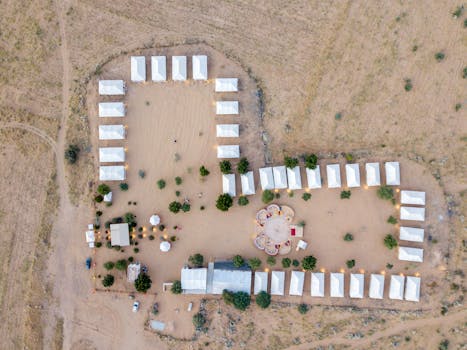
- Mid-Range Pick: Samsara Desert Camp (Near Kakani) — Located 25 km from Jodhpur, this camp offers tented stays with attached baths for Rs 2,500–3,000 per night. They organize village tours and evening cultural shows.
- Boutique Pick: Vishnoi Heritage Resort (Salawas) — A cozy property with traditional decor, charging Rs 4,000–5,000 per night. It’s close to the weaver’s village and offers guided wildlife excursions.
Booking in advance is wise during peak months, as smaller homestays fill up fast. Many places don’t have online listings, so connecting through local tour operators in Jodhpur can help secure a spot.
Trip Cost Breakdown (3-Day Trip for 2 People)
| Item | Cost |
|---|---|
| Accommodation (Mid-Range) | Rs 7,500 |
| Food (Local Meals & Snacks) | Rs 3,000 |
| Transport (Cab from Jodhpur + Local) | Rs 4,500 |
| Activities (Safaris & Village Tours) | Rs 3,000 |
| Total | Rs 18,000 |
Suggested Itineraries
- 2-Day Quick Escape
- Day 1: Arrive in Jodhpur by morning, drive to Guda Bishnoi (9 AM–10 AM). Check into a homestay, then head for a wildlife safari (11 AM–2 PM). Post-lunch, visit Guda Lake for birdwatching (3 PM–5 PM). Evening cultural interaction with locals over dinner (7 PM–9 PM).
- Day 2: Start with a sunrise village walk in Shepherd’s Village (6 AM–8 AM). Visit Khejarli Memorial (9 AM–10:30 AM), then head to Salawas for weaving demos (11 AM–1 PM). Return to Jodhpur by afternoon for departure.
- 3-Day Deep Dive
- Day 1: Reach Jodhpur, drive to Guda Bishnoi (9 AM–10 AM). Settle into accommodation, then explore Guda Lake and nearby wildlife trails (11 AM–2 PM). Afternoon rest, followed by a Bishnoi home visit for pottery and tea (4 PM–6 PM). Evening at leisure.
- Day 2: Early morning safari for blackbuck sightings (6 AM–9 AM). Post-breakfast, visit Khejarli Memorial (10 AM–11:30 AM) and Shepherd’s Village (12 PM–2 PM). Afternoon in Salawas for durry-making insights (3 PM–5 PM). Return for a quiet evening.
- Day 3: Morning walk through lesser-known hamlets near Kakani (7 AM–9 AM). Relax or shop for handicrafts (10 AM–12 PM). Drive back to Jodhpur by early afternoon for onward travel.
Ideal For
- Nature enthusiasts eager to spot rare desert wildlife.
- Cultural explorers seeking authentic tribal interactions.
- Photographers chasing rustic landscapes and vibrant portraits.
- Solo travelers or small groups craving peaceful getaways.
- Eco-conscious visitors who value sustainable travel practices.
Safety, Permits & Local Etiquette
- Inner Line Permit: No special permits are required for Indian nationals or foreigners to visit Bishnoi Villages, as they fall under accessible rural areas near Jodhpur.
- Mobile Connectivity: Networks like Airtel and Jio work decently in Guda Bishnoi and Salawas, but expect patchy signals deeper into remote hamlets. Carry a physical map or download offline maps.
- Solo Female Traveller: Generally safe with welcoming locals, but stick to guided tours or group visits. Dress modestly (cover shoulders and knees) to blend in and avoid unwanted attention.
- Do's & Don'ts: Respect the Bishnoi reverence for nature—don’t litter or harm plants/animals. Ask permission before photographing people. Avoid loud behavior during cultural rituals. Carry cash, as digital payments aren’t widely accepted.
Hidden Tips Only Repeat Visitors Know
- Visit during the early hours (around 6 AM) for the best chance to see blackbucks near Guda Lake—tourists later in the day often miss them.
- Bargain for handicrafts directly at Salawas homes instead of roadside stalls; you’ll get better prices and authentic pieces.
- Carry a reusable water bottle—locals are happy to refill from their wells, saving you from buying plastic.
- Ask your safari driver to take detours near Kakani for desert fox sightings; they often skip these unless requested.
- Pack light scarves or bandanas—desert dust can be relentless, especially during jeep rides.
- Chat with kids in Shepherd’s Village; they often know secret spots for bird nests or grazing animals.
- Try bajra roti with ghee at local homes—it’s a staple not found in city restaurants and incredibly flavorful.
- If staying overnight, request a rooftop sleeping arrangement under the stars—many homestays oblige for no extra cost.
Frequently Asked Questions
Q: Is Bishnoi Villages worth visiting?
Absolutely, if you’re drawn to offbeat cultural experiences and nature. These villages offer a rare glimpse into a community that lives in complete harmony with the environment, something you won’t find in mainstream Rajasthan itineraries. The wildlife, especially blackbucks, and warm local interactions make it memorable. It’s a perfect detour from Jodhpur’s urban buzz.
Q: How many days are enough for Bishnoi Villages?
A 2-day trip covers the essentials like wildlife safaris, village walks, and cultural sites. However, spending 3 days allows a deeper dive into local life, with time for leisurely interactions and exploring lesser-known hamlets. Anything less than 2 days feels rushed. Plan based on your interest in slow travel.
Q: Is Bishnoi Villages safe for solo female travellers?
Yes, it’s generally safe, as the locals are hospitable and accustomed to tourists. Stick to guided tours or homestays for added security, and dress conservatively to respect cultural norms. Avoid wandering alone in isolated areas after dark. With basic precautions, it’s a welcoming destination.
Q: Which is better — Bishnoi Villages or Pushkar?
It depends on your vibe. Bishnoi Villages are quieter, focusing on nature and tribal culture, ideal for a peaceful escape. Pushkar offers a livelier scene with its temples, ghats, and bustling bazaars, but it’s more touristy. Choose Bishnoi for authenticity, Pushkar for spiritual energy and color.
Q: Do I need permits for Bishnoi Villages?
No, you don’t need any special permits to visit Bishnoi Villages, whether you’re Indian or a foreign traveler. They’re easily accessible from Jodhpur and fall under regular tourist zones. Just carry a valid ID for general travel purposes. It’s hassle-free in terms of paperwork.
Q: Is Bishnoi Villages expensive?
Not at all—Bishnoi Villages are quite budget-friendly compared to other Rajasthan destinations. A 3-day trip for two can cost around Rs 18,000, covering stays, food, and activities. Homestays and local meals keep expenses low. It’s a great value-for-money escape for most travelers.