Binsar Wildlife: Uncover Uttarakhand’s Hidden Gem – Complete Guide
The right stay. At the right price. Every time.
Find your perfect Uttarakhand stay on Unpaqd — with our AI search feature
Curated 4.5+ rated homestays, price-match guarantee, and zero commissions-so you never overpay or settle. Just describe your ideal stay, and we'll do the rest.
Explore stays on UnpaqdSummary
- Binsar Wildlife: A serene escape in Uttarakhand's Kumaon hills.
- Perfect offbeat destination for nature lovers seeking solitude.
- Stunning Himalayan views without the tourist crowds.
- Budget-friendly with authentic local experiences.
- Ideal for trekking and birdwatching enthusiasts.
- A hidden gem worth exploring for peace.
Binsar Wildlife
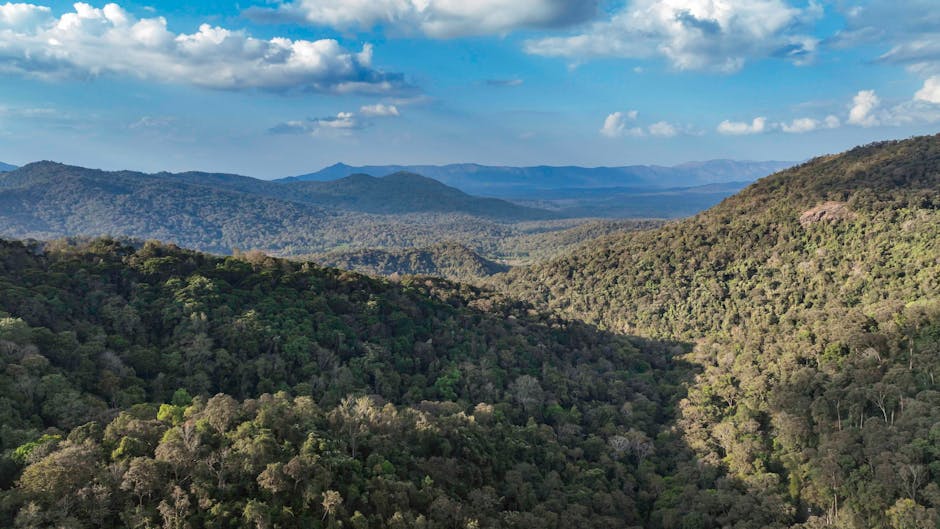
I still remember that chilly morning when I first arrived at Binsar Wildlife Sanctuary. It was just after dawn, the air crisp with a faint mist hanging over the pine forests, and the distant peaks of Nanda Devi and Trishul were slowly revealing themselves as the sun peeked through. I’d stopped at a small roadside stall near Almora for a cup of steaming pahadi chai, served by a cheerful aunty who insisted I try her homemade rhododendron jam. That warmth, both in the tea and her smile, set the tone for my trip. Binsar is one of those places that doesn’t scream for attention, yet it captivates with its quiet charm. Unlike the over-touristed hill stations, here you’ll find untouched trails, panoramic views, and a deep connection to nature. It’s special for its simplicity—think waking up to birdsong, not car horns. In this guide, I’ll walk you through everything that makes Binsar Wildlife an unforgettable retreat.
Why Visit Binsar Wildlife?
- Untouched Serenity — Escape the chaos with vast stretches of quiet oak and rhododendron forests.
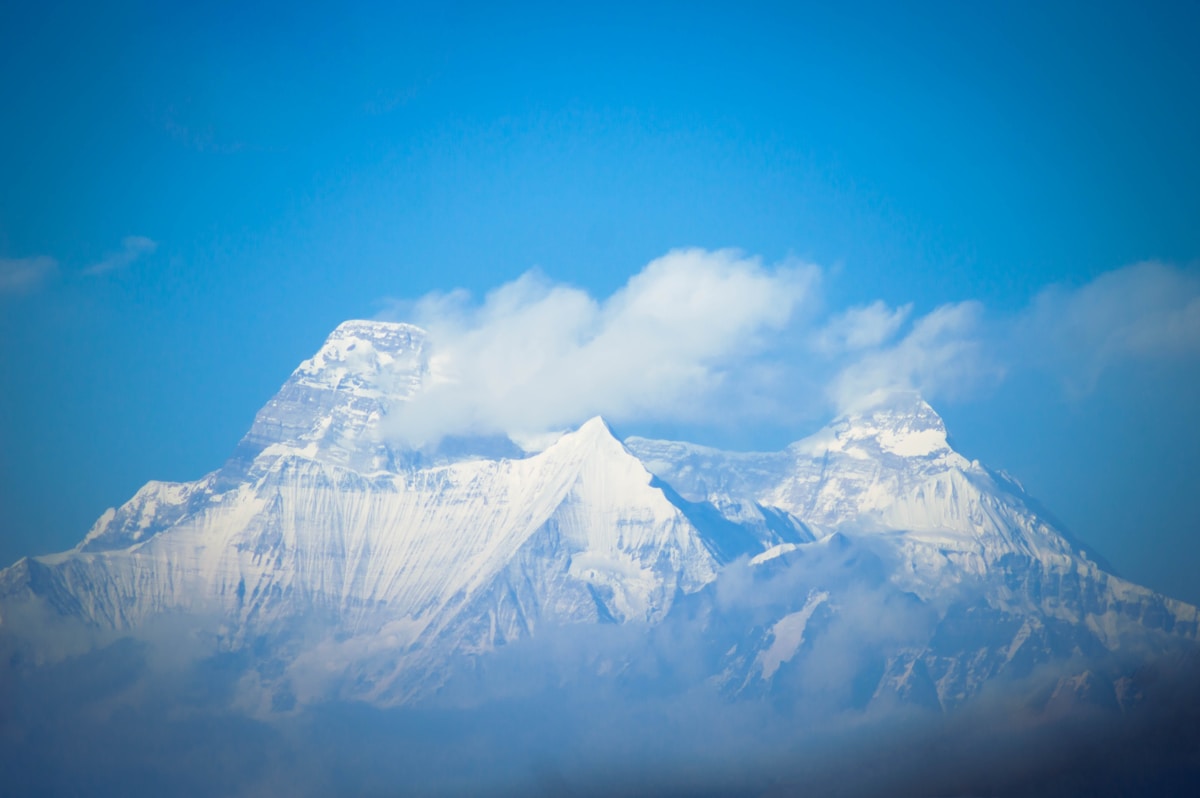
- Himalayan Panorama — Witness jaw-dropping 300-km-wide views of peaks like Kedarnath and Chaukhamba.
- Rich Biodiversity — Spot leopards, barking deer, and over 200 bird species in their natural habitat.
- Cultural Depth — Explore ancient temples like Bineshwar Mahadev, steeped in local lore.
- Offbeat Appeal — Far from commercial clutter, it’s a place to truly unplug and recharge.
- Trekking Haven — Trails like the Zero Point hike offer adventure with rewarding vistas.
- Sustainable Tourism — Small local communities ensure your visit supports authentic livelihoods.
Top Things to Do & See
Zero Point
The highest point in Binsar offers a 360-degree view of the Himalayas on a clear day. Insider tip: Reach before sunrise for a surreal golden glow on the peaks—carry a thermos of hot tea from a local stall.
Binsar Wildlife Sanctuary
A paradise for nature enthusiasts with dense forests and elusive wildlife. Insider tip: Hire a local guide near the KMVN rest house for better chances of spotting a Himalayan goral.
Bineshwar Mahadev Temple
An ancient Shiva temple surrounded by deodar trees, radiating spiritual calm. Insider tip: Visit during the evening aarti to experience local devotion up close.
Kasar Devi Temple
A historic site near Binsar with magnetic energy and sweeping valley views. Insider tip: Chat with local priests about the temple’s connection to cosmic energy theories.
Birdwatching at Dhaulachhina
A lesser-known spot just outside Binsar, teeming with colorful Himalayan birds. Insider tip: Carry binoculars and visit early morning—locals say 6 AM is the magic hour.
Village Walks near Paparsali
Stroll through quaint Kumaoni villages to see traditional stone houses and terraced farms. Insider tip: Stop by a local home for a glass of buransh juice, made from rhododendron flowers.
How to Reach Binsar Wildlife
Getting to Binsar Wildlife is part of the adventure, with scenic roads winding through the Kumaon region. The nearest major town is Almora, about 30 km away. If you’re flying in, Pantnagar Airport (PGH) is the closest, roughly 125 km from Binsar. From there, hire a taxi for around Rs 3,000–3,500 for a 3.5-hour drive. For train travelers, Kathgodam Railway Station is 100 km away, the last major railhead in the region. Shared taxis or private cabs from Kathgodam to Binsar cost between Rs 2,500–3,000, taking about 3 hours.
By road, the most scenic route is via NH-109 from either Kathgodam or Almora. From Almora, the drive to Binsar is a mesmerizing 1-hour journey through pine-covered hills. Look out for the small milestone near Dhaulachhina village—it’s a good spot for a quick photo stop. If you’re driving, ensure your vehicle is in top shape as some stretches are narrow with sharp bends. Local buses from Almora to Binsar are available but infrequent—expect to pay Rs 50–70 per person for a cramped yet authentic ride. Once in Binsar, local jeeps near the sanctuary gate charge Rs 200–300 for short trips to trailheads. Pro tip: Fuel up in Almora at the Bharat Petroleum station on Mall Road; there are no pumps closer to Binsar.
Best Time to Visit
Binsar Wildlife shines brightest between October and March when the weather is crisp, skies are clear, and Himalayan views are at their peak. Temperatures hover between 5°C to 20°C, making it perfect for trekking and outdoor exploration. April to June is a pleasant shoulder season, with blooming rhododendrons painting the hills red and pink, though daytime temps can climb to 25°C. Monsoon, from July to September, brings lush greenery but also slippery trails and occasional landslides—avoid unless you’re prepared for rain-soaked adventures. Winters might see light snowfall, especially in December and January, adding a magical touch but requiring extra layers. Always check local weather updates before planning hikes.
Where to Stay
Accommodation in Binsar caters to a range of budgets, with most options offering stunning forest or mountain views. For budget travelers, KMVN Tourist Rest House near the sanctuary gate is a steal at Rs 1,200–1,500 per night for basic but clean rooms—book in advance as it fills up fast. In the mid-range category, Mary Budden Estate near Binsar village offers colonial-style cottages with modern amenities for Rs 4,000–5,000 per night; their homemade Kumaoni meals are a highlight. For a boutique experience, Grand Oak Manor, a heritage property just 2 km from Zero Point, blends luxury with nature at Rs 6,500–8,000 per night. Most stays are scattered around Binsar village or along the Almora-Binsar road, ensuring easy access to trails. Always carry cash—card payments aren’t widely accepted.
Trip Cost Breakdown (3-Day Trip for 2 People)
| Item | Cost |
|---|---|
| Accommodation (Mid-range) | Rs 12,000 |
| Food (Local eateries & hotel) | Rs 3,000 |
| Transport (Taxi from Kathgodam & local) | Rs 6,000 |
| Activities (Guide, entry fees) | Rs 1,500 |
| Total | Rs 22,500 |
Suggested Itineraries
- 2-Day Quick Escape
- Day 1: Arrive in Binsar by noon, check into accommodation, and explore Binsar Wildlife Sanctuary trails (1–3 PM). Evening at Bineshwar Mahadev Temple for sunset views (5–6 PM).
- Day 2: Early morning hike to Zero Point (5–8 AM) for Himalayan views. Post-breakfast, visit Kasar Devi Temple (10–11:30 AM) before departing by 1 PM.
- 3-Day Deep Dive
- Day 1: Reach Binsar by midday, settle in, and take a leisurely village walk near Paparsali (2–4 PM). Relax with sunset views near your stay (5:30–6:30 PM).
- Day 2: Start with a sunrise trek to Zero Point (5–8 AM), followed by birdwatching at Dhaulachhina (9–11 AM). Afternoon in Binsar Wildlife Sanctuary with a guide (1–4 PM).
- Day 3: Morning visit to Kasar Devi Temple (8–10 AM), then explore Bineshwar Mahadev Temple (10:30–11:30 AM). Depart after lunch by 2 PM.
Ideal For
- Nature enthusiasts craving quiet forests and Himalayan vistas.
- Trekkers looking for moderate trails with rewarding panoramas.
- Birdwatchers eager to spot rare Himalayan species in the wild.
- Couples seeking a romantic, offbeat getaway far from crowds.
- Families wanting a peaceful retreat with light outdoor activities.
Safety, Permits & Local Etiquette
- Inner Line Permit: Not required for Indian nationals. Foreign visitors may need to register at the Almora district office for sanctuary entry.
- Mobile Connectivity: Patchy at best. Airtel and Jio work sporadically near Binsar village, but don’t rely on internet inside the sanctuary.
- Solo Female Traveller: Generally safe with friendly locals. Stick to well-trodden paths, avoid isolated trails after dark, and inform your stay about plans.
- Do's & Don'ts: Respect sanctuary rules—no littering or loud music. Dress modestly near temples. Always carry water and snacks on hikes. Bargain politely at local stalls.
Hidden Tips Only Repeat Visitors Know
- Visit the tiny Dhaba near Dhaulachhina for the best aloo parathas—Rs 40 a plate, served with homemade pickle.
- Carry a lightweight rain jacket even in dry seasons; sudden showers are common in the hills.
- Skip overpriced guides at the sanctuary gate—ask your homestay to connect with a trusted local for Rs 500–700 per day.
- Buy local honey and rhododendron jam from roadside stalls near Paparsali village; they’re fresher than Almora markets.
- For the best Zero Point experience, trek on a weekday to avoid small weekend crowds.
- Chat with locals at Binsar village tea stalls for folklore about the sanctuary’s wildlife—they love sharing stories.
- Pack a good pair of walking shoes; trails can be rocky, especially after rain.
- If driving, park near the KMVN rest house—roads beyond are narrow and tricky.
Frequently Asked Questions
Q: Is Binsar Wildlife worth visiting?
Absolutely, if you’re after tranquility and raw nature. Binsar offers unparalleled Himalayan views and peaceful trails without the tourist chaos of places like Nainital. It’s a haven for anyone wanting to disconnect and soak in pristine beauty. Plus, the cultural snippets in nearby villages add depth to the trip.
Q: How many days are enough for Binsar Wildlife?
A 2-day trip works for a quick getaway, covering key spots like Zero Point and the sanctuary. However, 3 days allow a deeper dive into local villages, birdwatching, and relaxed exploration. It depends on whether you’re just passing through or seeking immersion.
Q: Is Binsar Wildlife safe for solo female travellers?
Yes, it’s relatively safe with welcoming locals and a calm vibe. Stick to popular trails and avoid venturing into remote areas after dusk. Always share your plans with your accommodation. I’ve met solo women travelers here who felt comfortable with basic precautions.
Q: Which is better — Binsar Wildlife or Nainital?
It depends on your vibe. Nainital is more developed with bustling markets and boating, but it’s crowded. Binsar Wildlife is quieter, offering raw nature and solitude—perfect if you want to escape. Choose Binsar for peace, Nainital for amenities and action.
Q: Do I need permits for Binsar Wildlife?
Indian nationals don’t need any special permits to enter Binsar Wildlife Sanctuary, just a small entry fee of Rs 150 per person at the gate. Foreign visitors might need to register at Almora’s district office. Always carry ID proof. Check with your stay for the latest rules.
Q: Is Binsar Wildlife expensive?
Not at all—Binsar is quite budget-friendly compared to mainstream hill stations. A 3-day trip for two can cost around Rs 20,000–25,000, including stay, food, and transport. Local eateries and homestays keep expenses low. It’s value for money if you plan smartly.