Binsar
The right stay. At the right price. Every time.
Find your perfect Uttarakhand stay on Unpaqd — with our AI search feature
Curated 4.5+ rated homestays, price-match guarantee, and zero commissions-so you never overpay or settle. Just describe your ideal stay, and we'll do the rest.
Explore stays on UnpaqdSummary
- Binsar: A serene hidden gem in Uttarakhand’s Kumaon region.
- Perfect for offbeat travelers seeking untouched natural beauty.
- Offers peaceful retreats away from crowded tourist spots.
- Stunning Himalayan views at surprisingly affordable costs.
- Ideal for nature lovers and slow-paced vacations.
- A value-for-money destination with authentic local charm.
Binsar
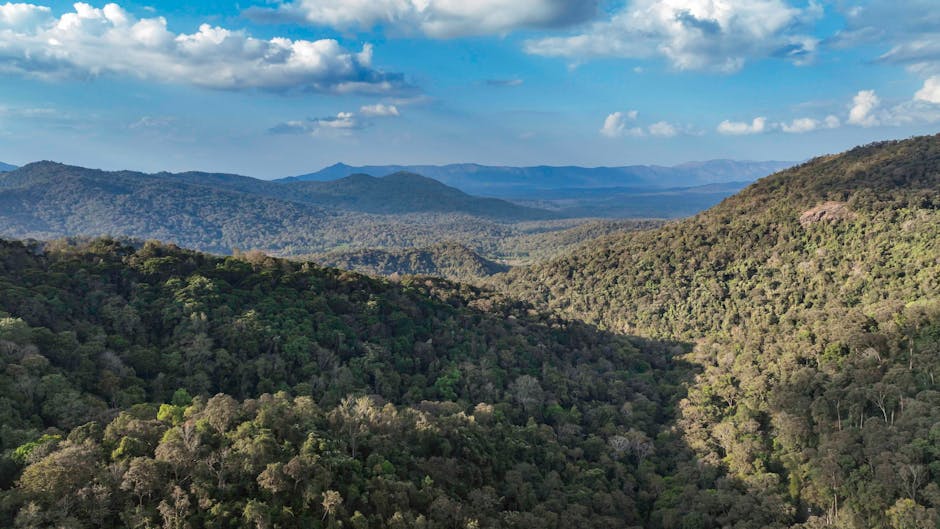
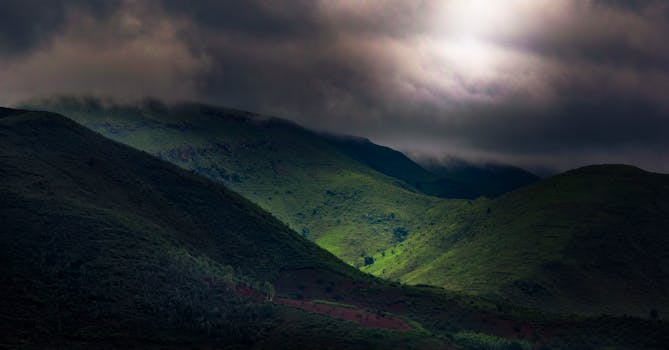
As I wound my way up the narrow, pine-fringed roads of Uttarakhand’s Kumaon hills, the first glimpse of Binsar took my breath away. It wasn’t just the crisp mountain air or the distant snow-capped peaks of Nanda Devi; it was the sheer stillness of the place—a quiet so profound it felt like the world had paused. I remember stopping at a tiny roadside stall for chai, where the elderly owner pointed to the horizon and said, “Yeh asli pahad hai” (This is the real mountain). Binsar, perched at over 2,400 meters, is a sanctuary of calm that remains untouched by the chaos of mainstream tourism. It’s underrated because it lacks the commercial buzz of nearby hill stations, yet its charm lies in its raw, unspoiled landscapes and the warmth of its people. What makes it special? Think panoramic Himalayan views, ancient temples hidden in oak forests, and a chance to disconnect completely.
In this guide, you’ll discover why Binsar deserves a spot on your travel list, the best things to do, practical tips on reaching and staying, and insider hacks to make your trip unforgettable.
Why Visit Binsar?
- Unmatched Himalayan Views — Witness a 300-degree panorama of peaks like Trishul, Nanda Devi, and Panchachuli from Binsar’s Zero Point.
- Serene Wilderness — Nestled within Binsar Wildlife Sanctuary, it’s a haven for birdwatchers with over 200 species to spot.
- Offbeat Charm — Unlike crowded hill stations, Binsar offers solitude with minimal tourist footprints.
- Rich Cultural Heritage — Explore ancient temples like Bineshwar Mahadev, steeped in local folklore and history.
- Perfect for Slow Travel — Ideal for those who crave quiet hikes and unhurried days amidst nature.
- Affordable Escape — Enjoy a budget-friendly trip without compromising on stunning experiences.
- Stargazing Paradise — With minimal light pollution, Binsar’s night skies reveal a mesmerizing blanket of stars.
Top Things to Do & See
Zero Point
This iconic viewpoint offers jaw-dropping views of the Himalayan range on clear days. Insider tip: Visit just before sunrise to catch the golden glow on Nanda Devi—locals swear it’s a spiritual experience.
Binsar Wildlife Sanctuary
A biodiversity hotspot, this sanctuary is home to leopards, deer, and rare birds. Insider tip: Hire a local guide near the entry gate for hidden trails—they know secret spots for sightings.
Bineshwar Mahadev Temple
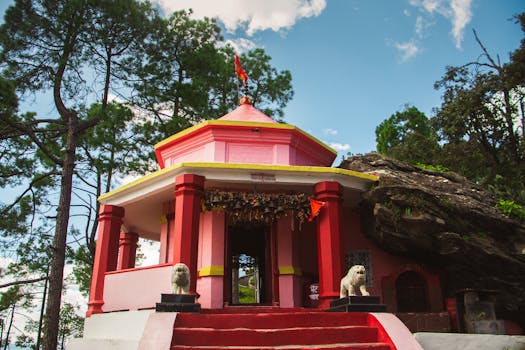
A 16th-century Shiva temple surrounded by deodar trees, radiating ancient mystique. Insider tip: Attend the evening aarti for a glimpse of local rituals—rarely seen by outsiders.
Kasar Devi Temple
Perched on a hill near Binsar, this temple is known for its spiritual energy and scenic views. Insider tip: Chat with local priests for stories about its magnetic field, believed to inspire creativity.
Village Walks
Stroll through quaint Kumaoni villages like Dhaulchina to experience authentic mountain life. Insider tip: Ask locals for homemade rhododendron juice—a tangy, refreshing secret.
Sunset at Jhandi Dhar
A lesser-known spot offering dramatic sunset views over rolling hills. Insider tip: Carry a light shawl as evenings get chilly, even in summer, per local advice.
How to Reach Binsar
Binsar is tucked away in Uttarakhand’s Almora district, making it accessible yet secluded. The nearest airport is Pantnagar, about 150 km away, with limited flights from Delhi. Taxis from the airport to Binsar cost around Rs 3,500–4,000 and take roughly 4.5 hours. The closest railway station is Kathgodam, 120 km away, well-connected to Delhi and other major cities. From Kathgodam, hire a cab for Rs 2,500–3,000, and the drive takes about 4 hours through winding mountain roads. If you’re driving, take the route via Almora (35 km from Binsar) for smoother roads—expect a scenic but slow 1.5-hour journey from Almora due to sharp curves. Shared taxis or local buses from Almora to Binsar are cheaper (Rs 100–150 per person) but less frequent, so plan accordingly. Always check road conditions during monsoon for potential landslides.
Best Time to Visit
Binsar shines brightest from October to March, when the weather is crisp (5°C to 20°C), and the Himalayan views are crystal clear. This peak season is perfect for trekking and photography, though winter mornings can dip below freezing—pack warm layers. April to June, the shoulder season, brings pleasant temperatures (15°C to 25°C) and blooming rhododendrons, ideal for nature walks, though views may occasionally be hazy. Monsoon (July to September) transforms Binsar into a lush green paradise, but heavy rains often cause landslides, making roads tricky and views obscured by mist. If you’re a rain lover, this season offers solitude, but carry rain gear and expect slippery trails. Avoid peak holiday rushes around festivals for a quieter experience.
Where to Stay
Binsar offers a range of accommodations catering to different budgets, mostly concentrated near the main town or along the sanctuary’s fringes. For budget travelers, homestays in villages like Dhaulchina or Paparsalli are cozy and authentic, costing Rs 1,000–1,500 per night with basic amenities and home-cooked meals. Mid-range options like small resorts near the sanctuary entrance, such as those in Binsar Valley, offer comfortable rooms with views for Rs 2,500–4,000 per night. For a boutique experience, look for heritage stays or eco-lodges near Zero Point or Kasar Devi, priced between Rs 5,000–8,000 per night—these often include guided treks and personalized service. Book in advance during peak seasons, as options are limited and fill up fast. Always check for proximity to viewpoints if hiking isn’t your forte.
Trip Cost Breakdown (3-Day Trip for 2 People)
| Item | Cost |
|---|---|
| Accommodation (mid-range) | Rs 9,000 |
| Food (local eateries & homestays) | Rs 3,000 |
| Transport (taxi from Kathgodam & local) | Rs 6,000 |
| Activities (entry fees & guided treks) | Rs 2,000 |
| Total | Rs 20,000 |
Note: Costs are approximate and can vary based on travel style and season. Budget travelers can reduce expenses by opting for shared transport and homestays.
Suggested Itineraries
- 2-Day Quick Escape
- Day 1: Arrive by noon, check into accommodation near Binsar Valley. Post-lunch, visit Zero Point for Himalayan views (2–3 pm). Evening at Bineshwar Mahadev Temple for aarti (5–6 pm). Dinner at a local dhaba.
- Day 2: Early morning village walk in Dhaulchina (6–8 am). Breakfast, then explore Kasar Devi Temple (9–11 am). Depart by noon after a quick stop at Jhandi Dhar for photos.
- 3-Day Deep Dive
- Day 1: Reach Binsar by midday, settle into stay near sanctuary. Afternoon trek in Binsar Wildlife Sanctuary with a guide (2–5 pm). Evening stargazing near Zero Point (7–8 pm).
- Day 2: Sunrise at Zero Point (5–6 am). Post-breakfast, visit Kasar Devi Temple and nearby viewpoints (9 am–1 pm). Afternoon village walk and local interactions (3–5 pm). Sunset at Jhandi Dhar (5:30–6:30 pm).
- Day 3: Morning visit to Bineshwar Mahadev Temple (7–9 am). Leisurely breakfast, shopping for local handicrafts in Binsar market (10–11 am). Depart by noon.
Ideal For
- Nature enthusiasts craving pristine landscapes and birdwatching opportunities.
- Couples seeking a quiet, romantic getaway with scenic backdrops.
- Solo travelers looking for safe, soul-soothing destinations.
- Families wanting a peaceful holiday away from commercial chaos.
- Photographers eager to capture Himalayan vistas and rural life.
- Slow travelers who prioritize meaningful, unhurried experiences.
Safety, Permits & Local Etiquette
- Inner Line Permit: No permits are required for Indian nationals to visit Binsar. Foreign travelers should carry valid ID and visas, as routine checks may occur near the sanctuary.
- Mobile Connectivity: Network coverage is spotty, especially inside the wildlife sanctuary. Major providers work near the main town, but don’t rely on consistent internet—inform family in advance.
- Solo Female Traveller: Binsar is generally safe with friendly locals, but stick to well-trodden paths. Avoid isolated treks after dark and keep emergency contacts handy.
- Do's & Don'ts: Respect local customs by dressing modestly near temples. Avoid littering in the sanctuary—carry trash back. Don’t disturb wildlife or pluck plants during treks. Bargain politely at local markets.
Hidden Tips Only Repeat Visitors Know
- Carry cash as ATMs are scarce, and digital payments aren’t always accepted in remote areas.
- Pack sturdy shoes—trails to Zero Point and villages can be uneven and rocky.
- Visit local markets early morning for fresh Kumaoni snacks like bal mithai to carry home.
- Chat with forest guards at sanctuary gates for updates on rare animal sightings.
- Layer clothing even in summer—mornings and evenings get unexpectedly cold.
- Avoid weekends if possible; nearby Almora residents often day-trip, crowding viewpoints.
- Buy handmade woolen shawls from villagers near Dhaulchina—cheaper and authentic.
- Request homestay hosts for traditional Kumaoni meals like bhaang ki chutney—a rare treat.
Frequently Asked Questions
Q: Is Binsar worth visiting?
Binsar is absolutely worth visiting if you seek peace and raw natural beauty. Its unparalleled Himalayan views, serene wildlife sanctuary, and cultural depth make it a standout. Unlike over-touristed spots, it offers solitude and authenticity. Perfect for a quiet escape.
Q: How many days are enough for Binsar?
A 2-day trip covers the highlights like Zero Point and key temples. However, 3 days allow deeper exploration of the sanctuary, villages, and local culture. It depends on whether you prefer a quick getaway or a slow-paced retreat.
Q: Is Binsar safe for solo female travellers?
Yes, Binsar is considered safe for solo female travelers due to its small, friendly community. Stick to popular areas and avoid late-night treks alone. Locals are helpful, but always trust your instincts and carry emergency contacts.
Q: Which is better — Binsar or Nainital?
Binsar is better for those seeking quiet, offbeat experiences with stunning Himalayan views. Nainital, while scenic, is more commercial and crowded. Choose Binsar for solitude and nature; opt for Nainital if you enjoy bustling markets and boating.
Q: Do I need permits for Binsar?
No special permits are needed for Indian visitors to enter Binsar or its wildlife sanctuary. Foreign nationals should carry valid passports and visas for routine checks. A small entry fee applies at the sanctuary gate, payable on arrival.
Q: Is Binsar expensive?
Binsar is quite affordable compared to popular hill stations. A mid-range 3-day trip for two can cost around Rs 20,000, including stay, food, and transport. Budget travelers can manage even lower with homestays and shared taxis. It’s value for money.