Bhadra Wildlife Sanctuary: Ultimate Travel Guide to India’s Hidden Gem
The right stay. At the right price. Every time.
Find your perfect Karnataka stay on Unpaqd — with our AI search feature
Curated 4.5+ rated homestays, price-match guarantee, and zero commissions-so you never overpay or settle. Just describe your ideal stay, and we'll do the rest.
Explore stays on UnpaqdSummary
- Bhadra Wildlife Sanctuary: Karnataka's untouched wilderness treasure.
- A serene escape for nature lovers and adventurers.
- Offbeat gem far from crowded tourist traps.
- Affordable safari experiences with stunning landscapes.
- Perfect for peaceful, immersive wildlife encounters.
- Hidden beauty worth every detour.
Bhadra Wildlife Sanctuary
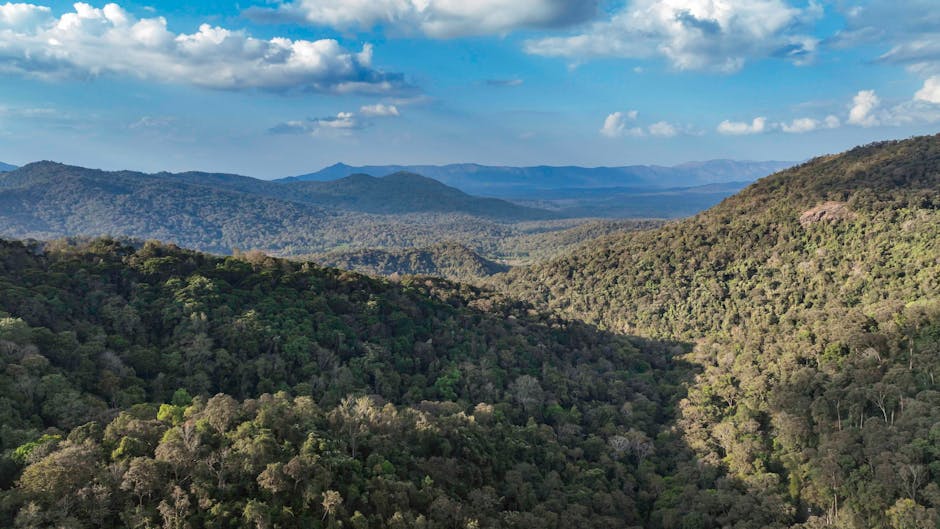
I still remember that misty morning when I first arrived at Bhadra Wildlife Sanctuary. It was just past 6 AM, the air was crisp, and a thin veil of fog clung to the towering teak trees as our jeep rumbled along a narrow dirt track near the sanctuary’s Lakkavalli entrance. Our guide, a wiry local named Manjunath, pointed out fresh pugmarks of a leopard on the damp earth, whispering that we might get lucky today. My heart raced—not just from the thrill of a potential sighting, but from the sheer stillness of this place. Unlike the more hyped reserves like Bandipur or Kabini, Bhadra feels like a secret whispered only to a few. Tucked in the Western Ghats of Karnataka, it’s a sprawling 490 square kilometers of raw, unspoiled nature where you’re more likely to hear the rustle of leaves than the chatter of selfie-stick-wielding crowds. What makes it truly special is the blend of dense forest, the shimmering Bhadra Reservoir, and the chance to spot elusive creatures like the black panther if luck is on your side. In this guide, I’ll walk you through everything you need to uncover this hidden paradise for yourself.
Why Visit Bhadra Wildlife Sanctuary?
- Untamed Wilderness — Spanning dense deciduous forests, it’s a biodiversity hotspot with over 120 species of trees and rare wildlife.
- Rare Wildlife Sightings — Home to tigers, leopards, and the elusive black panther, sightings feel personal and thrilling.
- Bhadra Reservoir Views — The shimmering backwaters offer breathtaking vistas, especially at sunset from designated viewpoints.
- Offbeat Charm — Far less commercialized than other Karnataka sanctuaries, it promises solitude amidst nature.
- Birdwatcher’s Haven — Spot over 250 bird species, including the Malabar pied hornbill, with minimal disturbance.
- Cultural Connect — Nearby villages like Lakkavalli offer a glimpse into rural Malnad life and warm hospitality.
- Adventure Options — From jeep safaris to guided treks, there’s a quiet thrill in every corner.
Top Things to Do & See
Jeep Safari in the Core Zone
Dive into the heart of the sanctuary with a bumpy, exhilarating ride through rugged trails, where every turn might reveal a sloth bear or a herd of gaur. Insider tip: Book the early morning 6 AM slot through the forest department office at Lakkavalli for cooler weather and better sighting chances.
Bhadra Reservoir Boat Ride
Glide across the serene backwaters surrounded by forested hills, feeling like you’ve stepped into a painting. Insider tip: Ask for a local boatman near Hebbe village; they often know hidden spots for birdwatching.
Birdwatching at Bababudangiri Trails
Wander along lesser-known paths near the sanctuary’s fringes to spot vibrant species like the emerald dove. Insider tip: Carry a small notebook to sketch or jot down sightings—locals love sharing bird names in Kannada.
Trekking to Hebbe Falls
Embark on a moderate 8 km trek through lush greenery to this cascading gem just outside the sanctuary. Insider tip: Wear sturdy shoes; the path near Kemmannugundi gets slippery after rain, and locals warn against venturing too close to the edge.
Village Walks in Lakkavalli
Stroll through this quaint hamlet near the sanctuary entrance to see daily life unfold—cows grazing, kids playing, and farmers at work. Insider tip: Stop by Shree Annapoorna Hotel for a Rs 50 plate of hot jolada rotti with local chutney.
Photography at Sunset Point
Capture the golden hour over the reservoir from this vantage point near the dam, where the sky melts into the water. Insider tip: Arrive by 5:30 PM to set up; the spot gets crowded with locals on weekends.
How to Reach Bhadra Wildlife Sanctuary
Getting to Bhadra Wildlife Sanctuary is a bit of a journey, but that’s part of its charm—it keeps the casual tourists away. The sanctuary lies in Chikkamagaluru district, Karnataka, roughly 280 km from Bengaluru, making it a solid weekend getaway. If you’re flying in, the nearest airport is Mangalore International Airport, about 150 km away. From there, hire a cab for around Rs 3,500–4,000 for a one-way trip to Lakkavalli, the main entry point. For train travelers, the closest railway station is Birur Junction, 40 km away, connected to Bengaluru via regular trains like the Yesvantpur-Karwar Express. A shared auto from Birur to Lakkavalli costs about Rs 100 per person, or a private taxi will set you back Rs 1,200.
By road, the most scenic route from Bengaluru is via NH-75. Drive through Hassan, take a left at Belur Cross, and follow the state highway toward Tarikere. The roads are mostly smooth, though the last 20 km after Tarikere get narrow and potholed—drive slow, especially if it’s rained. You’ll pass small roadside stalls selling tender coconut near Tarikere; stop for a quick Rs 30 refreshment. Total driving time is around 5–6 hours. If you’re on a budget, KSRTC buses run from Bengaluru’s Majestic terminal to Tarikere for Rs 350 per person, and from there, local autos to Lakkavalli charge Rs 50–70. Once at the sanctuary, local jeeps for safaris are arranged through the forest department at Rs 1,500–2,000 per trip for a group of 6. Pro tip: Fuel up at Tarikere; there are no reliable petrol pumps closer to the sanctuary.
Best Time to Visit
Bhadra Wildlife Sanctuary shines brightest between November and February, when the weather is cool, hovering between 15°C and 25°C, perfect for safaris and treks. The forest is lush post-monsoon, and wildlife sightings peak as animals venture out to waterholes. March to May is the shoulder season—hotter, touching 35°C, but the dry landscape makes spotting tigers easier as vegetation thins. Monsoon, from June to October, brings heavy rain, turning trails muddy and safaris unpredictable, though the greenery is unreal if you don’t mind getting drenched. Avoid peak holiday weekends if you crave solitude; mid-week visits feel like you’ve got the jungle to yourself.
Where to Stay
Accommodation around Bhadra caters to different budgets, mostly clustered near Lakkavalli and Kemmannugundi. For budget travelers, the Forest Department Guest House at Lakkavalli is a steal at Rs 800–1,000 per night for a basic room—book in advance through their office as spots fill fast. It’s no-frills, but you’re right at the sanctuary’s doorstep. For mid-range comfort, River Tern Lodge by Jungle Lodges & Resorts near the Bhadra Reservoir offers cozy cottages with views for Rs 3,500–4,500 per night, including meals. It’s a bit of a splurge but worth it for the location. If you’re after something boutique, check out Hoysala Village Resort in Hassan, about 80 km away, with tariffs starting at Rs 5,000 per night. It’s a detour, but the heritage vibe and serene setting make up for the drive. Wherever you stay, book early—options are limited, especially during winter.
Trip Cost Breakdown (3-Day Trip for 2 People)
| Item | Cost |
|---|---|
| Accommodation (River Tern Lodge, 2 nights) | Rs 9,000 |
| Food (local eateries + lodge meals) | Rs 3,000 |
| Transport (Bengaluru to Lakkavalli return by cab) | Rs 6,000 |
| Activities (2 safaris, boat ride, entry fees) | Rs 4,000 |
| Total | Rs 22,000 |
Suggested Itineraries
- 2-Day Quick Escape
- Day 1: Arrive by noon at Lakkavalli, check into accommodation, and head for a 3 PM jeep safari (2 hours). Evening at Sunset Point near the dam for golden-hour views.
- Day 2: Early 6 AM boat ride on Bhadra Reservoir (1.5 hours), followed by breakfast. Quick village walk in Lakkavalli by 10 AM, then depart by noon.
- 3-Day Deep Dive
- Day 1: Reach Lakkavalli by midday, settle in, and explore nearby village life by 4 PM. Relax with a quiet evening by the reservoir.
- Day 2: Start with a 6 AM jeep safari (2 hours) in the core zone. Post-lunch, trek to Hebbe Falls (4–5 hours round trip) with a guide. Evening at leisure.
- Day 3: Morning birdwatching at Bababudangiri trails from 7 AM (2 hours), followed by a boat ride at 10 AM. Depart by 1 PM after lunch.
Ideal For
- Wildlife enthusiasts eager for authentic, uncrowded safari experiences.
- Birdwatchers looking to spot rare species in tranquil settings.
- Couples seeking a quiet, nature-filled romantic getaway.
- Families wanting a safe, educational outdoor adventure.
- Solo adventurers craving solitude amidst raw wilderness.
Safety, Permits & Local Etiquette
- Inner Line Permit: Not required for Indian nationals. Foreign visitors need standard tourist visas and must register at the sanctuary office with ID proof.
- Mobile Connectivity: Spotty at best. BSNL works in patches near Lakkavalli; other networks like Airtel or Jio are unreliable deeper inside. Carry a power bank.
- Solo Female Traveller: Generally safe with precautions. Stick to guided tours, avoid isolated trails after dark, and dress conservatively in nearby villages to blend in.
- Do's & Don'ts: Respect wildlife—maintain silence during safaris. Don’t litter; carry trash back. Avoid flashy clothing that might startle animals. Tipping guides Rs 100–200 is appreciated.
Hidden Tips Only Repeat Visitors Know
- Chat with safari drivers at the Lakkavalli forest office; they often know recent sighting spots and might detour for you if tipped well.
- Pack lightweight rain gear even in dry seasons—sudden showers are common in the Western Ghats.
- Visit the tiny Sri Lakshmi Narasimha Temple near Lakkavalli for a quick blessing; locals believe it brings luck for wildlife sightings.
- Buy handmade bamboo souvenirs from stalls near the dam for Rs 50–100—they’re unique and support local artisans.
- Carry cash; there’s only one ATM in Lakkavalli, and it’s often out of service.
- Skip peak lunch hours at local eateries like Shree Annapoorna Hotel; go around 2 PM for fresher food and no wait.
- Ask for forest guard Manjunath at the safari booking counter—he’s a legend for spotting elusive cats.
- If booking Jungle Lodges, request rooms closer to the reservoir for uninterrupted views.
Frequently Asked Questions
Q: Is Bhadra Wildlife Sanctuary worth visiting?
Absolutely, if you crave an uncommercialized wildlife experience. Unlike more popular reserves, Bhadra offers solitude, diverse fauna, and stunning reservoir views. It’s perfect for those who want nature without the noise of overtourism. Just don’t expect luxury amenities—this is raw and real.
Q: How many days are enough for Bhadra Wildlife Sanctuary?
Two to three days are ideal to soak in the experience. A 2-day trip covers a safari and a boat ride, while 3 days allow deeper exploration like treks to Hebbe Falls. Anything less feels rushed given the travel time to reach.
Q: Is Bhadra Wildlife Sanctuary safe for solo female travellers?
It’s reasonably safe if you stick to guided activities and stay within populated areas like Lakkavalli. Avoid venturing into remote trails alone, especially after dusk. Locals are friendly, but basic precautions like dressing modestly help. Always inform someone of your plans.
Q: Which is better — Bhadra Wildlife Sanctuary or Bandipur National Park?
It depends on your vibe. Bandipur is more accessible and has higher tiger sighting chances but is crowded. Bhadra feels more intimate with its reservoir and rarer species like black panthers, though sightings aren’t guaranteed. Choose Bhadra for peace, Bandipur for action.
Q: Do I need permits for Bhadra Wildlife Sanctuary?
No special permits are needed for Indian visitors; just pay entry fees at the Lakkavalli gate (Rs 400 per person for safaris). Foreign nationals must show passports at the forest office. Safari and trekking bookings act as your permit. Book in advance for hassle-free entry.
Q: Is Bhadra Wildlife Sanctuary expensive?
Not at all—it’s quite budget-friendly. A 3-day trip for two can cost under Rs 22,000, including stay, food, and activities. Local transport and eateries are cheap, and forest department safaris are reasonably priced. It’s a steal compared to pricier reserves.