Araku Valley Uncovered: Ultimate Travel Guide & Expert Tips

The right stay. At the right price. Every time.
Find your perfect Andhra Pradesh stay on Unpaqd — with our AI search feature
Curated 4.5+ rated homestays, price-match guarantee, and zero commissions-so you never overpay or settle. Just describe your ideal stay, and we'll do the rest.
Explore stays on UnpaqdUltimate Guide to Araku Valley – Expert Travel Tips
TL;DR Summary
- Araku Valley travel guide: Your go-to for a serene hill escape in Andhra Pradesh.
- Best time to visit Araku Valley: Winter (Nov-Feb) for pleasant weather.
- Top attractions: Borra Caves, Katiki Waterfalls, and Tribal Museum.
- Unique appeal: Lush coffee plantations and authentic tribal culture.
- Perfect for: Nature lovers, families, and adventure seekers.
- Must-do: Scenic train ride through the Eastern Ghats.
Introduction to Araku Valley
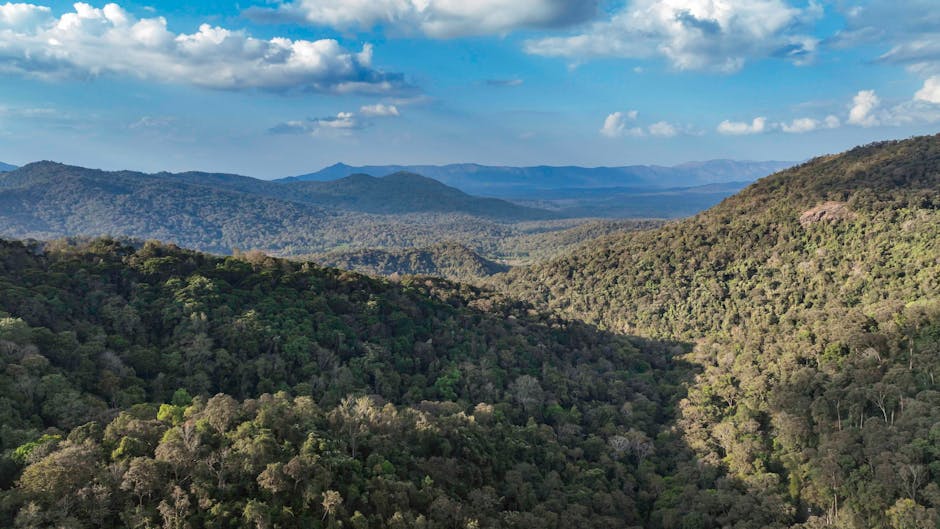
I still remember my first sunrise in Araku Valley, standing atop a misty hill as the golden light bathed endless coffee plantations. It was two decades ago, during a local tribal festival, and the rhythmic drumbeats paired with the cool breeze left an indelible mark. Nestled in the Eastern Ghats of Andhra Pradesh, Araku Valley is a hidden gem that blends breathtaking landscapes with rich tribal heritage. Its rolling hills, cascading waterfalls, and serene climate make it a must-visit for anyone seeking solace or adventure. Ideal for families craving a quiet getaway, couples looking for romantic vistas, and adventurers eager to explore offbeat trails, Araku has something for everyone. In this guide, you’ll discover top attractions, practical travel tips, and tailored itineraries for your perfect Araku Valley itinerary. For similar vibes in the north, check our Manali guide.
Why Visit Araku Valley? (Key Highlights)
- Unspoiled Natural Beauty: Verdant hills and misty valleys offer postcard-perfect views year-round.
- Cultural Immersion: Interact with indigenous tribes and experience their vibrant traditions firsthand.
- Adventure Opportunities: Trekking, camping, and exploring hidden waterfalls await thrill-seekers.
- Coffee Lover’s Paradise: Savor organic brews straight from local plantations.
- Scenic Train Journey: The Araku-Visakhapatnam railway ride through tunnels and bridges is unforgettable.
- Family-Friendly Destination: Safe, serene, and packed with picnic spots for all ages.
- Unique Fact: During my visits, I learned that Araku’s coffee is grown at 900–1,100 meters, giving it a distinct earthy flavor unmatched elsewhere.
Top Attractions in Araku Valley
1. Borra Caves
A natural marvel, these million-year-old limestone caves are adorned with stunning stalactites and stalagmites. Key features include illuminated pathways and eerie rock formations; entry fee is around INR 60 (2026 estimate); best visited in winter for cool temperatures. Insider Tip: Carry a light jacket—caves can get chilly even in summer.
2. Katiki Waterfalls
A hidden gem, this 50-foot waterfall is surrounded by dense forests, ideal for nature lovers. Entry is free, but a short trek is required; best visited during monsoon for full flow. Insider Tip: Wear sturdy shoes for the slippery trail; I’ve seen many slip without proper grip.
3. Araku Tribal Museum
A cultural treasure showcasing the life, crafts, and traditions of local tribes. Entry fee is INR 20 (2026 estimate); best visited any time of year. Insider Tip: Chat with the guides—they often share untold tribal stories.
4. Padmapuram Gardens
A serene botanical garden with tree-top huts and colorful flower beds. Entry fee is INR 40; best in spring for blooming flowers. Insider Tip: Rent a tree hut for an hour—it’s a unique photo spot.
5. Coffee Plantations
Vast stretches of organic coffee farms offering guided tours and tastings. Entry varies (INR 100–200); best in winter for harvest season. Insider Tip: Buy fresh coffee powder directly from farmers for authenticity.
6. Ananthagiri Hills
A trekking hotspot with panoramic views of the valley and lush greenery. Free entry; best in early mornings or post-monsoon. Insider Tip: Start early to catch the mist—I’ve had magical hikes at dawn.
7. Chaparai Waterfalls
A lesser-known cascade perfect for a quiet picnic amidst rocky terrain. Free entry; best during monsoon. Insider Tip: Avoid weekends if you want solitude; I’ve found weekdays far more peaceful.
8. Tadimada Waterfalls
Also called Anantagiri Waterfalls, it’s a scenic spot for a quick dip. Free entry; best post-monsoon for safe water levels. Insider Tip: Don’t swim after heavy rains—currents can be deceptive.
9. Dumbriguda Waterfalls
A series of small cascades surrounded by dense forests, ideal for photography. Free entry; best in monsoon. Insider Tip: Bring a camera with a good zoom—wildlife sightings are common nearby.
10. Galikonda Viewpoint
Offers sweeping views of Araku’s valleys and hills, perfect for sunrise. Free entry; best in early winter mornings. Insider Tip: Pack a thermos of tea; I’ve spent hours here just soaking in the calm.
Detailed Guides for Top 3 Attractions
Borra Caves
- History: Formed over millions of years, these caves were discovered in 1807 by British geologist William King and hold spiritual significance for local tribes.
- Things to See/Do: Marvel at unique rock formations, click photos under natural skylights, and learn about geological history from guides.
- Nearby Spots: Chaparai Waterfalls (20 km) and coffee plantations for a quick detour.
- Location & How to Reach: Located 12 km from Araku Valley station; accessible by local cabs (INR 300–400) or shared autos.
- Insider Tip: Visit on weekdays to avoid crowds; my weekend trip once felt too rushed due to tourist influx.
Katiki Waterfalls
- History: A natural waterfall fed by seasonal streams, it’s a sacred spot for tribal communities who believe it holds healing powers.
- Things to See/Do: Trek down for a closer view, enjoy a refreshing dip, and picnic by the rocks.
- Nearby Spots: Borra Caves (8 km) and small tribal villages for cultural insights.
- Location & How to Reach: 4 km from Borra Caves; hire a local jeep (INR 500 round trip) as the last stretch is rugged.
- Insider Tip: Hire a local guide for INR 100—they know safe spots for swimming; I learned this after a near-slip.
Araku Tribal Museum
- History: Established in 1996, it preserves the heritage of over 19 tribal groups native to the region.
- Things to See/Do: Explore exhibits of tribal tools, jewelry, and dance performances during festivals.
- Nearby Spots: Padmapuram Gardens (1 km) for a quick nature walk post-visit.
- Location & How to Reach: In the heart of Araku town; walkable or a short auto ride (INR 50) from the station.
- Insider Tip: Attend the Dhimsa dance if scheduled—I’ve been mesmerized by its raw energy.
How to Reach Araku Valley
Araku Valley is well-connected yet retains an offbeat charm. The nearest airport is Visakhapatnam (115 km), with cab fares around INR 3,000–3,500 (2026 estimate) for a 3-hour drive. The Araku Railway Station offers a scenic route from Visakhapatnam (Kothavalasa-Kirandul line), taking 3–4 hours with tickets costing INR 100–300. By road, it’s a 3-hour drive from Vizag via NH16 and Araku Road—rented cars or buses (INR 200–400) are convenient. From Hyderabad (600 km), overnight trains or buses take 12–14 hours (INR 800–1,500). Driving in the ghats requires caution; stick to daylight hours and check tire conditions. I’ve navigated these winding roads—slow and steady wins with frequent photo stops!
Multi-Day Road Trip Circuits from Major Cities
Starting from Visakhapatnam (Vizag), the gateway to Araku, here are four diverse road trip circuits to explore the region. These are crafted from my two decades of travel to suit varied interests and durations.
Classic Araku Circuit: Nature & Culture
- Stops & Sequence: Vizag → Araku Valley (115 km, 3 hrs) → Borra Caves → Katiki Waterfalls → back to Vizag via same route.
- Why This Sequence: Direct route via NH16 offers scenic ghats, and looping back avoids unnecessary detours while covering major sights.
- Total Duration: 2–3 days.
- Best For: Families and first-timers wanting a short, hassle-free trip.
- Tips: Take the early morning train for a memorable ride; book accommodations in Araku in advance during winter; roads are smooth but narrow at turns—drive cautiously.
Extended Eastern Ghats Adventure Circuit
- Stops & Sequence: Vizag → Araku Valley (115 km, 3 hrs) → Lambasingi (100 km, 3 hrs) → Kothapalli Waterfalls → Chintapalli → back to Vizag (150 km, 4 hrs).
- Why This Sequence: Covers Araku’s highlights, then extends to Lambasingi (often called “Kashmir of Andhra”) for cooler climates and lesser-known waterfalls, forming a logical loop.
- Total Duration: 5–7 days.
- Best For: Adventure seekers and nature enthusiasts.
- Tips: Pack warm clothes for Lambasingi’s chilly nights; fuel up in Araku—remote stretches lack stations; check monsoon road closures.
Budget Quick Getaway Circuit
- Stops & Sequence: Vizag → Araku Valley (115 km, 3 hrs) → Padmapuram Gardens → Tribal Museum → back to Vizag.
- Why This Sequence: Focuses on easily accessible spots in Araku, minimizing travel time and costs with a same-day return option.
- Total Duration: 1–2 days.
- Best For: Budget travelers and weekend trippers.
- Tips: Use shared autos or buses (INR 200 round trip); pack snacks to save on food; avoid peak festival days for lower fares.
Offbeat Tribal Trail Circuit
- Stops & Sequence: Vizag → Araku Valley (115 km, 3 hrs) → Paderu (50 km, 2 hrs) → Maredumilli (120 km, 4 hrs) → back to Vizag via Rajahmundry (200 km, 5 hrs).
- Why This Sequence: Explores tribal hamlets in Paderu and untouched forests in Maredumilli, offering a cultural deep-dive away from touristy spots.
- Total Duration: 4–5 days.
- Best For: Cultural explorers and offbeat travelers.
- Tips: Hire a local guide in Paderu for village visits; roads to Maredumilli are rough—use a sturdy vehicle; carry cash as ATMs are scarce.
Note: These circuits can be customized; always check live road conditions via Google Maps or Andhra Pradesh tourism apps.
Best Time to Visit Araku Valley
Araku Valley is a year-round destination, but each season offers a unique charm. Winter (November–February) is ideal with temperatures of 10–20°C (2026 trends), perfect for sightseeing and treks. Summer (March–May) sees 20–30°C, still pleasant for early morning outings. Monsoon (June–September) transforms the valley into a lush green paradise with frequent rains—great for waterfall lovers but tricky for treks. Shoulder seasons (October and late February) balance weather and crowds. I’ve loved winter visits for clear skies, though monsoon treks to Katiki were unforgettable despite the drizzle.
Where to Stay in Araku Valley – Recommendations
- Budget: Haritha Valley Resort (near Tribal Museum) – Run by APTDC, it’s clean, basic, and costs INR 1,500–2,000/night (2026 estimate). I’ve stayed here for its proximity to key spots. Book via Booking.com for deals.
- Mid-Range: Silver Oak Resort (central Araku) – Comfortable rooms with valley views at INR 3,000–4,000/night. My go-to for family trips due to decent amenities. Book via Booking.com for deals.
- Luxury: Jungle Bells Nature Camp (near Tyda) – Offers tent stays and cottages for INR 6,000–8,000/night with guided treks. I’ve enjoyed their bonfire nights. Book via Booking.com for deals.
- Curated Stays: Browse unique homestays and eco-lodges on Unpaqd: Browse Unpaqd stays in Araku Valley
Trip Cost Breakdown (5-Day Trip for 2 People)
| Category | Cost (INR, 2026 Estimate) |
|---|---|
| Transport (Vizag-Araku round trip by cab) | 7,000 |
| Stay (Mid-range, 4 nights) | 12,000 |
| Food (Local eateries, 5 days) | 5,000 |
| Activities (Entry fees, treks) | 2,000 |
| Miscellaneous (Souvenirs, tips) | 1,000 |
| Total | 27,000 |
Suggested Itineraries
3-Day Quick Trip
- Day 1: Arrive in Araku via Vizag (morning train), check into hotel, visit Tribal Museum (2 PM), and Padmapuram Gardens (4 PM). Evening at leisure.
- Day 2: Early visit to Borra Caves (8 AM), trek to Katiki Waterfalls (11 AM), lunch at local dhaba, relax at Galikonda Viewpoint (4 PM).
- Day 3: Morning coffee plantation tour (8 AM), depart for Vizag by noon. Budget Tip: Use shared autos (INR 50–100 per ride).
5-Day Immersive Experience
- Day 1: Arrive via scenic train, settle in, explore Tribal Museum (3 PM) and local markets.
- Day 2: Full day at Borra Caves (9 AM) and Katiki Waterfalls (1 PM); evening at viewpoint.
- Day 3: Trek Ananthagiri Hills (7 AM), visit Chaparai Waterfalls (2 PM), relax.
- Day 4: Coffee plantation tour (9 AM), Dumbriguda Waterfalls (1 PM), evening bonfire if at camp.
- Day 5: Morning at Tadimada Waterfalls (8 AM), depart by afternoon. Budget Tip: Pack meals for treks to save on roadside stalls.
Ideal For
- Families: Safe, scenic spots like gardens and museums with easy access.
- Couples: Romantic viewpoints and quiet waterfall picnics.
- Solo Adventurers: Offbeat treks and cultural dives into tribal life.
- Nature Lovers: Endless greenery, waterfalls, and coffee trails.
Safety, Permits & Local Etiquette
Araku is generally safe, but hilly terrains demand caution—stick to marked trails and avoid isolated areas at night. No permits are needed for major attractions, though guided treks (like Ananthagiri) may require local permissions (INR 100–200). Pack rain gear for monsoons and warm layers for winters. Solo female travelers should avoid late-night outings in remote spots; I’ve always felt safe in central Araku with locals being warm. Respect tribal customs—ask before photographing people or sacred sites. Don’t litter; I’ve seen pristine spots ruined by careless tourists.
Hidden Tips from 20+ Years of Travel
- Visit Galikonda Viewpoint at 5:30 AM for surreal sunrises—my favorite memory.
- Bargain for coffee at plantations; I’ve gotten 1 kg for INR 300 vs. INR 500 in shops.
- Avoid peak Dussehra festival crowds (October) if you prefer quiet—I learned this the hard way.
- Try bamboo chicken at local stalls near Borra Caves—a tribal delicacy I stumbled upon.
- Book train tickets 2 months ahead for the Vizag-Araku route; they sell out fast.
- Carry cash—card payments are rare outside main resorts, as I discovered during a trip.
- Chat with tribal vendors at markets; I’ve learned about hidden trails from them.
- Pack mosquito repellent for waterfall treks—bites can spoil the fun, trust me.
Frequently Asked Questions
Q: What are the top things to do in Araku Valley?
Araku Valley offers a mix of natural and cultural experiences. Explore Borra Caves for stunning rock formations, trek to Katiki Waterfalls for a refreshing dip, and visit the Tribal Museum to understand local heritage. Don’t miss a scenic coffee plantation tour or the Vizag-Araku train ride. These activities cater to nature lovers and cultural enthusiasts alike.
Q: How to reach Araku Valley from major cities?
Araku Valley is accessible from Visakhapatnam (115 km), the nearest major city, via a scenic 3-hour drive (cab fare INR 3,000–3,500) or train (INR 100–300). From Hyderabad (600 km), take an overnight train or bus (12–14 hours, INR 800–1,500). The nearest airport is in Vizag, with flights from Delhi, Mumbai, and Bangalore. Roads are winding, so plan daylight travel for safety.
Q: Is Araku Valley safe for solo travelers?
Yes, Araku Valley is generally safe for solo travelers, with friendly locals and a peaceful vibe. However, stick to well-trodden paths and avoid remote areas after dark, especially near waterfalls. Solo female travelers should stay in central areas and travel in groups for treks. I’ve traveled alone here and felt secure with basic precautions.
Q: What's the best time to visit Araku Valley?
The best time to visit Araku Valley is winter (November–February) when temperatures range from 10–20°C, ideal for sightseeing. Monsoon (June–September) offers lush greenery but slippery trails, while summer (March–May) is still pleasant at 20–30°C. Shoulder seasons like October are great for fewer crowds. I’ve loved winter for clear skies and cozy vibes.
Q: Do I need permits for Araku Valley attractions?
No, most attractions like Borra Caves, Katiki Waterfalls, and Tribal Museum don’t require permits, just nominal entry fees (INR 20–60). However, for certain guided treks in Ananthagiri Hills, local permissions may cost INR 100–200, arranged via guides. Always check with local authorities for updated rules. I’ve never faced issues, but it’s wise to confirm on-site.
Q: How much does a trip to Araku Valley cost?
A 5-day trip for two to Araku Valley costs around INR 27,000 (2026 estimate), covering transport (INR 7,000), mid-range stay (INR 12,000), food (INR 5,000), and activities (INR 2,000). Budget travelers can cut costs to INR 15,000–18,000 using shared transport and cheaper stays. Costs vary with season—winter may spike due to demand. My budget trips often saved by packing meals.
Q: What's a sample itinerary for Araku Valley?
For a 3-day Araku Valley itinerary, start with arrival via Vizag train, visit Tribal Museum, and Padmapuram Gardens on Day 1. Day 2, explore Borra Caves and Katiki Waterfalls, ending with Galikonda Viewpoint. Depart on Day 3 after a coffee plantation tour. This covers key spots efficiently, based on my quick trips.
Q: Budget stays in Araku Valley?
For budget stays, Haritha Valley Resort near Tribal Museum offers clean rooms at INR 1,500–2,000/night (2026 estimate), ideal for proximity to attractions. Homestays in central Araku cost INR 1,000–1,500 and provide a local vibe. Book early during peak seasons like winter. I’ve stayed at Haritha multiple times for its value and location.