Araku Valley: Uncover India’s Lush Green Hidden Gem – Travel Guide
The right stay. At the right price. Every time.
Find your perfect Andhra Pradesh stay on Unpaqd — with our AI search feature
Curated 4.5+ rated homestays, price-match guarantee, and zero commissions-so you never overpay or settle. Just describe your ideal stay, and we'll do the rest.
Explore stays on UnpaqdSummary
- Araku Valley: A serene hidden gem in Andhra Pradesh.
- Perfect for offbeat travelers seeking untouched beauty.
- Lush coffee plantations and cascading waterfalls await.
- Peaceful escape from crowded tourist traps.
- Budget-friendly with authentic tribal culture.
- Ideal for nature lovers and slow travel enthusiasts.
Araku Valley
I still remember the first time I rolled down the window of my rickety shared taxi on the ghat road to Araku Valley. It was early morning, around 6 AM, and a thin veil of mist clung to the hills like a shy bride’s veil. The air was crisp, carrying the faint aroma of wet earth and wildflowers. A local vendor at a roadside stall near Galikonda Viewpoint handed me a steaming cup of bamboo chicken broth for just Rs 30, grinning as he explained how they cook it inside hollow bamboo sticks over an open fire. That moment—sipping something so rustic while staring at endless green slopes—felt like stepping into a forgotten world.
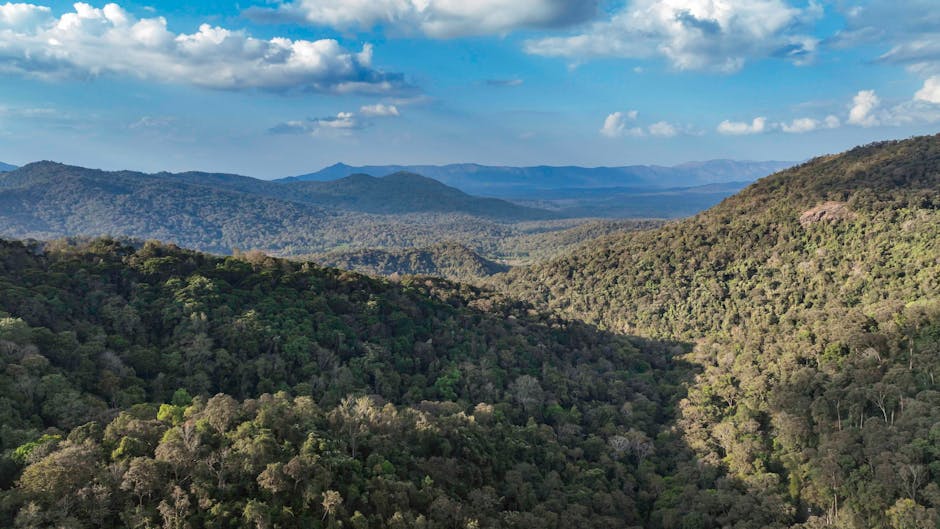
Araku Valley, tucked away in the Eastern Ghats of Andhra Pradesh, remains criminally underrated. While places like Ooty and Munnar are overrun with selfie sticks, Araku offers raw, unpolished charm. Think sprawling coffee estates, tribal villages untouched by commercialism, and waterfalls that don’t have a hundred hawkers around them. It’s special because it’s still real—locals live as they have for generations, and you’re more likely to stumble upon a hidden trail than a neon signboard. Stick with me, and I’ll walk you through everything you need to uncover this quiet paradise for yourself.
Why Visit Araku Valley?
- Untouched Nature — Endless stretches of emerald hills and dense forests that feel like a painting come to life.
- Coffee Plantations — Home to some of India’s best organic coffee, grown by tribal communities with centuries-old methods.
- Tribal Culture — Interact with the indigenous tribes at the weekly Dhimsa dance performances in local villages.
- Affordable Getaway — Meals as low as Rs 50 and stays starting at Rs 800 make it wallet-friendly.
- Adventure Trails — Trekking routes like the one to Chaparai Waterfalls offer solitude and stunning vistas.
- Waterfall Magic — Hidden gems like Katiki Falls, where you can swim in crystal-clear pools without crowds.
- Cool Climate — A refreshing escape with temperatures rarely crossing 30°C, even in peak summer.
Top Things to Do & See
Borra Caves
Step into a surreal underground world of limestone formations illuminated by eerie natural light. Insider tip: Visit post-monsoon when the dripping stalactites create tiny, magical pools—locals believe touching the water brings good luck.
Chaparai Waterfalls
A lesser-known cascade surrounded by dense greenery, perfect for a quiet dip. Insider tip: Walk 500 meters upstream from the main spot for a secluded nook where locals picnic—bring your own snacks as there’s no stall here.
Araku Tribal Museum
A small but fascinating showcase of tribal life with artifacts, traditional attire, and tools. Insider tip: Chat with the museum guide, often a local tribesman, for untold stories about the region’s history—they don’t print these in brochures.
Padmapuram Gardens
A sprawling botanical garden with rare plants and a quirky toy train ride. Insider tip: Head to the rose garden section early morning when the caretakers are watering— they’ll let you pluck a flower or two if you ask nicely.
Katiki Waterfalls
A 50-foot waterfall hidden amidst coffee estates, accessible by a short trek. Insider tip: Hire a local guide near the entrance for Rs 100—they’ll show you a safer path to the base for a swim.
Coffee Plantations
Walk through endless rows of coffee shrubs and learn about organic farming from tribal growers. Insider tip: Buy freshly roasted coffee powder directly from farmers at Ananthagiri Hills for half the market price, around Rs 200 per kilo.
How to Reach Araku Valley
Araku Valley sits in the Visakhapatnam district of Andhra Pradesh, roughly 115 km from Vizag, the nearest major city. If you’re flying in, land at Visakhapatnam International Airport (VTZ), which has direct connections from Delhi, Mumbai, and Hyderabad. From there, you’ve got a few options to reach Araku. The most scenic—and my personal favorite—is the train ride on the Kottavalasa-Kirandul line. Board the Visakhapatnam-Araku passenger train from Vizag Railway Station; it costs about Rs 100 for a general ticket and takes around 3.5 hours. The journey through 58 tunnels and over 80 bridges, with views of the Eastern Ghats, is worth every penny. Trains usually depart early, around 6:50 AM, so check the IRCTC schedule and book a window seat if possible.
By road, it’s a 3-hour drive from Vizag via NH-16 up to S. Kota, then onto the winding Araku Road. The ghat section after Ananthagiri is a visual treat but has sharp bends—hire a local driver if you’re not used to hill roads. Private taxis charge around Rs 2,500–3,000 one way, while shared jeeps from Vizag’s Old Bus Stand cost Rs 150–200 per person. If you’re driving, refuel at Vizag as petrol pumps are scarce closer to Araku. Buses by APSRTC run frequently from Dwaraka Bus Station in Vizag to Araku Bus Stand, with tickets at Rs 120–150 for a deluxe service, taking about 4 hours.
Once in Araku, local transport is limited to auto-rickshaws and rented two-wheelers. Autos charge Rs 50–100 for short hops like to Borra Caves (10 km away). Rent a scooter near Araku Bus Stand for Rs 400–500 per day to explore at your own pace—just watch out for uneven village roads.
Best Time to Visit
Araku Valley shines brightest between October and February, when the weather is cool, hovering between 15°C and 25°C. This is peak season, with clear skies ideal for trekking and sightseeing. The shoulder months of March to May are still pleasant, with temperatures up to 30°C, though it can get a bit humid. Monsoon, from June to September, transforms the valley into a lush green paradise, but heavy rains often lead to slippery trails and occasional roadblocks on the ghat sections. If you’re a rain lover, pack waterproof gear and visit waterfalls like Katiki during this time—they’re at their roaring best. Avoid peak summer if you dislike heat, as midday can feel draining despite the elevation.
Where to Stay
Accommodation in Araku Valley caters to varied budgets, and most options are clustered near Araku Town or along the main road to Borra Caves. For budget travelers, try Haritha Valley Resort near the Bus Stand, run by APTDC. It’s basic but clean, with dorms at Rs 800 per night and private rooms from Rs 1,200. Book in advance on the APTDC website as it fills up fast. For a mid-range pick, Jungle Bells Resort near Tyda, about 15 km from Araku, offers cozy cottages amidst nature for Rs 2,000–2,500 per night, including breakfast. Their bamboo huts give a rustic vibe I loved waking up to. If you’re after something boutique, check into Silver Oaks Farmstay near Padmapuram Gardens. Priced at Rs 3,500–4,000 per night, it’s a charming property surrounded by coffee plantations, with hosts who double as guides for plantation walks. Always haggle a bit for off-season discounts, especially at private stays.
Trip Cost Breakdown (3-Day Trip for 2 People)
| Item | Cost |
|---|---|
| Accommodation (mid-range, 2 nights) | Rs 5,000 |
| Food (meals at local eateries) | Rs 2,400 |
| Transport (shared jeep from Vizag + local autos) | Rs 1,000 |
| Activities (entry fees, guide charges) | Rs 800 |
| Total | Rs 9,200 |
Suggested Itineraries
- 2-Day Quick Escape
- Day 1: Arrive by morning train from Vizag (6:50 AM departure). Reach Araku by 10:30 AM, check into your stay, and head to Padmapuram Gardens by noon. Post lunch at a local dhaba (try Sri Sai Ram near Bus Stand), visit Araku Tribal Museum till 4 PM. Evening at leisure—stroll near coffee stalls.
- Day 2: Start early at 7 AM for Borra Caves (reach by 8 AM). Spend 2 hours, then drive to Katiki Waterfalls by 11 AM for a quick dip. Return to Araku by 2 PM, grab lunch, and catch the 3 PM train back to Vizag.
- 3-Day Deep Dive
- Day 1: Reach Araku by morning bus (7 AM departure from Vizag, arrive 11 AM). Settle into accommodation, then explore Padmapuram Gardens and nearby coffee plantations till 4 PM. Evening Dhimsa dance at a local village (ask your hotel for timings).
- Day 2: Head to Borra Caves by 8 AM (spend 2 hours). Drive to Chaparai Waterfalls by 11 AM for a picnic lunch (pack food). Return by 3 PM and relax with a coffee-tasting session at a local farm near Ananthagiri till evening.
- Day 3: Morning trek to Katiki Waterfalls at 7 AM (hire a guide). Back by noon, visit Araku Tribal Museum till 2 PM. Catch the 3 PM train or 4 PM bus back to Vizag.
Ideal For
- Nature enthusiasts craving serene landscapes and fresh mountain air.
- Budget travelers looking for an affordable yet enriching getaway.
- Culture seekers interested in authentic tribal traditions and lifestyles.
- Adventure lovers who enjoy offbeat treks and waterfall explorations.
- Couples or small groups wanting a quiet, romantic escape.
Safety, Permits & Local Etiquette
- Inner Line Permit: Not required for Indian citizens. Foreign nationals should carry valid visas and check with local authorities at Vizag for any specific entry rules.
- Mobile Connectivity: Network is patchy outside Araku Town. BSNL works best; Airtel and Jio are unreliable near waterfalls and remote villages. Carry cash as ATMs are limited.
- Solo Female Traveller: Generally safe during the day in populated areas. Stick to main routes, avoid isolated trails after dark, and dress modestly to respect local norms.
- Do's & Don'ts: Ask permission before photographing tribal people. Don’t litter—carry a bag for trash. Respect sacred sites near villages and avoid loud behavior during cultural performances.
Hidden Tips Only Repeat Visitors Know
- Visit the weekly tribal market on Sundays near Araku Bus Stand—pick up handmade crafts and organic honey for Rs 150–200.
- Skip overpriced tourist cafes; eat at small dhabas like Venkatesh Mess near Borra Caves Road for authentic meals under Rs 60.
- Bargain for auto fares—drivers often quote Rs 150 for short rides; settle at Rs 80–100.
- Carry a light jacket even in summer—mornings and evenings get chilly at 900 meters elevation.
- Ask locals about seasonal fruit stalls near Ananthagiri—fresh guavas and jackfruit are sold dirt cheap, around Rs 20 per piece.
- Avoid weekends for Borra Caves if you hate crowds; weekdays before 10 AM are blissfully empty.
- Pack mosquito repellent—especially if trekking to waterfalls post-monsoon.
- Chat with coffee farmers directly at Ananthagiri Hills for free tastings—they love sharing their brew if you show interest.
Frequently Asked Questions
Q: Is Araku Valley worth visiting?
Absolutely, if you’re after a quiet escape with raw natural beauty. Unlike commercial hill stations, Araku offers authentic tribal culture, stunning landscapes, and affordable travel. It’s perfect for slowing down and soaking in unspoiled vistas. Just don’t expect luxury or nightlife.
Q: How many days are enough for Araku Valley?
A 2-day trip covers the basics like Borra Caves and a waterfall or two. However, 3 days let you dive deeper into tribal villages, coffee plantations, and lesser-known trails. If you’re short on time, even a well-planned weekend works.
Q: Is Araku Valley safe for solo female travellers?
It’s relatively safe during daytime in main areas like Araku Town and popular spots. Stick to guided tours for remote trails, avoid venturing alone at night, and dress conservatively to blend in. Locals are friendly but language barriers can be a challenge.
Q: Which is better — Araku Valley or Munnar?
Araku Valley wins for solitude and raw tribal culture, with fewer tourists and lower costs. Munnar has more polished infrastructure and tea estates but feels commercialized. Pick Araku for offbeat charm, Munnar for accessibility and amenities.
Q: Do I need permits for Araku Valley?
Indian citizens don’t need any special permits to visit Araku Valley. Foreign travelers should ensure their visas are in order and carry identification. Always check with local police in Vizag if unsure about specific areas near tribal zones.
Q: Is Araku Valley expensive?
Not at all—it’s one of the most budget-friendly hill destinations in South India. A 3-day trip for two can cost under Rs 10,000, including stay, food, and local travel. Eating at small dhabas and using shared transport keeps expenses low.