Anegundi: Uncover India’s Ancient Hidden Gem – Complete Travel Guide
The right stay. At the right price. Every time.
Find your perfect Karnataka stay on Unpaqd — with our AI search feature
Curated 4.5+ rated homestays, price-match guarantee, and zero commissions-so you never overpay or settle. Just describe your ideal stay, and we'll do the rest.
Explore stays on UnpaqdSummary
- Anegundi: A hidden treasure near Hampi’s iconic ruins.
- Perfect for offbeat explorers seeking history and serenity.
- Unspoiled landscapes with ancient temples and riverside charm.
- Budget-friendly destination with authentic rural vibes.
- Ideal for slow travel and cultural immersion.
- A peaceful escape from tourist-heavy spots.
Anegundi
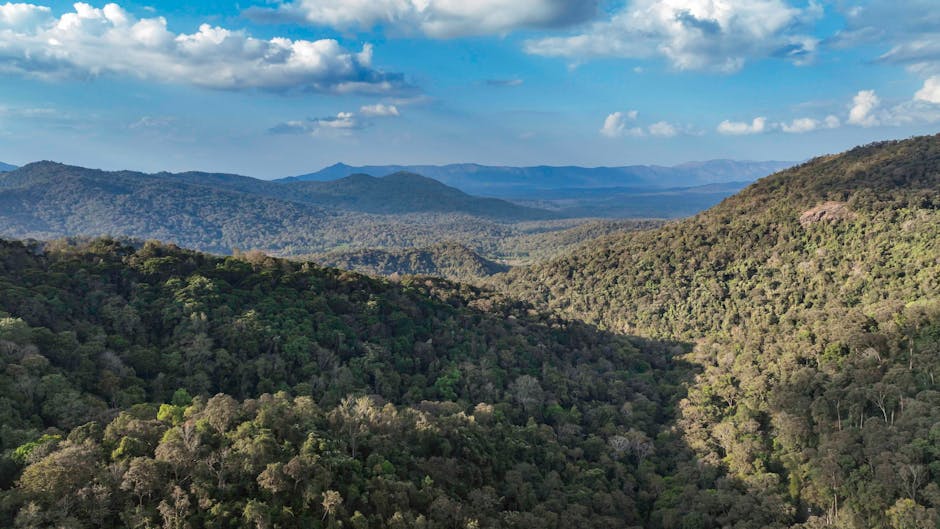
I remember stepping off a rickety coracle boat at the edge of the Tungabhadra River, the early morning mist still clinging to the water’s surface. The air was cool, carrying the faint scent of wet earth, and a local boatman named Shankar grinned as he pointed towards the quiet village ahead. “Welcome to Anegundi,” he said, his voice thick with pride. I had come here almost by accident, looking for a detour from the crowded ruins of Hampi, just 5 kilometers away. What I found was a slice of history untouched by time—crumbling forts, ancient temples, and boulder-strewn hills that whispered stories of a bygone era. Unlike its more famous neighbor, Anegundi feels like a secret, a place where you can wander without a map and still stumble upon magic. It’s the kind of village where locals invite you for a cup of chai without expecting anything in return. If you’re craving a journey that’s raw and real, let me take you through the heart of this forgotten gem.
Why Visit Anegundi?
- Historical Depth — Often called the cradle of the Vijayanagara Empire, Anegundi predates Hampi with ruins dating back centuries.
- Untouched Beauty — Its riverside setting and boulder landscapes offer a dramatic backdrop for photography and quiet reflection.
- Cultural Immersion — Witness rural life up close, from farmers tending fields to artisans crafting traditional pottery.
- Spiritual Calm — Ancient temples like the Huchappayana Matha provide a serene escape from modern chaos.
- Offbeat Appeal — Far less crowded than Hampi, it lets you explore at your own pace without tourist traps.
- Adventure Potential — Trekking through hills and crossing rivers by coracle adds a thrill to the journey.
- Affordable Exploration — From food to stays, everything here is easy on the pocket compared to mainstream destinations.
Top Things to Do & See
Anjanadri Hill
Climb this sacred hill, believed to be the birthplace of Lord Hanuman, for panoramic views of the Tungabhadra Valley. Insider tip: Start your trek before 7 AM to avoid the harsh sun and catch the sunrise from the top.
Pampa Sarovar
Visit this tranquil lake, revered in Hindu mythology as a site where Goddess Parvati meditated. Insider tip: Sit by the water at dusk when local priests often perform small rituals— it’s a soulful experience.
Chintamani Temple
Explore this ancient shrine linked to the Ramayana, surrounded by massive boulders and eerie quietude. Insider tip: Look for the cave nearby where Lord Rama is said to have met Sugreeva—locals will guide you if asked.
Tungabhadra River Crossing
Take a coracle ride across the river for a unique perspective of Anegundi’s rugged beauty. Insider tip: Bargain with boatmen at the ghat near Navabrindavanam; a round trip shouldn’t cost more than Rs 50 per person.
Ranganatha Temple
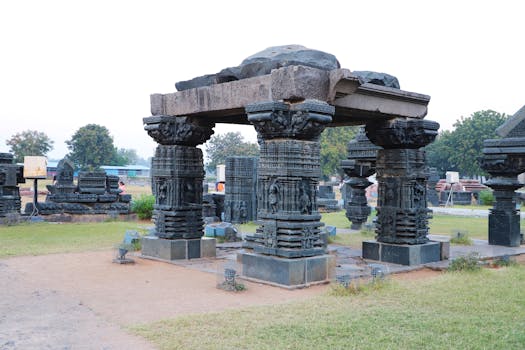
Admire the intricate carvings of this 14th-century temple dedicated to Lord Vishnu, nestled amid banana plantations. Insider tip: Visit around 6 PM when the evening aarti fills the air with chants and incense.
Anegundi Fort
Wander through the remnants of this hilltop fort for a glimpse into the region’s defensive past. Insider tip: Carry water and wear sturdy shoes—the uneven climb isn’t marked, but the view is worth it.
How to Reach Anegundi
Getting to Anegundi is part of the adventure, as it’s tucked away just across the river from Hampi in Karnataka’s Koppal district. The nearest major hub is Hospet, about 20 kilometers away. If you’re flying in, the closest airport is Jindal Vijaynagar Airport in Toranagallu, roughly 40 kilometers from Anegundi, though flights are limited. Most travelers prefer flying into Kempegowda International Airport in Bengaluru (350 kilometers away) and then taking a train or bus to Hospet. From Bengaluru, overnight trains like the Hampi Express drop you at Hospet Junction in about 7-8 hours, with sleeper tickets costing around Rs 300-400 per person.
By road, take NH-48 from Bengaluru towards Hospet, then switch to SH-49 for the last stretch to Hampi. From Hampi, Anegundi is just 5 kilometers across the Tungabhadra River. You can hire an auto-rickshaw from Hampi Bazaar for Rs 100-150 to reach the riverbank, then cross via a coracle boat (Rs 20-30 per person) or use the small motorboat service when available. If you’re driving, park near the Hampi side and cross over, as vehicles can’t directly access Anegundi due to the river. Local buses from Hospet to Anegundi are also an option, running every 30 minutes or so for about Rs 20, though they’re often crowded. My tip? Rent a scooter in Hampi for Rs 300 a day—it gives you flexibility to explore both sides at your leisure. The journey, especially the river crossing, feels like stepping into another world, with boulder hills looming as you approach the village.
Best Time to Visit
Anegundi shines brightest between October and February, when the weather is pleasant, with temperatures hovering between 18°C and 30°C. This is the peak season for comfortable exploration, ideal for treks and outdoor sightseeing. The shoulder months of March and September are still good, though it gets warmer, often touching 35°C. Monsoon, from June to August, transforms the landscape into a lush green haven, but heavy rains can make river crossings tricky and trails slippery. I’ve visited during late November and found the cool mornings perfect for long walks, though afternoons still called for a hat and sunscreen. Avoid the scorching summer months of April and May unless you’re used to 40°C heat.
Where to Stay
Anegundi doesn’t have fancy hotels, and that’s part of its charm. Accommodations are simple, often run by locals, and blend with the village vibe. For budget travelers, try homestays like Gowri Guest House near the main village road, where a basic room costs Rs 800-1,000 per night with shared bathrooms. It’s clean, and the host family often cooks fresh meals if you ask. For a mid-range option, check out Uramma Heritage Homes, a restored traditional house offering private rooms with rustic decor for Rs 2,000-2,500 per night, including breakfast. If you’re after something more boutique, book a stay at Kishkinda Trust’s eco-friendly cottages near Pampa Sarovar, priced at Rs 3,500-4,000 per night. They focus on sustainable living and organize guided village walks. Book in advance, especially for weekends, as options are limited and fill up fast.
Trip Cost Breakdown (3-Day Trip for 2 People)
| Item | Cost |
|---|---|
| Accommodation (mid-range) | Rs 7,500 |
| Food (local meals & chai) | Rs 3,000 |
| Transport (auto, scooter, coracle) | Rs 2,000 |
| Activities (guided walks, entry fees) | Rs 1,000 |
| Total | Rs 13,500 |
Suggested Itineraries
- 2-Day Quick Escape
- Day 1: Arrive by noon, cross the Tungabhadra River (1 PM), check into your stay, and explore Chintamani Temple (3-5 PM). End with sunset at Pampa Sarovar (6 PM).
- Day 2: Start early with a trek up Anjanadri Hill (6-9 AM), visit Ranganatha Temple (10 AM-12 PM), and take a leisurely coracle ride (2-3 PM) before heading back.
- 3-Day Deep Dive
- Day 1: Reach Anegundi by midday, settle in, and wander the village lanes (2-4 PM). Visit Chintamani Temple and relax by the river (4-6 PM).
- Day 2: Trek Anjanadri Hill at sunrise (6-9 AM), explore Anegundi Fort (10 AM-1 PM), and spend the afternoon at Pampa Sarovar (3-5 PM).
- Day 3: Morning visit to Ranganatha Temple (8-10 AM), a coracle ride across Tungabhadra (11 AM-12 PM), and some downtime with locals over chai before departing (2 PM).
Ideal For
- History buffs fascinated by ancient ruins and mythology.
- Nature lovers seeking quiet landscapes and riverside tranquility.
- Slow travelers wanting to experience authentic village life.
- Budget explorers looking for value without compromising on experience.
- Adventure seekers eager for light treks and unique river crossings.
Safety, Permits & Local Etiquette
- Inner Line Permit: Not required for Anegundi, as it’s easily accessible to all visitors, Indian or foreign.
- Mobile Connectivity: Network is patchy, especially on hills. Airtel and Jio work decently in the village center, but don’t rely on data for navigation.
- Solo Female Traveller: Generally safe, with friendly locals. Stick to daylight hours for treks, dress modestly, and avoid isolated areas after dark.
- Do's & Don'ts: Respect temple customs by removing shoes and covering shoulders. Don’t litter, especially near the river. Bargain politely with boatmen and vendors. Ask before photographing locals.
Hidden Tips Only Repeat Visitors Know
- Visit the tiny roadside stall called Shree Krishna Tiffins near the main ghat for the best masala dosa (Rs 30)—it’s a local favorite.
- Cross the river early in the morning (before 8 AM) to avoid long waits for coracle boats during peak hours.
- Carry cash in small denominations—ATMs are scarce, and vendors rarely accept digital payments.
- Pack a light scarf or hat; the boulder areas have little shade, and the sun can be relentless by noon.
- Chat with locals at chai stalls near Ranganatha Temple—they often share lesser-known stories about hidden caves and trails.
- If you’re into birdwatching, head to the riverbank near Navabrindavanam at dawn for sightings of kingfishers and egrets.
- Buy handmade palm-leaf crafts from women near Pampa Sarovar—unique souvenirs for Rs 50-100.
- Avoid weekends if possible; even though it’s offbeat, nearby Hampi crowds can spill over.
Frequently Asked Questions
Q: Is Anegundi worth visiting?
Absolutely, especially if you love history and quiet escapes. Anegundi offers a glimpse into the roots of the Vijayanagara Empire with far fewer tourists than Hampi. Its serene riverside setting and ancient sites make it a rewarding detour. You’ll feel like you’ve discovered something truly special.
Q: How many days are enough for Anegundi?
Two to three days are ideal to soak in the essence of Anegundi. A couple of days let you cover key spots like Anjanadri Hill and Pampa Sarovar at a relaxed pace. With an extra day, you can dive deeper into village life and hidden trails. Rushing through in one day feels incomplete.
Q: Is Anegundi safe for solo female travellers?
Yes, it’s generally safe with a welcoming community. Stick to well-trodden paths and avoid venturing into remote areas alone after sunset. Dress conservatively to blend in, especially near temples. I’ve met solo women travelers here who felt comfortable with basic precautions.
Q: Which is better — Anegundi or Hampi?
It depends on your vibe. Hampi is more developed with iconic ruins and better facilities, but it’s crowded. Anegundi feels raw and peaceful, perfect for slow exploration of history and nature. If you want authenticity over convenience, choose Anegundi or combine both for the best experience.
Q: Do I need permits for Anegundi?
No, Anegundi doesn’t require any special permits for Indian or foreign visitors. It’s an open destination, easily accessible from Hampi. Just carry a valid ID for general travel purposes. Some temples might have small entry fees, but nothing formal is needed.
Q: Is Anegundi expensive?
Not at all—Anegundi is very budget-friendly. Accommodation, food, and local transport cost much less than mainstream spots, with a 3-day trip for two easily under Rs 15,000. Meals at local eateries are as low as Rs 50-100. It’s a steal for the experience you get.