Amarkantak Travel Guide: Ultimate Expert Tips & Hidden Gems
The right stay. At the right price. Every time.
Find your perfect Madhya Pradesh stay on Unpaqd — with our AI search feature
Curated 4.5+ rated homestays, price-match guarantee, and zero commissions-so you never overpay or settle. Just describe your ideal stay, and we'll do the rest.
Explore stays on UnpaqdUltimate Guide to Amarkantak – Expert Travel Tips
TL;DR Summary
- Amarkantak, the "Teerthraj," is a serene pilgrimage and nature hub in Madhya Pradesh.
- Best time to visit Amarkantak: October to March for pleasant weather.
- Top attractions include Narmada Udgam, Kapil Dhara, and ancient temples.
- Ideal for spiritual seekers, nature lovers, and family getaways.
- Must-do in Amarkantak: Waterfall treks and temple tours.
- Check this Amarkantak travel guide for insider tips and itineraries.
Introduction to Amarkantak
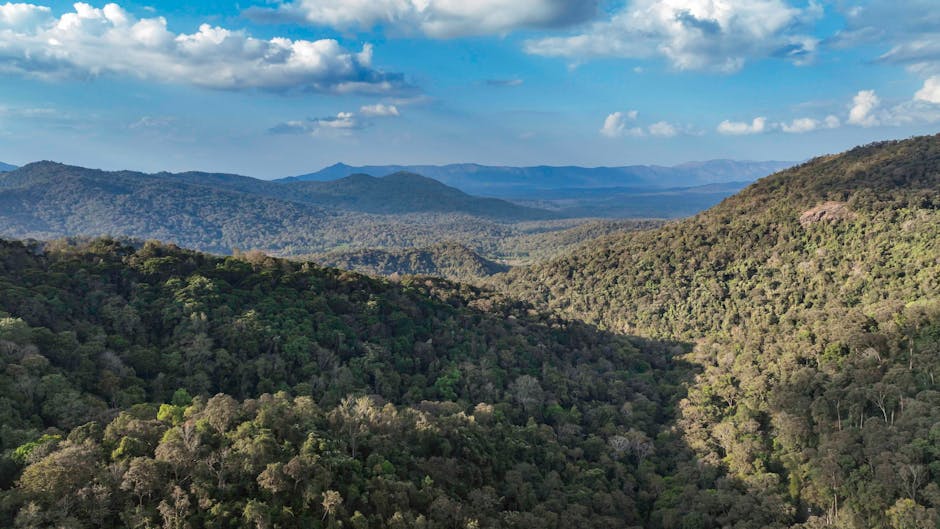
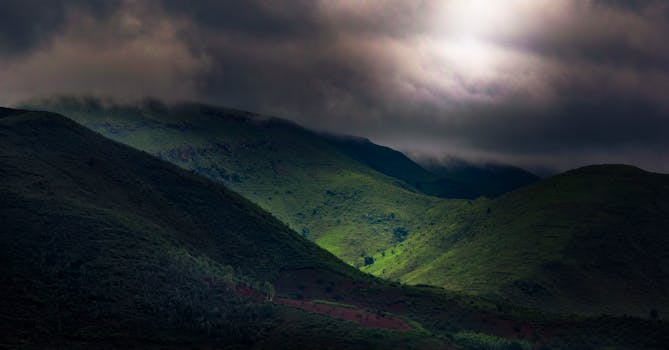
I still remember my first sunrise at Amarkantak, standing by the Narmada Udgam Temple as the first rays of light kissed the misty hills, and the gentle sound of flowing water felt like a sacred hymn. Nestled at the meeting point of the Vindhya and Satpura ranges in Madhya Pradesh, Amarkantak is often called the "King of Pilgrimages" for its spiritual significance as the origin of the holy Narmada River. Beyond its religious allure, it offers lush forests, cascading waterfalls, and a tranquil vibe that’s hard to find elsewhere. This hidden gem is perfect for families seeking peace, couples craving a romantic escape, and adventurers eager to explore offbeat trails. In this guide, you'll discover the top attractions, practical tips for budget travel to Amarkantak, and curated itineraries to make the most of your visit. For similar serene vibes, check our Manali guide.
Why Visit Amarkantak? (Key Highlights)
- Spiritual Haven: Home to the sacred origin of the Narmada River, revered by millions.
- Nature’s Paradise: Surrounded by dense forests, waterfalls, and panoramic hill views.
- Cultural Depth: Ancient temples and ashrams offer a glimpse into India’s spiritual heritage.
- Offbeat Charm: Far from commercialized tourist traps, it’s a peaceful retreat.
- Adventure Ready: Trekking to spots like Kapil Dhara is a hidden thrill.
- Affordable Getaway: Budget-friendly stays and local food make it accessible for all.
- Unique Fact: During my visits, I learned from locals that Amarkantak is one of the few places in India where three rivers—Narmada, Sone, and Johila—originate within a small radius.
Top Attractions in Amarkantak
1. Narmada Udgam Temple
A sacred site marking the origin of the Narmada River, this temple is a spiritual cornerstone with serene surroundings. Entry is free; visit early morning for a peaceful experience. Insider Tip: Attend the morning aarti to feel the divine energy.
2. Kapil Dhara Waterfall
A stunning 24-meter waterfall on the Narmada, ideal for nature lovers. Entry fee: INR 20 per person (2026 estimate). Best time: Post-monsoon (July–October) for full flow. Insider Tip: Carry a raincoat during monsoon; the mist can drench you!
3. Dudh Dhara Waterfall
Another mesmerizing fall on the Narmada, known for its milky white cascade. Entry fee: INR 20. Best time: July–October. Insider Tip: The short trek to reach it offers great photo spots.
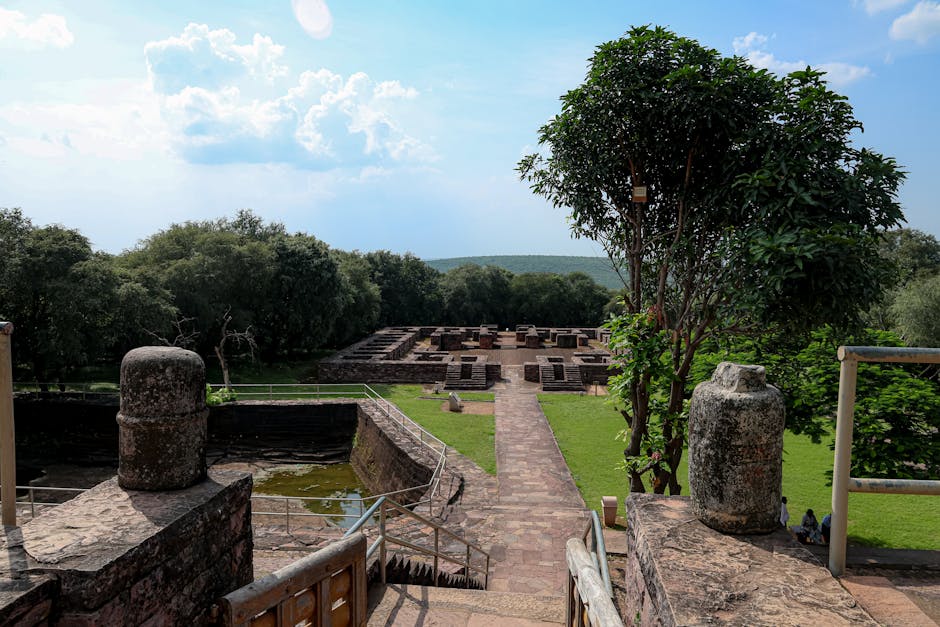
4. Ancient Temples of Kalachuri Period
A cluster of 10th-century temples showcasing intricate carvings. Entry: Free. Best time: Anytime, though mornings are cooler. Insider Tip: Hire a local guide for historical insights.
5. Sonmuda
The origin point of the Sone River, offering scenic views and tranquility. Entry: Free. Best time: October–March. Insider Tip: Perfect for a quiet picnic with family.
6. Mai Ki Bagiya
A beautiful garden dedicated to Goddess Narmada, with medicinal plants and serene vibes. Entry: INR 10. Best time: Early morning. Insider Tip: Look for the ancient banyan tree; locals believe it’s wish-granting.
7. Kabir Chabutra
A peaceful spot linked to the saint-poet Kabir, ideal for meditation. Entry: Free. Best time: Anytime. Insider Tip: Sit here during sunset for a soulful experience.
8. Jwaleshwar Mahadev Temple
A revered Shiva temple near the Narmada’s origin with a calming aura. Entry: Free. Best time: During Shivratri for festivities. Insider Tip: Offer water from the Narmada for blessings.
9. Sarvodaya Jain Temple
A modern architectural marvel with intricate designs and peaceful surroundings. Entry: Free. Best time: Morning. Insider Tip: Photography is allowed; capture the stunning glasswork.
10. Achanakmar Wildlife Sanctuary
A nearby reserve (40 km away) for wildlife enthusiasts, home to leopards and deer. Entry fee: INR 300 per person. Best time: November–February. Insider Tip: Book a guided safari in advance for safety.
Detailed Guides for Top 3 Attractions
Narmada Udgam Temple
- History: Believed to be the origin of the Narmada River, this site holds immense spiritual value, with references in ancient texts like the Puranas.
- Things to See/Do: Witness the river’s source in a small kund (pond), attend the aarti, and explore nearby shrines.
- Nearby Spots: Mai Ki Bagiya and Jwaleshwar Mahadev Temple are within walking distance.
- Location & How to Reach: Located in central Amarkantak; easily accessible by auto or on foot from most stays.
- Insider Tip: On my last visit, I learned from a priest that bathing in the kund before sunrise is considered especially auspicious.
Kapil Dhara Waterfall
- History: Named after Sage Kapil, who is said to have meditated here, this spot is steeped in mythology.
- Things to See/Do: Admire the 24-meter fall, take a short trek, and enjoy photography amidst lush greenery.
- Nearby Spots: Dudh Dhara Waterfall is just 6 km away.
- Location & How to Reach: 8 km from Amarkantak town; hire a local taxi (INR 300 round trip) or trek if you’re fit.
- Insider Tip: I always pack snacks; there are no stalls nearby, and the spot is perfect for a quiet picnic.
Dudh Dhara Waterfall
- History: The name means "stream of milk," inspired by the white, frothy water cascading down the rocks.
- Things to See/Do: Enjoy the scenic beauty, take a dip in safe areas, and capture panoramic views.
- Nearby Spots: Kapil Dhara is close by; combine both in a half-day trip.
- Location & How to Reach: 9 km from Amarkantak; accessible via taxi or personal vehicle.
- Insider Tip: During my monsoon visit, I noticed the path gets slippery—wear sturdy shoes with grip.
How to Reach Amarkantak
Amarkantak is well-connected despite its remote location. The nearest railway station is Pendra Road (17 km away), with trains from major cities like Jabalpur (220 km, 5 hours, INR 300–500 per ticket in 2026). The nearest airport is in Jabalpur (Dumna Airport, 230 km), with flights from Delhi and Mumbai (approx. INR 5,000–7,000 one-way). From Jabalpur, hire a cab (INR 4,000–5,000) or take a bus (INR 400–600, 6–7 hours). By road, Amarkantak is 320 km from Raipur (7 hours, INR 6,000 by cab). Driving in hilly areas requires caution—stick to daylight hours, carry spare tires, and refuel at Pendra. Shared taxis from Pendra Road to Amarkantak cost around INR 50–100 per person.
Multi-Day Road Trip Circuits from Major Cities
Since Jabalpur is the most popular gateway to Amarkantak due to its airport and rail connectivity, I’ve designed these circuits starting from there. These multi-day road trips blend Amarkantak with nearby destinations for diverse experiences.
Classic Central India Circuit: Spirituality + Nature
- Stops & Sequence: Jabalpur → Bhedaghat (30 km, 1 hr) → Amarkantak (230 km, 5 hrs) → Kanha National Park (160 km, 4 hrs) → Back to Jabalpur (270 km, 6 hrs).
- Why This Sequence: Bhedaghat’s marble rocks are a scenic stop en route to Amarkantak; Kanha adds wildlife adventure before looping back.
- Total Duration: 6–7 days.
- Best For: Families and nature enthusiasts.
- Tips: NH 30 to Amarkantak is well-maintained; book Kanha safaris in advance; monsoon can cause delays—check weather updates.
Extended Adventure Circuit: Hills + Wildlife + Heritage
- Stops & Sequence: Jabalpur → Bhedaghat (30 km, 1 hr) → Amarkantak (230 km, 5 hrs) → Achanakmar Wildlife Sanctuary (40 km, 1 hr) → Bandhavgarh National Park (200 km, 5 hrs) → Khajuraho (240 km, 5 hrs) → Back to Jabalpur (400 km, 8 hrs).
- Why This Sequence: Covers spiritual Amarkantak, wildlife at Achanakmar and Bandhavgarh, and heritage at Khajuraho in a logical loop.
- Total Duration: 9–11 days.
- Best For: Adventurers and history buffs.
- Tips: Carry cash for smaller stops; roads to Bandhavgarh have tolls (INR 100–200); avoid monsoon for wildlife parks.
Budget/Quick Circuit: Spiritual Escape
- Stops & Sequence: Jabalpur → Amarkantak (230 km, 5 hrs) → Back to Jabalpur via Pendra Road (230 km, 5 hrs).
- Why This Sequence: Direct route focusing solely on Amarkantak, minimizing travel time and cost.
- Total Duration: 3–4 days.
- Best For: Budget travelers and short getaways.
- Tips: Use shared taxis or buses from Jabalpur (INR 400–600); book budget stays in Amarkantak in advance.
Offbeat Circuit: Hidden Gems of Madhya Pradesh
- Stops & Sequence: Jabalpur → Bhedaghat (30 km, 1 hr) → Amarkantak (230 km, 5 hrs) → Pachmarhi (300 km, 7 hrs) → Back to Jabalpur (200 km, 5 hrs).
- Why This Sequence: Combines lesser-known Pachmarhi (the "Queen of Satpura") with Amarkantak for a unique hill station duo.
- Total Duration: 7–8 days.
- Best For: Couples and offbeat explorers.
- Tips: Roads to Pachmarhi are scenic but narrow; refuel at major towns; winter is ideal for this circuit.
Note: These circuits can be customized; always check live road conditions via Google Maps or Madhya Pradesh tourism apps.
Best Time to Visit Amarkantak
Amarkantak shines year-round, but each season offers a unique charm. Summer (March–May) sees temperatures of 20–30°C, perfect for sightseeing without crowds. Monsoon (June–September) transforms the region into a lush paradise with waterfalls at their peak, though expect 25–35°C and slippery trails. Winter (October–February) is the best time to visit Amarkantak, with cool 10–20°C weather, ideal for treks and temple visits. Shoulder seasons (February–March, October) balance pleasant weather and fewer tourists. Based on 2026 trends, winters may get slightly colder due to climate shifts—pack layers.
Where to Stay in Amarkantak – Recommendations
- Budget: Shri Sai Guest House (near Narmada Udgam) offers clean rooms at INR 1,000–1,500 per night (2026 estimate). I’ve stayed here; it’s basic but homely. Book via Booking.com for deals.
- Mid-Range: Hotel Shree Mata Sadan (central Amarkantak) has comfy rooms with views at INR 2,500–3,500. Great staff and food; I loved their thalis. Book via Booking.com for deals.
- Luxury: MPT Holiday Homes (near Mai Ki Bagiya) offers premium stays at INR 5,000–7,000. I found their location serene for unwinding. Book via Booking.com for deals.
- Curated Stays: Browse unique stays on Unpaqd: Browse Unpaqd stays in Amarkantak
Trip Cost Breakdown (5-Day Trip for 2 People)
| Category | Cost (INR, 2026 Estimate) |
|---|---|
| Transport (Jabalpur to Amarkantak, round trip cab) | 8,000 |
| Stay (Mid-range, 4 nights) | 10,000 |
| Food (Local meals, 5 days) | 3,000 |
| Activities (Entry fees, local transport) | 1,500 |
| Miscellaneous (Shopping, tips) | 1,000 |
| Total | 23,500 |
Suggested Itineraries
3-Day Quick Trip
- Day 1 (Arrival & Spirituality): Reach Amarkantak by noon, check in, visit Narmada Udgam Temple (evening aarti). Budget tip: Eat at local dhabas (INR 100/meal).
- Day 2 (Nature Day): Morning at Kapil Dhara and Dudh Dhara Waterfalls (8 AM–1 PM), afternoon at Mai Ki Bagiya. Pack lunch to save time.
- Day 3 (Culture & Departure): Visit Ancient Kalachuri Temples and Sonmuda early morning, depart by noon.
5-Day Immersive Experience
- Day 1 (Arrival): Arrive, relax, evening at Narmada Udgam Temple.
- Day 2 (Waterfalls): Full day at Kapil Dhara and Dudh Dhara; start at 7 AM to avoid heat.
- Day 3 (Spirituality): Morning at Jwaleshwar Mahadev, afternoon at Kabir Chabutra and Mai Ki Bagiya.
- Day 4 (Wildlife): Day trip to Achanakmar Wildlife Sanctuary (book safari, leave by 5 AM).
- Day 5 (Departure): Visit Sarvodaya Jain Temple, shop for local herbs, depart.
Ideal For
- Families: Safe, serene, with cultural and nature spots for all ages.
- Couples: Romantic waterfalls and quiet sunset points like Sonmuda.
- Solo Adventurers: Offbeat treks and spiritual exploration await.
- Spiritual Seekers: Sacred river origins and temples offer deep connection.
Safety, Permits & Local Etiquette
Amarkantak is generally safe, but hilly terrains demand caution—stick to marked paths near waterfalls. No permits are needed for major attractions, though Achanakmar Sanctuary requires safari bookings. Prepare for sudden weather changes; carry rain gear in monsoon and jackets in winter. Solo female travelers should avoid isolated areas after dark—I’ve always felt safe in town areas during my trips. Respect local customs: dress modestly at temples, don’t litter, and ask before photographing locals. Tipping guides (INR 50–100) is appreciated.
Hidden Tips from 20+ Years of Travel
- Visit Narmada Udgam at 5 AM for a surreal, crowd-free experience.
- Buy local herbal products near Mai Ki Bagiya—great for souvenirs.
- Avoid weekends at waterfalls; mid-week visits are quieter, as I’ve noticed.
- Bargain politely with auto drivers; fixed rates are rare here.
- Carry cash—ATMs are limited, and card payments aren’t always accepted.
- Chat with ashram residents for untold stories about Amarkantak’s history.
- Pack mosquito repellent; evenings near rivers can get buggy.
- My gem: During Sharad Purnima, locals host a small fair near the temples—don’t miss it if you’re around in October.
Frequently Asked Questions
Q: What are the top things to do in Amarkantak?
Amarkantak offers a blend of spirituality and nature. Key activities include visiting the Narmada Udgam Temple for its sacred aura, trekking to Kapil Dhara and Dudh Dhara Waterfalls for stunning views, and exploring ancient Kalachuri temples for history. Don’t miss a quiet evening at Sonmuda or a safari at Achanakmar Wildlife Sanctuary if time permits.
Q: How to reach Amarkantak from major cities?
Amarkantak is accessible via Pendra Road railway station (17 km), with connections from Jabalpur (220 km). The nearest airport is Jabalpur (230 km), with flights from Delhi and Mumbai, followed by a cab or bus ride. By road, it’s 320 km from Raipur or 230 km from Jabalpur, taking 5–7 hours. Shared taxis and buses are budget-friendly options from nearby towns.
Q: Is Amarkantak safe for solo travelers?
Yes, Amarkantak is generally safe for solo travelers, including women, especially in central areas. Stick to well-trodden paths, avoid isolated spots after dark, and respect local customs by dressing modestly. During my solo trips, I’ve felt secure, but I always inform my stay about my plans. Carry a charged phone for emergencies.
Q: What's the best time to visit Amarkantak?
The best time to visit Amarkantak is October to February, when the weather is cool (10–20°C) and ideal for sightseeing and treks. Summer (March–May) is pleasant for temple visits, while monsoon (June–September) showcases lush greenery and full waterfalls, though trails can be slippery. Plan based on your activity preferences.
Q: Do I need permits for Amarkantak attractions?
No permits are required for most attractions like Narmada Udgam or waterfalls in Amarkantak. However, if you plan a safari at Achanakmar Wildlife Sanctuary, you’ll need to book in advance through the forest department or local operators. Always carry ID for verification. I’ve never faced issues, but check updated rules before visiting.
Q: How much does a trip to Amarkantak cost?
A 5-day trip for two to Amarkantak can cost around INR 23,500 (2026 estimate), covering transport, mid-range stays, food, and activities. Budget travelers can reduce costs to INR 15,000 by using shared taxis and guesthouses. Luxury options may push costs to INR 35,000+. Costs vary based on travel mode and season.
Q: What's a sample itinerary for Amarkantak?
For a 3-day Amarkantak itinerary, start with Narmada Udgam Temple on Day 1, followed by an evening aarti. Day 2 can be spent exploring Kapil Dhara and Dudh Dhara Waterfalls, plus Mai Ki Bagiya. On Day 3, visit Kalachuri Temples and depart by noon—perfect for a quick yet immersive trip.
Q: Budget stays in Amarkantak?
For budget travel to Amarkantak, consider Shri Sai Guest House near Narmada Udgam, with rooms at INR 1,000–1,500 per night (2026 estimate). It’s basic but clean, based on my stay. Other options include local dharamshalas near temples, often under INR 1,000. Book early during peak seasons like winter for availability.