Amadubi: Uncover Jharkhand’s Hidden Tribal Gem – Complete Travel Guide
The right stay. At the right price. Every time.
Find your perfect Karnataka stay on Unpaqd — with our AI search feature
Curated 4.5+ rated homestays, price-match guarantee, and zero commissions-so you never overpay or settle. Just describe your ideal stay, and we'll do the rest.
Explore stays on UnpaqdSummary
- Amadubi: A hidden tribal gem in Jharkhand’s serene landscape.
- Perfect for offbeat travelers seeking authentic cultural immersion.
- Peaceful village vibes with stunning natural beauty around.
- Affordable destination with unique art and traditions.
- Ideal for a quiet, soulful weekend escape.
- A rare glimpse into India’s lesser-known rural heritage.
Amadubi
I still remember the first time I stumbled upon Amadubi. It was late afternoon, the golden hour casting a warm glow over the rolling hills of Jharkhand, when my rickety auto-rickshaw rattled down a narrow dirt track off the main road. The driver, a chatty local named Suresh, grinned as he pointed to a cluster of mud houses in the distance. “This is Amadubi, saab. Real India, no tourist crowd!” he declared. I stepped out, the air thick with the earthy scent of rain-soaked soil, and instantly felt a sense of calm wash over me. Children giggled as they played near a hand pump, while women in bright sarees glanced curiously at this outsider. Amadubi isn’t on any glossy travel brochure, and that’s exactly why it’s special. This tiny village, tucked away near Dhalbhumgarh, is a living canvas of tribal art, ancient traditions, and untouched simplicity. From the intricate Chhau dance masks to the soulful stories painted on mud walls, it’s a place that whispers history in every corner. Stick with me, and I’ll show you how to uncover the quiet magic of this forgotten treasure.
Why Visit Amadubi?
- Tribal Art Haven — Witness the rare Pyatkar paintings, a traditional scroll art form depicting folklore on mud walls, unique to this region.
- Cultural Immersion — Engage with the Santhal and Munda communities, whose warm hospitality and storytelling sessions by bonfires are unforgettable.
- Chhau Dance Legacy — Amadubi is a cradle of the ancient Chhau martial dance, with local artisans crafting intricate masks for performances.
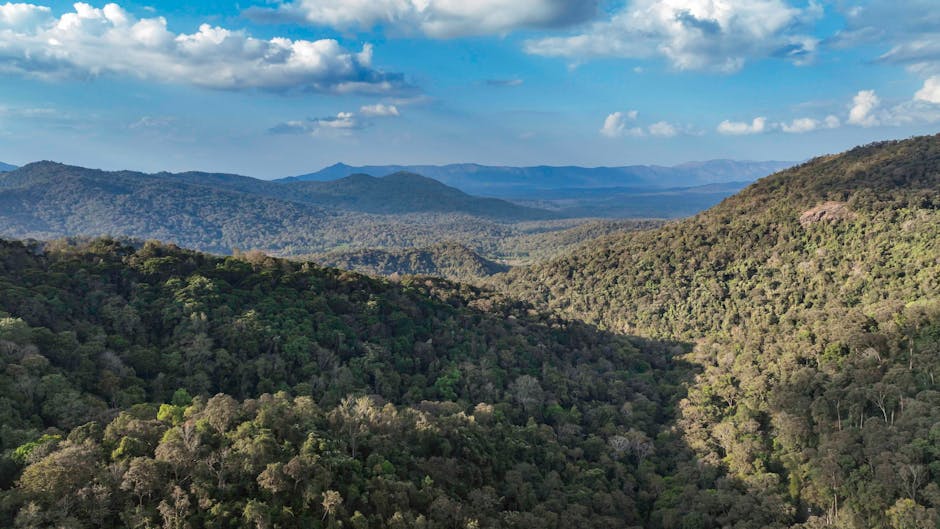
- Scenic Simplicity — Surrounded by lush forests and gentle hills, it’s a paradise for quiet walks and nature photography.
- Off-the-Grid Peace — Far from urban chaos, this village offers a digital detox with no Wi-Fi or tourist traps.
- Affordable Exploration — Experience authentic rural life without burning a hole in your pocket, with local meals costing under Rs 100.
- Hidden Gem Status — Barely known even to seasoned travelers, Amadubi lets you claim bragging rights as a true explorer.
Top Things to Do & See
Pyatkar Painting Workshops
Step into the world of ancient storytelling through these mesmerizing scroll paintings on mud walls. Insider tip: Visit artist Ramesh Das’s small hut near the village center—he often teaches visitors the basics for just Rs 200.
Chhau Mask Making
Watch skilled artisans carve intricate masks used in the traditional Chhau dance, a blend of martial arts and theater. Insider tip: Ask for artisan Biren Mahato near the weekly haat (market); he’ll show you his craft if you buy a small mask for Rs 300.
Village Walks
Stroll through Amadubi’s narrow lanes, passing mud houses adorned with tribal motifs and friendly locals. Insider tip: Start early around 6 AM near the central banyan tree to catch villagers heading to the fields.
Local Haat Experience
Dive into the vibrant weekly market held every Wednesday near the village school, buzzing with fresh produce and handmade crafts. Insider tip: Bargain for tribal jewelry—silver anklets start at Rs 500 if you haggle politely.
Forest Trails
Explore the surrounding Sal forests with short treks that reveal hidden streams and birdlife. Insider tip: Hire local guide Manoj from near the tea stall for Rs 150—he knows secret spots for spotting deer.
Cultural Performances
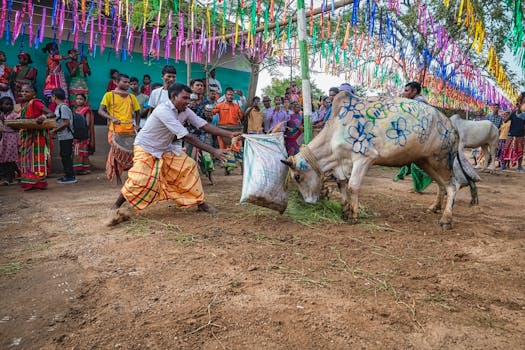
Catch an impromptu Chhau dance or Santhal folk song session during festivals or by request at the village akhra (community space). Insider tip: Contribute Rs 100–200 to the performers as a gesture of appreciation; they’ll invite you for tea afterward.
How to Reach Amadubi
Amadubi lies in the East Singhbhum district of Jharkhand, about 65 km from Jamshedpur, the nearest major city. If you’re flying in, the closest airport is Birsa Munda Airport in Ranchi, roughly 180 km away. From Ranchi, you can hop on a train or bus to Jamshedpur’s Tatanagar Junction, which is well-connected with direct trains like the Howrah-Tatanagar Express. A train ticket from Ranchi to Jamshedpur costs around Rs 150–300 depending on the class.
From Jamshedpur, the best route is via NH-33 towards Dhalbhumgarh, a small town 55 km away. The drive takes about 1.5 hours, passing through scenic stretches of forest and small villages. Taxis from Tatanagar Junction to Dhalbhumgarh charge around Rs 1,200–1,500 for a one-way trip. If you’re on a budget, shared autos are available near the station for Rs 100 per person, though they’re cramped and stop frequently. From Dhalbhumgarh, Amadubi is just 10 km further. Local auto-rickshaws ply this route for Rs 30–50 per head, or you can hire one privately for Rs 200. The road here turns into a narrow, bumpy track, so brace yourself for a rustic ride. A tip: Carry small change for these short rides, as drivers rarely have change for larger notes. If driving, watch for the signboard near Dhalbhumgarh pointing to Amadubi—there’s a small chai stall called “Maa Tara Tea Point” right at the turnoff as a landmark.
Best Time to Visit
Amadubi shines brightest between October and March, when the weather is cool and pleasant, with temperatures ranging from 15°C to 25°C. This is peak season for cultural festivals like Sohrai and Baha, where you’ll see vibrant tribal celebrations. April to May can get hot, with temperatures climbing to 35°C, but the shoulder season still offers quieter trails and fewer visitors. Monsoon, from June to September, transforms the village into a lush green haven, though roads can get muddy and slippery—carry sturdy footwear if you visit then. Winter mornings often have a light mist, perfect for photography, but pack a light jacket as it gets chilly at night.
Where to Stay
Accommodation in Amadubi is limited and rustic, reflecting the village’s offbeat charm. Here are a few options catering to different budgets, mostly in and around Dhalbhumgarh since Amadubi itself has minimal facilities.
- Budget: Tribal Homestay (Amadubi Village) — Stay with a local family in a mud house for an authentic experience. Basic rooms with shared bathrooms cost Rs 500–700 per night. Meals are often included for an extra Rs 100 per person. Book through local contacts or ask at Dhalbhumgarh’s market.
- Mid-Range: Hotel Green Valley (Dhalbhumgarh) — Located 10 km from Amadubi, this simple lodge offers clean rooms with attached bathrooms for Rs 1,200–1,500 per night. It’s a decent base if you prefer some comfort after a day in the village.
- Boutique: Eco Retreat Jharkhand (Near Dhalbhumgarh) — For a slightly upscale experience, this retreat offers cottages with views of the hills for Rs 2,500–3,000 per night. It’s 15 km from Amadubi, ideal for those who want nature with amenities like hot water and guided tours.
Trip Cost Breakdown (3-Day Trip for 2 People)
| Item | Cost |
|---|---|
| Accommodation (Mid-Range at Hotel Green Valley) | Rs 4,500 |
| Food (Local meals and snacks) | Rs 1,800 |
| Transport (Taxi from Jamshedpur + local autos) | Rs 3,000 |
| Activities (Guides, workshops, small purchases) | Rs 1,200 |
| Total | Rs 10,500 |
Suggested Itineraries
- 2-Day Quick Escape
- Day 1: Arrive in Amadubi by noon via Jamshedpur. Check into a homestay or Dhalbhumgarh hotel. Spend the afternoon on a village walk (2–4 PM) and visit a Pyatkar artist’s home. Evening cultural performance at the akhra (7–9 PM).
- Day 2: Early morning forest trail with a guide (6–8 AM). Explore the local haat if it’s market day (9–11 AM). Return to Jamshedpur by afternoon after lunch at a roadside dhaba.
- 3-Day Deep Dive
- Day 1: Reach Amadubi by midday. Settle into accommodation. Take a leisurely village walk (3–5 PM) and interact with locals. Evening storytelling or Chhau mask-making demo (6–8 PM).
- Day 2: Start with a forest trek (6–9 AM). Visit the weekly haat or explore more tribal art workshops (10 AM–1 PM). Afternoon rest, followed by a cultural performance (7–9 PM).
- Day 3: Spend the morning learning basic Pyatkar painting with an artist (8–11 AM). Shop for souvenirs like masks or jewelry (11 AM–1 PM). Depart for Jamshedpur by 2 PM.
Ideal For
- Culture enthusiasts eager to learn about tribal traditions and art forms.
- Nature lovers looking for serene landscapes and short forest treks.
- Offbeat travelers craving authentic, non-commercialized experiences.
- Budget explorers seeking meaningful trips without splurging.
- Photographers aiming to capture rural life and tribal aesthetics.
Safety, Permits & Local Etiquette
- Inner Line Permit: Not required for Amadubi, as it’s accessible to all Indian citizens and foreign tourists without restrictions.
- Mobile Connectivity: Network coverage is patchy. BSNL works sporadically in the village center, but don’t rely on data. Dhalbhumgarh, 10 km away, has better connectivity.
- Solo Female Traveller: Generally safe during the day with friendly locals. Stick to populated areas, dress modestly, and avoid isolated trails at night. Travel with a local guide for added comfort.
- Do's & Don'ts: Respect tribal customs—ask before photographing people or homes. Don’t litter in the village or forests. Dress conservatively to blend in. Carry cash, as digital payments aren’t accepted.
Hidden Tips Only Repeat Visitors Know
- Visit during the Sohrai festival in winter for harvest celebrations with incredible tribal dances—dates vary, so ask locals in Dhalbhumgarh.
- Buy handmade Chhau masks directly from artisans rather than middlemen in Jamshedpur; you’ll save at least Rs 200 per piece.
- Carry mosquito repellent for evening walks—forests around Amadubi can get buggy after dusk.
- Stop by “Bhaiya’s Chai Stall” near Dhalbhumgarh bus stand for the best ginger tea (Rs 10) and local gossip about Amadubi events.
- If you’re into birdwatching, bring binoculars—early mornings near the forest reveal rare species like the Indian roller.
- Bargain gently at the haat for tribal crafts, but don’t push too hard—locals value respect over a few rupees.
- Pack light snacks; food options in Amadubi are limited to basic meals at homestays or small dhabas.
- Learn a few Santhal phrases like “Johar” (hello) from locals—it breaks the ice instantly during interactions.
Frequently Asked Questions
Q: Is Amadubi worth visiting?
Absolutely, if you’re into authentic cultural experiences. Amadubi offers a rare peek into tribal life, art, and traditions far from touristy clutter. It’s perfect for those who value meaningful travel over luxury. You’ll leave with stories few others have.
Q: How many days are enough for Amadubi?
A 2-day trip covers the basics—village walks, art, and local interactions. However, 3 days allow a deeper dive into cultural performances and forest treks. Don’t rush; the slow pace is part of the charm. Anything more might feel repetitive unless a festival is on.
Q: Is Amadubi safe for solo female travellers?
Yes, it’s relatively safe during the day with welcoming locals. Stick to populated areas, avoid late-night walks in isolated spots, and dress modestly to respect customs. Pairing up with a local guide adds an extra layer of comfort.
Q: Which is better — Amadubi or Hampi?
It depends on your vibe. Amadubi is for quiet, cultural immersion in tribal life with minimal crowds. Hampi offers grand ruins and history but is far more touristy. Pick Amadubi for intimacy, Hampi for epic scale.
Q: Do I need permits for Amadubi?
No permits are required for Amadubi. It’s open to all Indian and foreign visitors without restrictions. Just carry a valid ID for general travel purposes. Check local advisories if you’re venturing into nearby forested areas.
Q: Is Amadubi expensive?
Not at all—Amadubi is incredibly budget-friendly. A 3-day trip for two can cost under Rs 11,000, covering stay, food, and local transport. Meals are cheap (Rs 50–100), and activities like workshops are nominal. It’s a steal for the experience.