Agumbe Rainforest: India’s Hidden Green Gem – Complete Travel Guide
The right stay. At the right price. Every time.
Find your perfect Meghalaya stay on Unpaqd — with our AI search feature
Curated 4.5+ rated homestays, price-match guarantee, and zero commissions-so you never overpay or settle. Just describe your ideal stay, and we'll do the rest.
Explore stays on UnpaqdSummary
- Agumbe Rainforest: A true hidden gem in Karnataka.
- Perfect for offbeat travelers seeking untouched nature.
- Known as the Cherrapunji of the South.
- Serene, peaceful escape from crowded tourist traps.
- Offers incredible value for money on a budget.
- Ideal for wildlife enthusiasts and monsoon lovers.
Agumbe Rainforest
I still remember the first time I stumbled upon Agumbe Rainforest. It was late afternoon, the sky heavy with monsoon clouds, and I’d just gotten off a rickety bus at the edge of this tiny village in Karnataka’s Shimoga district. The air was thick with the scent of wet earth, and as I walked towards the forest, a local chaiwallah near the bus stop warned me with a grin, “Watch out for the king cobras, saab!” I laughed it off, but the thrill of the unknown had already gripped me. Within minutes, the dense canopy swallowed me whole, and the world outside ceased to exist—only the sound of dripping leaves and distant frog calls remained.
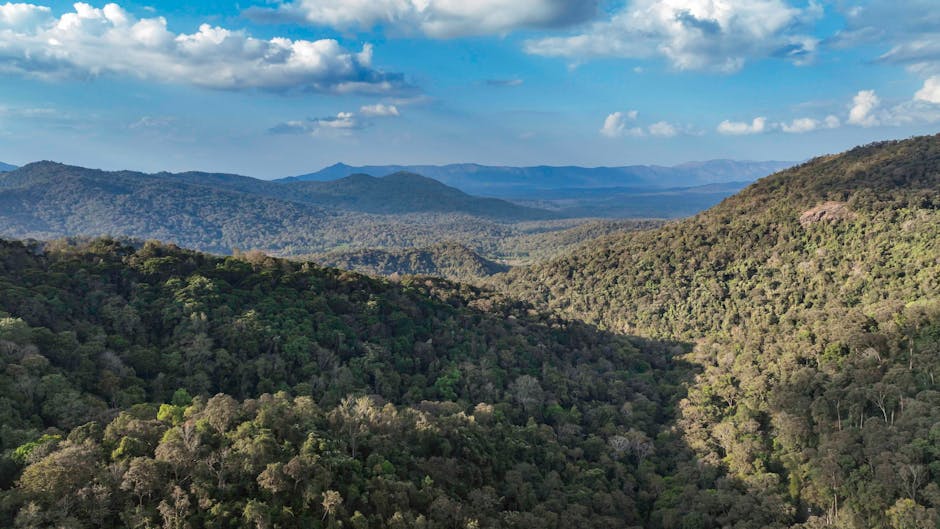
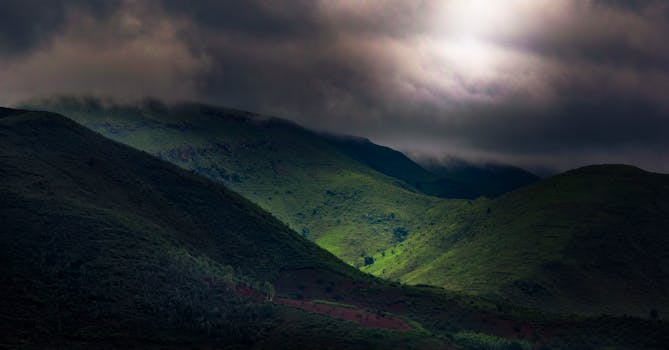
Agumbe is criminally underrated, often overshadowed by more commercialized spots like Coorg or Munnar. Yet, it’s one of India’s last remaining lowland rainforests, a biodiversity hotspot brimming with rare species like the Malabar gliding frog and the elusive lion-tailed macaque. What makes it truly special is its raw, unpolished charm—there are no fancy resorts or tourist gimmicks here, just pure, untamed wilderness. Whether it’s trekking through slippery trails or simply soaking in the silence at sunset points, Agumbe offers an intimacy with nature that’s hard to find elsewhere. Stick with me, and I’ll walk you through everything you need to uncover this magical corner of the Western Ghats.
Why Visit Agumbe Rainforest?
- Biodiversity Haven — Home to over 200 species of birds and unique reptiles like the king cobra.
- Monsoon Magic — Receives some of the heaviest rainfall in South India, transforming it into a lush paradise.
- Cultural Connection — Experience authentic Malnad village life with locals who still follow age-old traditions.
- Scenic Vistas — Offers breathtaking views of the Western Ghats from spots like Onake Abbi Falls.
- Wildlife Research — Hosts the Agumbe Rainforest Research Station, a hub for herpetology studies.
- Tranquil Escape — Far from urban chaos, it’s a place to unplug and recharge in nature’s lap.
- Photographer’s Dream — Mist-covered hills and vibrant flora make every frame a postcard.
Top Things to Do & See
Onake Abbi Falls
A hidden cascade surrounded by dense forest, this waterfall is a surreal reward after a moderate trek. Insider tip: Visit just after sunrise when the mist lingers, and you might spot rare birds near the base.
Barkana Falls
One of the tallest waterfalls in Karnataka, Barkana plunges dramatically amidst towering trees. Insider tip: Carry a raincoat even on clear days—sudden showers are common, and the trail gets slippery.
Sunset View Point
Perched on a cliff, this spot offers panoramic views of the Ghats bathed in golden hues. Insider tip: Arrive by 5:30 PM to snag a quiet corner before local picnickers show up.
Agumbe Rainforest Research Station
A fascinating center for wildlife studies, especially focused on snakes and amphibians. Insider tip: Chat with researchers over evening tea—they often share unpublished stories of their encounters.
Kundadri Hill
A short drive away, this hilltop offers a spiritual retreat with a Jain temple and sweeping valley views. Insider tip: Visit during early morning for a magical fog blanket over the landscape.
Jogi Gundi Falls
A lesser-known waterfall tucked deep in the forest, perfect for a quiet dip. Insider tip: Ask locals for the exact trail near Agumbe village—there are no signboards, and GPS often fails.
How to Reach Agumbe Rainforest
Getting to Agumbe Rainforest requires a bit of planning, but the journey itself is half the adventure. The nearest major city is Mangalore, about 100 km away. If you’re flying in, Mangalore International Airport (IXE) is well-connected with flights from Bangalore, Mumbai, and Delhi. From there, you can hire a taxi for around Rs 2,500–3,000 for a one-way trip to Agumbe village, which takes about 2.5 hours via NH-169. Watch for the scenic ghat sections after Thirthahalli—hairpin bends and lush greenery make it a drive to remember.
If trains are more your style, the closest railway station is Udupi, roughly 55 km away, with good connectivity to Bangalore and Mumbai. From Udupi, local buses ply to Agumbe via Hebri for about Rs 80–100 per person, taking around 1.5 hours. Alternatively, hire an auto-rickshaw for Rs 800–1,000 if you prefer a quicker ride. For road-trippers, take NH-66 from Mangalore towards Udupi, then switch to NH-169A at Hebri towards Agumbe. The roads are narrow but well-maintained, with small eateries like Hotel Sri Durga near Hebri for a quick dosa stop (Rs 30 per plate).
Once in Agumbe village, most forest trails and attractions are within 5–10 km, accessible by foot or hired autos (Rs 200–300 for short trips). Tip: Fuel stations are sparse after Hebri, so tank up before heading into the hills. Also, download offline maps—network drops frequently in the forest zones.
Best Time to Visit
Agumbe Rainforest shines brightest during the monsoon, from June to September, when rainfall averages 7,000–8,000 mm, earning it the nickname Cherrapunji of the South. The forest comes alive with vibrant greens, gushing waterfalls, and a symphony of frogs. However, treks can be challenging due to leeches and slippery paths, so pack accordingly. Temperatures hover between 20–25°C, but humidity is high.
For a more comfortable visit, aim for the post-monsoon shoulder season of October to November, when the air is crisp (18–22°C), and the landscape retains its lush charm with fewer crowds. Winter, from December to February, is pleasant too, with temperatures dropping to 15–20°C, ideal for long treks and wildlife spotting. Avoid the scorching summer months of March to May unless you’re prepared for heat (up to 30°C) and dry trails.
Where to Stay
Accommodation in Agumbe is limited but charming, mostly centered around Agumbe village or nearby Thirthahalli. Here are my picks across budgets:
- Budget: Mallya Residency (Agumbe Village) — A no-frills guesthouse with clean rooms at Rs 800–1,000 per night. Basic amenities, but the location is perfect for early morning forest walks. Book ahead as they fill up fast during weekends.
- Mid-Range: Dodda Mane Homestay (Agumbe Village) — A traditional Malnad-style home offering warm hospitality and home-cooked meals. Rooms start at Rs 1,500–2,000 per night, including breakfast. Their coffee is to die for.
- Boutique: Kalinga Centre for Rainforest Ecology (Near Agumbe) — An eco-lodge focused on conservation, with cozy cottages at Rs 3,000–4,000 per night. They organize guided treks and wildlife talks, making it worth the splurge.
Trip Cost Breakdown (3-Day Trip for 2 People)
| Item | Cost |
|---|---|
| Accommodation (Mid-Range) | Rs 4,500 |
| Food (Local Eateries & Homestay Meals) | Rs 2,000 |
| Transport (Taxi from Mangalore + Local Autos) | Rs 3,500 |
| Activities (Guided Treks & Entry Fees) | Rs 1,000 |
| Total | Rs 11,000 |
Suggested Itineraries
- 2-Day Quick Escape
- Day 1: Arrive by noon, check into accommodation in Agumbe village. Post-lunch, trek to Onake Abbi Falls (2 PM–5 PM). Evening at Sunset View Point (5:30 PM–7 PM). Dinner at a local joint like Hotel Ganesh (Rs 100 per meal).
- Day 2: Early morning visit to Barkana Falls (6 AM–10 AM). Return for breakfast, then explore Agumbe Rainforest Research Station (11 AM–1 PM). Depart by afternoon.
- 3-Day Deep Dive
- Day 1: Reach Agumbe by midday, settle into stay. Afternoon trek to Jogi Gundi Falls (2 PM–5 PM). Evening at Sunset View Point (5:30 PM–7 PM). Dinner at homestay.
- Day 2: Morning drive to Kundadri Hill (6 AM–9 AM) for sunrise. Post-breakfast, trek to Barkana Falls (10 AM–2 PM). Afternoon at Onake Abbi Falls (3 PM–5 PM). Relax in the evening.
- Day 3: Visit Agumbe Rainforest Research Station (9 AM–11 AM). Light forest walk nearby (11:30 AM–1 PM). Depart after lunch.
Ideal For
- Nature lovers seeking raw, unspoiled landscapes.
- Wildlife enthusiasts eager to spot rare species.
- Trekkers looking for challenging yet rewarding trails.
- Photographers chasing misty hills and vibrant fauna.
- Solo travelers or small groups wanting peaceful getaways.
Safety, Permits & Local Etiquette
- Inner Line Permit: Not required for Indian nationals. Foreign visitors should carry valid visas and passports, as forest checkposts may ask for ID.
- Mobile Connectivity: Spotty at best. BSNL works intermittently in Agumbe village, but deeper forest areas have no signal. Inform family before venturing out.
- Solo Female Traveller: Generally safe during the day with locals being friendly. Stick to guided treks, avoid isolated trails after dark, and dress conservatively in villages.
- Do’s & Don’ts: Respect forest rules—no littering or loud music. Wear muted colors to avoid disturbing wildlife. Always carry water and anti-leech socks. Don’t venture off marked paths without a guide.
Hidden Tips Only Repeat Visitors Know
- Visit the tiny Agumbe Post Office for postcards—sending one from this remote spot feels special.
- Buy local honey from roadside stalls near Agumbe village (Rs 150 for 250g)—it’s pure and harvested from forest hives.
- Trek with rubber sandals instead of fancy shoes—they grip better on wet, muddy trails.
- Stop by Sri Malnad Hotel in Agumbe for their akki roti (Rs 40)—a local favorite best paired with chutney.
- Carry cash—ATMs are non-existent, and card payments are rarely accepted.
- Chat with forest guards at checkposts—they often point out lesser-known trails or recent wildlife sightings.
- Pack a small torch—power cuts are common, and nights get pitch dark.
- Time waterfall treks for early morning to avoid sudden rain showers by noon.
Frequently Asked Questions
Q: Is Agumbe Rainforest worth visiting?
Absolutely, if you crave an authentic nature escape. It’s a rare lowland rainforest with unparalleled biodiversity, far from touristy clutter. The serene trails and waterfalls like Barkana make every moment unforgettable. Just be ready for basic facilities and unpredictable weather.
Q: How many days are enough for Agumbe Rainforest?
Two to three days are ideal to soak in the highlights. A 2-day trip covers major waterfalls and viewpoints, while a 3-day itinerary allows deeper forest exploration and local interactions. Any less feels rushed; any more might test your patience with limited amenities.
Q: Is Agumbe Rainforest safe for solo female travellers?
It’s relatively safe during daylight, especially on guided treks or popular trails. Locals are welcoming, but stick to populated areas after dark. Carry a whistle or pepper spray for added security. Avoid isolated paths without informing someone of your plans.
Q: Which is better — Agumbe Rainforest or Coorg?
It depends on your vibe. Agumbe is raw, quiet, and focused on pure rainforest experiences with minimal commercialization. Coorg offers more polished stays, coffee plantations, and accessibility. Choose Agumbe for wilderness; Coorg for a relaxed hill station feel.
Q: Do I need permits for Agumbe Rainforest?
No special permits are needed for Indian citizens to enter Agumbe Rainforest or its trails. Some restricted zones near research stations may require prior permission—check with local guides. Foreign nationals should carry identification for occasional forest department checks. Always stick to designated paths.
Q: Is Agumbe Rainforest expensive?
Not at all—it’s one of the most budget-friendly nature destinations. A 3-day trip for two can cost under Rs 11,000, covering stay, food, and local travel. Accommodation and meals are reasonably priced, and many attractions are free. Just account for transport to reach this remote spot.