Lugnak Valley: Uncover India’s Hidden Himalayan Gem – Travel Guide
Dream it. Describe it. Discover it.
Find your perfect Ladakh stay on Unpaqd — with our AI search feature
Curated 4.5+ rated homestays, price-match guarantee, and zero commissions-so you never overpay or settle. Just describe your ideal stay, and we'll do the rest.
Explore stays on UnpaqdSummary
- Lugnak Valley: A pristine, untouched gem in Ladakh.
- Perfect for offbeat explorers seeking raw beauty.
- Offers serene landscapes away from tourist crowds.
- Budget-friendly with authentic cultural experiences.
- Ideal for trekkers and nature lovers alike.
- A peaceful escape in the Himalayan wilderness.
Lugnak Valley
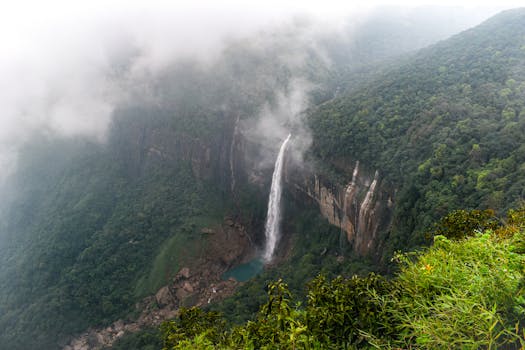
I still remember the first time I stumbled upon Lugnak Valley. It was late afternoon, the golden hour casting long shadows over the barren yet breathtaking terrain of Ladakh. My bike sputtered along a rugged trail off the main Manali-Leh highway, and after hours of navigating dusty switchbacks, I found myself at the edge of a quiet village called Wanla. A local herder, clad in a weathered goncha, pointed me toward a narrow path leading into the valley. His broken Hindi and warm smile made me curious enough to follow. What I discovered was a slice of paradise—rugged cliffs, crystal-clear streams, and an eerie silence only broken by the occasional bleat of a goat. Lugnak Valley, tucked away in the Zanskar region, remains one of Ladakh’s best-kept secrets. Unlike the bustling streets of Leh or the crowded Pangong Lake, this place feels like a world apart, where time slows down, and every view demands a moment of awe. It’s special for its raw, unpolished charm—think ancient monasteries perched on cliffs and trails that lead to nowhere but pure wonder. Stick with me, and I’ll walk you through everything you need to uncover this hidden treasure.
Why Visit Lugnak Valley?
- Untouched Wilderness — Vast, barren landscapes with dramatic cliffs and gushing rivers create a surreal backdrop.
- Cultural Immersion — Interact with Zanskari locals in remote villages like Wanla, living traditions unchanged for centuries.
- Trekking Haven — Home to the challenging yet rewarding Lugnak Trail, a lesser-known route for adventure seekers.
- Monastic Marvels — Ancient monasteries like Phugtal Gompa offer spiritual solace amid stunning surroundings.
- Photographer’s Dream — Capture stark contrasts of arid mountains against vibrant prayer flags fluttering in the wind.
- Escape the Crowds — Unlike Nubra or Pangong, this valley remains blissfully free of tourist chaos.
- Raw Adventure — Navigate rugged terrains and remote paths for an authentic off-road experience.
Top Things to Do & See
Phugtal Monastery
This cliff-hanging gompa, one of the most isolated monasteries in Ladakh, looks like it’s carved straight out of a fantasy novel. Insider tip: Visit during the early morning prayers around 6 AM to witness monks chanting in a surreal setting.
Lugnak Trail Trek
A challenging multi-day trek through stark valleys and high passes, offering jaw-dropping views of the Zanskar range. Insider tip: Hire a local guide from Wanla village for safer navigation and hidden shortcuts.
Wanla Village
A quaint settlement with mud-brick homes and barley fields, giving a glimpse into traditional Zanskari life. Insider tip: Ask for homemade butter tea at a local homestay—it's an acquired taste but worth trying.
Zanskar River Views
The river cuts through the valley like a silver ribbon, framed by towering mountains on either side. Insider tip: Find a quiet spot near Hanupatta village for the best sunset reflections on the water.
Ancient Rock Carvings
Scattered petroglyphs near Sirsir La Pass hint at centuries-old stories etched into stone. Insider tip: Carry a small notebook to sketch or note down coordinates—there’s no signage here.
Wildlife Spotting
Keep an eye out for Himalayan blue sheep or even the elusive snow leopard if you’re incredibly lucky. Insider tip: Early mornings near higher altitudes increase your chances of sightings.
How to Reach Lugnak Valley
Getting to Lugnak Valley is an adventure in itself, requiring a mix of determination and patience. The nearest major hub is Leh, accessible via Kushok Bakula Rimpochee Airport with daily flights from Delhi (round trip fares around Rs 8,000–12,000 per person). From Leh, you’ll need to arrange a private taxi or rent a bike to cover the 140 km journey to Wanla, the gateway to Lugnak Valley. The route follows the Leh-Manali Highway (NH-3) up to Lamayuru, then branches off onto a narrower, bumpy road toward Wanla via the Fotu La Pass. Expect to pay Rs 3,500–4,500 for a one-way taxi or Rs 1,200–1,500 per day for a bike rental in Leh. The drive takes about 4–5 hours, with stops for chai at tiny dhabas like the one near Lamayuru Monastery—don’t miss their hot Maggi for Rs 50 a plate.
If you’re coming from Kargil (110 km away), shared jeeps to Wanla are available for Rs 300–400 per person, though they’re erratic and often overcrowded. The road from Kargil winds along the Suru River, offering stunning views but testing your patience with its potholes. For trekkers, the final stretch into Lugnak Valley starts from Wanla, and you’ll need to hike or hire a local porter (Rs 800–1,000 per day) to carry gear. A tip: Fuel up your vehicle in Leh or Kargil—there are no petrol pumps beyond these points. Also, carry cash; ATMs are non-existent, and card payments are a distant dream.
Best Time to Visit
Lugnak Valley shines brightest between June and September, when the weather is clear, and temperatures hover between 10°C and 25°C during the day, dropping to near freezing at night. This peak season is ideal for trekking and exploring villages, with snow-free trails and vibrant blue skies. Shoulder months like May and October are quieter, though colder (5°C to 20°C), with a chance of sudden snowfall at higher altitudes. Monsoon, from July to August, brings occasional rain, making roads slippery and trekking risky due to landslides. Winter, from November to April, is harsh, with temperatures plummeting to -20°C and heavy snow blocking access. Unless you’re an extreme adventurer with proper gear, stick to the warmer months for a safer, more enjoyable trip.
Where to Stay
Accommodation in Lugnak Valley is basic but charming, reflecting the simplicity of the region. In Wanla Village, budget travelers can opt for homestays like Tsering Homestay, where a shared room with meals costs Rs 800–1,000 per night for two. Expect warm hosts and home-cooked ladakhi meals like thukpa. For a mid-range option, try Wanla Guest House, offering private rooms with attached bathrooms for Rs 1,500–2,000 per night. It’s nothing fancy, but the views of the surrounding mountains are unbeatable. If you’re looking for something more unique, head to Phugtal Monastery Guesthouse near the gompa, a basic yet soulful stay for Rs 1,200 per night, run by monks. Book in advance during peak season by contacting locals through Leh-based travel agents, as spots fill up fast. Carry your own bedding or sleeping bag for extra comfort—nights get chilly even in summer.
Trip Cost Breakdown (3-Day Trip for 2 People)
| Item | Cost |
|---|---|
| Accommodation (3 nights at Rs 1,000/night) | Rs 3,000 |
| Food (meals at Rs 500/day) | Rs 1,500 |
| Transport (taxi from Leh to Wanla & back) | Rs 7,000 |
| Activities (trek guide for 2 days at Rs 1,000/day) | Rs 2,000 |
| Total | Rs 13,500 |
Suggested Itineraries
- 2-Day Quick Escape
- Day 1: Arrive in Wanla by noon via taxi from Leh (4–5 hours). Check into a homestay and explore the village by evening, visiting local barley fields and chatting with residents. Dinner at 7 PM with homemade thukpa.
- Day 2: Start early at 6 AM for a day trek toward Lugnak Trail (4–5 hours round trip). Return by 2 PM, grab a quick lunch, and head back to Leh by 3 PM, reaching by 8 PM.
- 3-Day Deep Dive
- Day 1: Reach Wanla from Leh by 1 PM. Settle into a homestay and spend the afternoon wandering through the village. Catch sunset views near the Zanskar River at 6 PM. Dinner at 8 PM.
- Day 2: Begin a full-day trek on Lugnak Trail at 5:30 AM with a guide, targeting a high vantage point by noon. Return by 4 PM, rest, and enjoy a quiet evening with locals over butter tea at 7 PM.
- Day 3: Visit Phugtal Monastery with a 3-hour trek starting at 6 AM. Spend time exploring the gompa till noon, return to Wanla by 3 PM, and drive back to Leh, arriving by 8 PM.
Ideal For
- Adventure seekers craving challenging treks in remote Himalayan terrain.
- Culture enthusiasts eager to experience authentic Zanskari village life.
- Photographers looking for dramatic, untouched landscapes and unique frames.
- Solo travelers or small groups seeking solitude over crowded tourist spots.
Safety, Permits & Local Etiquette
- Inner Line Permit: Required for Indian nationals visiting certain restricted areas in Ladakh, including parts near Lugnak Valley. Obtain it online or through agents in Leh for Rs 400–500 per person.
- Mobile Connectivity: Network is spotty at best. BSNL works intermittently in Wanla; expect zero coverage deeper in the valley. Carry a satellite phone for emergencies if trekking solo.
- Solo Female Traveller: Generally safe with friendly locals, but stick to guided treks and avoid isolated trails at night. Dress modestly to respect cultural norms.
- Do's & Don'ts: Always ask permission before photographing people or religious sites. Don’t litter—carry trash back. Respect monastery rules by removing shoes and maintaining silence during prayers.
Hidden Tips Only Repeat Visitors Know
- Bargain for taxi fares in Leh—drivers often quote Rs 5,000 one-way to Wanla, but you can bring it down to Rs 3,500 with patience.
- Carry dry fruits and energy bars; food options beyond Wanla are limited to basic dal-rice at small stalls.
- Pack a sturdy pair of trekking boots—flip-flops won’t survive the rocky Lugnak Trail.
- Visit the tiny Dorje Tea Stall in Wanla for gossip and the best ginger tea at Rs 20 a cup.
- If trekking to Phugtal, start before sunrise to avoid midday heat on exposed trails.
- Learn a few Ladakhi phrases like “Juley” (hello)—it opens doors to warmer interactions.
- Carry a water purifier; stream water looks clean but isn’t always safe to drink.
- Stock up on cash in Leh—nearest ATM is over 100 km away in Kargil.
Frequently Asked Questions
Q: Is Lugnak Valley worth visiting?
Absolutely, if you’re after an offbeat experience far from Ladakh’s usual tourist traps. It’s a raw, unspoiled region with stunning landscapes and deep cultural roots. The trek to Phugtal Monastery alone justifies the trip. Just be prepared for basic facilities and rugged travel.
Q: How many days are enough for Lugnak Valley?
A minimum of 2–3 days is ideal to soak in the valley’s essence. Two days work for a quick trek and village visit, while three allow deeper exploration, including Phugtal Monastery. Factor in travel time from Leh as well.
Q: Is Lugnak Valley safe for solo female travellers?
Yes, it’s relatively safe with hospitable locals, but caution is key. Stick to guided treks, avoid isolated areas after dark, and dress conservatively. Partnering with a local guide or group adds an extra layer of security.
Q: Which is better — Lugnak Valley or Nubra Valley?
It depends on your vibe. Lugnak Valley is raw, remote, and perfect for hardcore trekkers or solitude seekers, while Nubra Valley offers easier access, more amenities, and iconic sand dunes. Choose Lugnak for authenticity, Nubra for convenience.
Q: Do I need permits for Lugnak Valley?
Yes, an Inner Line Permit is mandatory for certain areas near Lugnak Valley, as it falls under restricted zones in Ladakh. Apply online or through agents in Leh for a small fee. Carry multiple copies of your ID and permit during travel.
Q: Is Lugnak Valley expensive?
Not at all—it’s quite budget-friendly compared to mainstream Ladakh destinations. A 3-day trip for two can cost around Rs 13,000–15,000, covering transport, stays, and food. Costs rise if you hire guides or porters for treks, but it’s still reasonable.