Badami Caves: Uncover India’s Ancient Rock-Cut Wonder – Complete Guide
Dream it. Describe it. Discover it.
Find your perfect Maharashtra stay on Unpaqd — with our AI search feature
Curated 4.5+ rated homestays, price-match guarantee, and zero commissions-so you never overpay or settle. Just describe your ideal stay, and we'll do the rest.
Explore stays on UnpaqdSummary
- Badami Caves: Karnataka’s hidden architectural treasure.
- Perfect for history buffs and offbeat explorers.
- Serene, uncrowded, and steeped in ancient charm.
- Budget-friendly with unparalleled cultural depth.
- A peaceful escape from touristy circuits.
- Ideal for a soulful weekend getaway.
Badami Caves
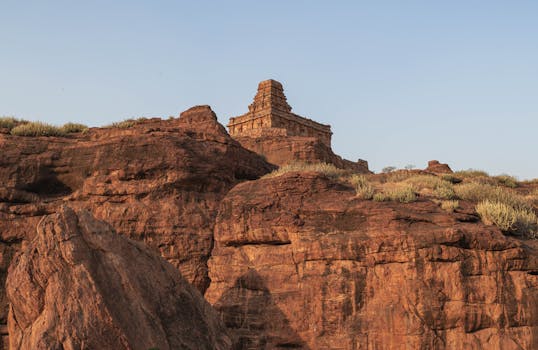
I remember my first glimpse of the Badami Caves vividly. It was late afternoon, the sun casting a warm golden hue over the rugged sandstone cliffs as I trudged up the uneven steps near Agastya Lake. A local vendor, sitting under a faded blue tarpaulin, offered me a glass of tangy buttermilk for just Rs 10, smiling as he pointed to the cave entrances carved high above. Sweat trickled down my forehead, but the sheer scale of those ancient rock-cut temples stopped me in my tracks. How could something so magnificent remain so under-the-radar? Badami, tucked away in Karnataka’s Bagalkot district, is a testament to the Chalukyan dynasty’s brilliance, yet it rarely makes it to mainstream travel lists. Unlike the crowded Ellora or Ajanta, here you can wander through 6th-century artistry in near solitude, hearing only the echo of your own footsteps. What makes it truly special is the blend of history and raw, untouched beauty—think intricate carvings of Vishnu and Shiva paired with panoramic views of a quiet town below. Stick with me, and I’ll walk you through everything you need to uncover this gem for yourself.
Why Visit Badami Caves?
- Ancient Craftsmanship — Marvel at rock-cut temples from the 6th century, showcasing Chalukyan architectural genius.
- Spiritual Aura — Each cave narrates stories of Hindu, Jain, and Buddhist influences, offering a deep cultural dive.
- Scenic Vistas — The elevated location provides sweeping views of Agastya Lake and Badami town’s rustic charm.
- Quiet Solitude — Unlike over-touristed sites, Badami offers a tranquil experience with minimal crowds.
- Affordable Exploration — Entry fees are nominal at Rs 25 for Indians, making it accessible to all.
- Historical Depth — Nearby sites like Pattadakal and Aihole create a heritage triangle worth exploring.
- Photographer’s Delight — The play of light on sandstone carvings creates stunning frames at sunrise and sunset.
Top Things to Do & See
Cave Temple 1
Dedicated to Lord Shiva, this cave boasts a mesmerizing Nataraja sculpture with 18 arms, capturing dance in stone. Insider tip: Look for the tiny carvings of serpents near the base—locals believe they guard the temple’s energy.
Cave Temple 2
This Vishnu-centric cave features intricate depictions of the god’s avatars, radiating divine calm. Insider tip: Visit at dusk when the fading light highlights the ceiling carvings locals call “hidden stories.”
Cave Temple 3
The largest cave, it’s adorned with massive Vishnu sculptures and detailed friezes that narrate ancient myths. Insider tip: Climb the steps nearby for a secret vantage point locals use for photography.
Cave Temple 4
A rare Jain temple, this cave offers a glimpse into ascetic traditions with serene Tirthankara carvings. Insider tip: Speak to the caretaker—many know untold legends about Jain monks who meditated here.
Agastya Lake
A tranquil waterbody surrounded by cliffs, it mirrors the caves and adds a poetic touch to your visit. Insider tip: Walk to the northern edge where locals often feed fish for good luck.
Bhuthanatha Temple
Situated by the lake, this temple complex glows at sunrise with its weathered sandstone architecture. Insider tip: Sit on the nearby rocks at dawn—locals say the temple “speaks” through the silence.
How to Reach Badami Caves
Getting to Badami Caves is a bit of an adventure, but the journey is part of the charm. If you’re flying, the nearest airport is Hubli Airport (HUB), about 100 km away. From there, hire a taxi for around Rs 2,500–3,000, which takes roughly 2.5 hours via NH 67. For train travelers, Badami Railway Station is well-connected to cities like Bengaluru, Hubli, and Gadag. From Bengaluru, the overnight train (Yesvantpur-Solapur Express) is convenient, with sleeper tickets costing around Rs 300–400. The station is just 5 km from the caves—grab an auto-rickshaw for Rs 100–150 to reach the base.
Driving is my personal favorite way to reach Badami. From Bengaluru, it’s a 460 km drive via NH 48 and NH 50, passing through Chitradurga and Hospet. The roads are mostly smooth, with plenty of dhabas along the way for quick meals (expect to pay Rs 80–100 for a hearty thali at places like Kamat Upachar near Chitradurga). It takes about 8–9 hours, so start early. From Hubli, it’s a shorter 100 km drive on NH 67, winding through small villages and sunflower fields. Parking near the caves is limited but available for Rs 30 near the main entrance. Once you’re at the base, it’s a short 10-minute climb up stone steps to the caves. Local tip: Wear sturdy shoes—the steps can be slippery after rain.
Best Time to Visit
Badami Caves shine brightest between October and February, when the weather is cool and pleasant, with temperatures hovering between 15°C and 25°C. This is peak season, so you’ll find the town slightly busier, but still far from crowded. Mornings are crisp, perfect for exploring the caves without breaking a sweat. March to May is the shoulder period—warmer at 25°C to 35°C, but manageable if you visit early or late in the day. Monsoon, from June to September, brings lush greenery and dramatic skies, though the steps to the caves can get slick with rain. Temperatures drop to 20°C–28°C, but sudden showers might interrupt your plans. I’d avoid peak summer (April–May) unless you’re used to the heat, as it can climb past 38°C.
Where to Stay
Badami offers a range of stays, mostly clustered around the main town near KSTDC Road or Station Road. For budget travelers, Hotel Rajsangam near the bus stand is a solid pick, with clean rooms starting at Rs 1,200 per night. It’s basic but functional, and the staff can help with local tips. Mid-range seekers can try Clarks Inn Badami on Station Road, where rooms go for Rs 2,500–3,000 per night. It’s got a decent restaurant and comfy beds after a day of climbing. For a boutique vibe, check out Krishna Heritage Resort, a bit outside town near Ramdurg Road. Rooms start at Rs 4,000, and the property offers a peaceful retreat with views of nearby hills. Book in advance if visiting during winter, as options fill up fast. Most places are within a 10–15 minute auto ride (Rs 100) from the caves.
Trip Cost Breakdown (3-Day Trip for 2 People)
| Item | Cost |
|---|---|
| Accommodation (Mid-range, 2 nights) | Rs 5,000 |
| Food (Meals at local eateries) | Rs 2,400 |
| Transport (Auto-rickshaws & fuel/taxi from Hubli) | Rs 3,500 |
| Activities (Entry fees & guide) | Rs 600 |
| Total | Rs 11,500 |
Suggested Itineraries
- 2-Day Quick Escape
- Day 1: Arrive by noon, check into your stay, and head to Badami Caves by 3 PM. Explore Caves 1–4 until sunset (5:30 PM). Dinner at Hotel Mayura Chalukya (try their jolada roti meal, Rs 150).
- Day 2: Start early at 7 AM with Bhuthanatha Temple and Agastya Lake. Return by 11 AM, grab lunch at a local stall (Rs 80 per person), and depart by afternoon.
- 3-Day Deep Dive
- Day 1: Reach Badami by midday, settle in, and visit Caves 1 and 2 by 4 PM. Enjoy the sunset views and dine at Shree Guru Kottureshwara Khanavali (Rs 120 per thali).
- Day 2: Begin at 6:30 AM with Caves 3 and 4, then explore Bhuthanatha Temple by 10 AM. Post-lunch, relax by Agastya Lake till 5 PM.
- Day 3: Take a half-day trip to Pattadakal (30 km, Rs 500 by auto) for its UNESCO temples from 8 AM to 1 PM. Return and leave by evening.
Ideal For
- History enthusiasts eager to uncover ancient Indian architecture.
- Solo travelers seeking quiet, introspective destinations.
- Couples looking for a unique, non-commercial getaway.
- Photographers chasing dramatic landscapes and heritage shots.
- Budget travelers wanting maximum value from minimal spends.
Safety, Permits & Local Etiquette
- Inner Line Permit: No permits are required for Badami Caves; entry is open to all with a nominal fee (Rs 25 for Indians, Rs 200 for foreigners).
- Mobile Connectivity: Network coverage is decent with Airtel and Jio in town, but it weakens near the caves’ upper sections. Keep offline maps handy.
- Solo Female Traveller: Badami is generally safe, even for solo women. Stick to daylight hours for exploration, dress modestly, and avoid isolated spots after dark.
- Do's & Don'ts: Respect temple sanctity by removing shoes where required. Don’t litter around Agastya Lake—locals are protective of it. Bargain politely with auto drivers and vendors. Avoid loud behavior near sacred sites.
Hidden Tips Only Repeat Visitors Know
- Visit the caves at sunrise (around 6 AM) when the light casts magical shadows on the carvings—hardly anyone’s there.
- Hire a local guide near the ticket counter for Rs 300; they share folklore you won’t find in books.
- Try the local sweet, dharwad peda, from Shri Siddeshwar Sweets on Station Road for Rs 20 a piece.
- Walk to the northern side of Agastya Lake for a quiet spot where locals meditate—perfect for unwinding.
- If steps to the caves feel daunting, ask for help from vendors below; they often assist for a small tip (Rs 50).
- Check out the weekly market on Wednesdays near Badami Bus Stand for handmade crafts under Rs 200.
- Avoid weekends if you want total peace; weekdays see even fewer visitors.
- Carry a reusable water bottle—shops near the caves charge Rs 30 for a small one.
Frequently Asked Questions
Q: Is Badami Caves worth visiting?
Absolutely, Badami Caves are a must-visit for anyone intrigued by history or architecture. The rock-cut temples, dating back to the 6th century, offer a rare glimpse into Chalukyan artistry. Beyond the caves, the serene Agastya Lake and nearby heritage sites add depth to the trip. It’s a refreshing escape if you’re tired of overdone tourist spots.
Q: How many days are enough for Badami Caves?
Two to three days are ideal to fully soak in Badami Caves and nearby attractions. A couple of days let you explore the four caves, Bhuthanatha Temple, and Agastya Lake at leisure. If you have an extra day, a side trip to Pattadakal or Aihole is highly recommended. Rushing through in one day feels incomplete.
Q: Is Badami Caves safe for solo female travellers?
Yes, Badami is relatively safe for solo female travelers during daylight hours. The town has a small, friendly vibe, and the cave area is usually populated by families or small groups. Stick to well-trodden paths, avoid late evenings at isolated spots, and dress conservatively to blend in. I’ve met several solo women travelers here who felt comfortable.
Q: Which is better — Badami Caves or Ellora Caves?
Both are incredible, but it depends on your preference. Badami Caves are quieter, less commercialized, and offer an intimate experience with Chalukyan art, plus stunning lake views. Ellora, near Aurangabad, is grander in scale with more caves but draws larger crowds. If you seek solitude and raw charm, Badami wins.
Q: Do I need permits for Badami Caves?
No, you don’t need any special permits to visit Badami Caves. It’s a straightforward destination managed by the Archaeological Survey of India. Just pay the entry fee at the ticket counter near the base. Carry ID if you’re claiming the Indian citizen discount.
Q: Is Badami Caves expensive?
Not at all—Badami Caves is a budget-friendly destination. Entry fees are minimal (Rs 25 for Indians), and local transport, food, and stays are affordable, with meals costing Rs 80–150 and mid-range hotels around Rs 2,500 per night. Even a 3-day trip for two can stay under Rs 12,000. It’s perfect for travelers watching their wallet.