Pachmarhi: Explore Madhya Pradesh’s Hidden Hill Gem – Complete Guide
Dream it. Describe it. Discover it.
Find your perfect Madhya Pradesh stay on Unpaqd — with our AI search feature
Curated 4.5+ rated homestays, price-match guarantee, and zero commissions-so you never overpay or settle. Just describe your ideal stay, and we'll do the rest.
Explore stays on UnpaqdSummary
- Pachmarhi: Madhya Pradesh's serene hidden gem in the Satpura range.
- Perfect for nature lovers seeking offbeat, peaceful retreats.
- Stunning waterfalls, ancient caves, and lush green vistas await.
- Ideal for budget-friendly getaways with rich cultural history.
- A quiet escape far from over-touristed hill stations.
- Unmatched tranquility with a touch of colonial charm.
Pachmarhi
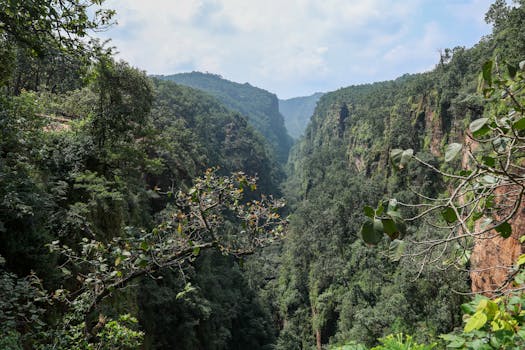
I still remember the moment I first rolled into Pachmarhi. It was late afternoon, the golden light filtering through towering sal trees as my rickety shared jeep bumped along the winding roads of the Satpura hills. The air was crisp, carrying the faint scent of damp earth after a light drizzle, and a local vendor at the roadside stall near Pipariya grinned as he handed me a steaming cup of chai for just Rs 10. I’d heard whispers of this place, often called the "Queen of Satpura," but nothing prepared me for the sheer untouched beauty of it all. Pachmarhi is criminally underrated, overshadowed by more popular hill stations like Shimla or Ooty, yet it holds a raw, unpolished charm. Think cascading waterfalls like Bee Falls, mysterious rock shelters with prehistoric paintings, and viewpoints that steal your breath without a single tourist selfie stick in sight. What makes it truly special is the quiet—it’s a place where you can hear your own thoughts amid nature’s whispers. Stick with me, and I’ll show you how to uncover every secret this hill station hides.
Why Visit Pachmarhi?
- Untouched Natural Beauty — Home to mesmerizing waterfalls like Rajat Prapat, dropping over 350 feet amidst dense forests.
- Historical Intrigue — Ancient Pandava Caves, believed to be shelters for the Pandavas during their exile, ooze mystique.
- Colonial Legacy — Charming British-era churches and bungalows dot the town, reflecting a bygone era of quiet elegance.
- Adventure Haven — Offers trekking trails through Satpura National Park, with chances to spot leopards if luck’s on your side.
- Spiritual Calm — Mahadeo Temple, a sacred Shiva shrine near a natural cave, draws pilgrims for its serene aura.
- Offbeat Appeal — Far from commercial clutter, it’s a rare hill station where solitude isn’t just possible—it’s guaranteed.
- Wildlife Encounters — Satpura’s buffer zones let you glimpse bison and deer on early morning safaris.
Top Things to Do & See
Bee Falls (Dhoopgarh)
A stunning 150-foot waterfall surrounded by rugged cliffs, it’s a refreshing escape after a short trek. Insider tip: Visit right after monsoon for the fullest flow, and ask locals for the hidden path to avoid slippery tourist steps.
Rajat Prapat (Silver Falls)
Known as Silver Falls for its shimmering descent, this 350-foot cascade is Pachmarhi’s crown jewel. Insider tip: Head to the base during early morning mist for an ethereal view—locals say it’s magical at 6 AM.
Dhoopgarh Viewpoint
The highest point in Madhya Pradesh, it offers panoramic views of the Satpura range at sunset. Insider tip: Carry a light jacket; winds get chilly even in summer, and locals often skip the crowded evening hours.
Pandava Caves
These ancient rock-cut shelters, tied to Mahabharata legends, are a historical marvel tucked into a hillside. Insider tip: Chat with the resident sadhu nearby—he often shares lesser-known folklore for a small donation of Rs 20.
Mahadeo Temple & Cave
A sacred spot with a natural cave and Shiva lingam, it’s a tranquil retreat amidst dense woods. Insider tip: Avoid weekends if you seek peace; locals say weekdays are best for uninterrupted darshan.
Satpura National Park
A biodiversity hotspot with dense forests, it’s perfect for jeep safaris and nature walks. Insider tip: Book your safari through the park office at Madhai gate for better guides—locals swear by their tracking skills.
How to Reach Pachmarhi
Getting to Pachmarhi takes a bit of planning, but the journey is half the charm. If you’re flying, the nearest airport is Raja Bhoj Airport in Bhopal, about 210 km away. From there, you can hire a cab for around Rs 3,500–4,000 for a 5-hour ride via NH-86, passing through the bustling town of Hoshangabad. For train travelers, Pipariya Railway Station on the Mumbai-Howrah line is your best bet, just 47 km from Pachmarhi. Trains like the Kalinga Utkal Express stop here, and from Pipariya, shared jeeps charge Rs 100 per person or private taxis cost Rs 1,200 for the 1.5-hour uphill drive. If you’re driving, take NH-86 from Bhopal, then switch to the Pipariya-Pachmarhi state highway—watch for the sharp turns near Matkuli village. The road is scenic, lined with teak forests, but narrow in patches, so plan for a leisurely pace. Local transport within Pachmarhi is easy—auto-rickshaws charge Rs 50–100 for short hops, and rented scooters are available near the main bus stand for Rs 400 per day. One tip: fuel stations are sparse post-Pipariya, so tank up before the climb.
Best Time to Visit
Pachmarhi shines brightest from October to March, when the weather is cool with temperatures between 10°C and 25°C—perfect for trekking and sightseeing. This peak season brings clear skies and lush greenery, especially post-monsoon in October. April to June is the shoulder season; it gets warmer, hovering around 30°C, but early mornings are still pleasant for exploring. Monsoon, from July to September, transforms Pachmarhi into a misty wonderland with roaring waterfalls, though heavy rains (often 800–1000 mm) can make trails slippery and some roads tricky. If you’re chasing solitude, late winter around February offers fewer crowds and crisp air. Pack light woolens for evenings year-round, as temperatures dip unexpectedly at this altitude of 1,067 meters.
Where to Stay
Pachmarhi has options for every wallet, mostly clustered near the main market or along Jai Stambh Road. For budget travelers, Hotel Highlands near the bus stand offers clean rooms for Rs 800–1,200 per night, with basic amenities and walking distance to local eateries. If you’re in the mid-range bracket, check out Glen View Heritage Resort near Mahadeo Road—spacious rooms with forest views go for Rs 2,500–3,500 per night, and their in-house restaurant serves decent thalis. For a boutique experience, Champak Bungalow near Dhoopgarh Road is a colonial-style stay with personalized service, priced at Rs 4,000–5,000 per night; their garden seating is perfect for evening tea. Book in advance during peak season, as smaller properties fill up fast. Most places include parking, but Wi-Fi can be spotty outside luxury options.
Trip Cost Breakdown (3-Day Trip for 2 People)
| Item | Cost |
|---|---|
| Accommodation (mid-range) | Rs 9,000 |
| Food (local eateries & cafes) | Rs 3,000 |
| Transport (taxi from Pipariya & local autos) | Rs 2,500 |
| Activities (safari, entry fees) | Rs 2,000 |
| Total | Rs 16,500 |
Suggested Itineraries
- 2-Day Quick Escape
- Day 1: Arrive by noon, check in, and head to Bee Falls (1 PM–3 PM) for a quick dip. Evening at Dhoopgarh Viewpoint (5 PM–6:30 PM) for sunset. Dinner at a local dhaba near Jai Stambh Chowk by 8 PM.
- Day 2: Early start for Rajat Prapat (7 AM–10 AM), followed by Pandava Caves (11 AM–12:30 PM). Grab lunch at Nandan Restaurant (1 PM) and depart by 3 PM.
- 3-Day Deep Dive
- Day 1: Reach Pachmarhi by midday, settle in, and explore Bee Falls (2 PM–4 PM). Relax at Chauragarh Temple nearby (5 PM–6 PM) for sunset views. Dinner at Hotel Amaltas by 8 PM.
- Day 2: Morning safari at Satpura National Park (6 AM–9 AM, book in advance). Post-lunch, visit Rajat Prapat (1 PM–3 PM) and Mahadeo Temple (4 PM–5:30 PM). Evening stroll in the market for souvenirs.
- Day 3: Start with Dhoopgarh Viewpoint (7 AM–9 AM), then explore Pandava Caves (10 AM–11:30 AM). Lunch at Rasoi Restaurant (12:30 PM) before heading back by 2 PM.
Ideal For
- Nature enthusiasts craving unspoiled landscapes and serene trails.
- History buffs intrigued by ancient caves and colonial architecture.
- Couples seeking a quiet, romantic getaway without tourist chaos.
- Families looking for safe, budget-friendly destinations with light adventure.
- Solo travelers wanting introspection amidst calming forests.
Safety, Permits & Local Etiquette
- Inner Line Permit: No permits needed for Pachmarhi; it’s open to all domestic and international visitors.
- Mobile Connectivity: BSNL and Airtel work decently in the main town, but signals drop in remote areas like deep Satpura trails.
- Solo Female Traveller: Generally safe with friendly locals, but stick to well-trodden paths and avoid isolated spots after dark.
- Do's & Don'ts: Respect temple customs by covering shoulders; don’t litter at waterfalls—locals are strict about cleanliness; bargain politely at markets.
Hidden Tips Only Repeat Visitors Know
- Visit Bee Falls early at 7 AM to avoid crowds; the nearby tea stall, run by a lady named Radha, serves the best adrak chai for Rs 10.
- Skip overpriced tourist guides near Dhoopgarh; instead, ask forest guards at the entry for quick, free directions.
- Bargain for handicrafts at the Saturday market near Jai Stambh Chowk—wooden trinkets drop from Rs 300 to Rs 150 easily.
- Carry cash; ATMs near the main bus stand often run dry, and card payments aren’t widely accepted.
- Pack sturdy shoes; trails to Rajat Prapat have uneven rocks, and fancy sandals won’t cut it.
- Try poha-jalebi at Shankar Bhojnalaya near the market for breakfast—it’s a local favorite under Rs 50.
- Book Satpura safaris directly at Madhai gate for Rs 1,500 per jeep instead of inflated hotel rates.
- Chat with elderly locals at Chauragarh; their stories about British times add depth to your trip.
Frequently Asked Questions
Q: Is Pachmarhi worth visiting?
Absolutely, if you’re after a quiet, scenic escape. Pachmarhi combines natural wonders like waterfalls and viewpoints with historical sites like Pandava Caves. It’s less commercialized than most hill stations, offering a genuine retreat. Perfect for a soulful break.
Q: How many days are enough for Pachmarhi?
Two to three days are ideal to cover major spots like Bee Falls, Dhoopgarh, and Satpura National Park. A 2-day trip suits quick getaways, while 3 days let you explore at a relaxed pace. Add a day if you love trekking.
Q: Is Pachmarhi safe for solo female travellers?
Yes, it’s relatively safe with a small-town vibe and helpful locals. Stick to popular areas during the day and avoid isolated trails at night. Basic precautions like dressing modestly near temples go a long way. I’ve met solo women travelers who felt comfortable here.
Q: Which is better — Pachmarhi or Shimla?
Pachmarhi wins for solitude and raw nature, unlike Shimla’s crowded, touristy vibe. Shimla has more infrastructure and nightlife, while Pachmarhi offers untouched waterfalls and cheaper stays. Choose Pachmarhi for peace, Shimla for bustle.
Q: Do I need permits for Pachmarhi?
No, Pachmarhi doesn’t require any special permits for entry. It’s accessible to all visitors, Indian or foreign. However, Satpura National Park safaris need prior booking and a small entry fee. Check with local forest offices for updated rules.
Q: Is Pachmarhi expensive?
Not at all; it’s quite budget-friendly compared to other hill stations. A 3-day trip for two can cost around Rs 15,000–18,000, covering stay, food, and local travel. Eating at dhabas and using shared transport keeps costs low. Luxury options exist but aren’t necessary.