Khadir Marsh Hidden: India’s Secret Wetland Wonder – Travel Guide
Dream it. Describe it. Discover it.
Find your perfect Gujarat stay on Unpaqd — with our AI search feature
Curated 4.5+ rated homestays, price-match guarantee, and zero commissions-so you never overpay or settle. Just describe your ideal stay, and we'll do the rest.
Explore stays on UnpaqdSummary
- Khadir Marsh Hidden: A true offbeat treasure in India.
- Secluded wetlands with untouched natural beauty.
- Perfect for serene escapes away from crowds.
- Budget-friendly destination for nature lovers.
- Ideal for birdwatching and quiet reflection.
- A hidden gem worth the detour.
Khadir Marsh Hidden
I still remember the first time I stumbled upon Khadir Marsh Hidden. It was late afternoon, the golden sun dipping low, casting long shadows over the endless stretch of wetlands. I had taken a wrong turn off NH-48, somewhere past the dusty town of Kutch, and found myself on a narrow dirt track flanked by tall reeds. A local farmer, chewing on a blade of grass, pointed me toward this secret spot with a knowing grin, as if he was sharing a family heirloom. The air was thick with the chirps of unseen birds, and the stillness felt almost sacred.
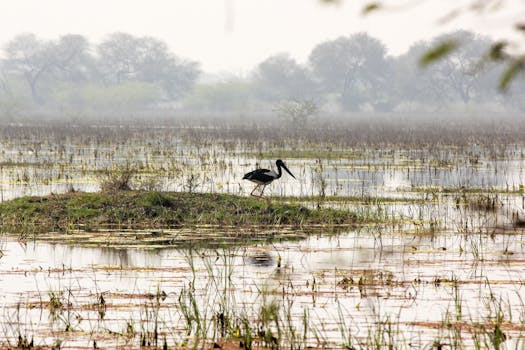
What makes Khadir Marsh Hidden so underrated is precisely its anonymity—hardly anyone outside the nearby villages even knows it exists. Yet, it’s a paradise for those who crave solitude amidst nature, with shallow waters reflecting the sky and rare migratory birds flitting about. Unlike the crowded Rann of Kutch, this marsh offers raw, unfiltered beauty without a single tourist stall in sight. If you’re looking to uncover a slice of India that’s still pure and untouched, stick with me as I spill all the details on how to explore this hidden wonder.
Why Visit Khadir Marsh Hidden?
- Untouched Wilderness — Experience wetlands that feel like a secret only you know, far from commercialized tourist traps.
- Birdwatcher’s Haven — Spot rare species like the black-necked stork, especially during migration season.
- Soulful Solitude — Perfect for unwinding, with vast open spaces and no noisy crowds to disturb your peace.
- Cultural Glimpse — Interact with local Kutchi villagers who share stories of the marsh’s folklore over chai.
- Photographer’s Dream — Capture surreal reflections of the sky in still waters at sunrise or sunset.
- Affordable Escape — Minimal costs for entry or guides, making it a steal for budget travelers.
- Eco-Friendly Vibes — A place where you can connect with nature without leaving a heavy footprint.
Top Things to Do & See
Marsh Walking Trails
Wander along the unmarked paths around the marsh, where every step reveals a new shade of green or a hidden bird’s nest. Insider tip: Wear sturdy gumboots—locals swear by them to navigate the muddy patches after rain.
Birdwatching at Dawn
Wake up early to catch flocks of flamingos and pelicans gliding over the water in the soft morning light. Insider tip: Head to the eastern edge near the old banyan tree for the best vantage point, as locals do.
Boat Rides with Fishermen
Hire a small wooden boat from local fishermen to glide through the marsh’s narrow channels. Insider tip: Bargain for a ride near the village of Khadir Bet—rates drop if you chat in Gujarati.
Village Homestay Experience
Spend a night with a Kutchi family to learn how the marsh shapes their daily life. Insider tip: Ask for homemade bajra rotla with gud (jaggery) at dinner—it’s a local delicacy.
Sunset over the Wetlands
Find a quiet spot to watch the sun melt into the horizon, painting the marsh in hues of orange and pink. Insider tip: Carry a small mat to sit on; locals avoid the damp grass near the water’s edge.
Exploring Nearby Khadir Bet Island
Take a short detour to this tiny island, a cultural hub with ancient ruins amidst the marsh. Insider tip: Visit the small shrine there—locals believe it brings good luck if you tie a red thread.
How to Reach Khadir Marsh Hidden
Getting to Khadir Marsh Hidden requires a bit of effort, but that’s what keeps it so pristine. The nearest major city is Bhuj, about 80 km away in Gujarat’s Kutch district. If you’re flying in, Bhuj Airport (BHJ) has regular connections from Mumbai and Ahmedabad, with fares starting at Rs 3,500 one-way. From there, hire a cab or take a shared auto to the town of Anjar (roughly 40 km, Rs 800 by taxi or Rs 50 by auto).
By train, Bhuj Railway Station is well-connected to cities like Ahmedabad and Mumbai. From Bhuj, catch a local bus heading toward Anjar or Nakhatrana for Rs 30–50. Tell the conductor you’re heading to Khadir Bet village, and they’ll drop you at the nearest junction on NH-48. From this point, it’s a 5 km detour on a narrow dirt road—either hire a local auto (Rs 100–150) or rent a bike in Anjar for about Rs 300 per day. Keep an eye out for a small signboard near a cluster of neem trees; it’s easy to miss.
If driving, take NH-48 from Bhuj toward Anjar, then turn off at the unmarked road just after the village of Kukma. The drive takes about 2.5 hours, but roads can get bumpy, so a sturdy vehicle is ideal. Fuel up in Bhuj—there are no petrol pumps en route. Parking is informal near the marsh; just find a dry patch and tip a local kid Rs 20 to keep an eye on your car. One last tip: download offline maps, as network coverage dips once you leave the highway.
Best Time to Visit
The sweet spot for visiting Khadir Marsh Hidden is between November and February, when the weather is cool (15–25°C) and migratory birds flock to the wetlands in droves. Early mornings are crisp, and evenings feel just right for long walks. The shoulder months of October and March are also decent, though slightly warmer at 28–30°C, with fewer birds but still plenty of charm. Monsoon, from June to September, transforms the marsh into a lush, waterlogged expanse, but paths get muddy, and access can be tricky. Summer (April–May) is harsh, with temperatures soaring to 38–40°C, so unless you’re a heat warrior, skip it. Pack light layers for winter and sturdy footwear year-round—the ground near the marsh stays damp.
Where to Stay
Accommodation around Khadir Marsh Hidden is sparse, which adds to its offbeat allure. Here are a few picks across budgets, all within 10–15 km of the marsh.
- Budget: Village Homestays near Khadir Bet — Stay with local families for an authentic Kutchi experience. Basic rooms with shared bathrooms cost Rs 500–800 per night. Meals are often included if you request in advance (Rs 100–150 per person).
- Mid-Range: Marsh View Guesthouse in Kukma — About 12 km from the marsh, this simple guesthouse offers clean rooms with attached baths for Rs 1,500–2,000 per night. They can arrange local guides for Rs 300 per day.
- Boutique: Kutch Heritage Resort near Anjar — For a touch of comfort 20 km away, this resort has cozy cottages starting at Rs 3,000 per night. It’s a good base if you want amenities like hot water and Wi-Fi, though it’s farther from the marsh.
Booking in advance isn’t always necessary for homestays, but call ahead for guesthouses, especially during peak birdwatching months. If you’re camping, ask locals for a safe spot near the marsh—carry your own gear and pay a small fee (Rs 100) for permission.
Trip Cost Breakdown (3-Day Trip for 2 People)
| Item | Cost |
|---|---|
| Accommodation (Homestay, 2 nights) | Rs 1,600 |
| Food (Meals at local homes/stalls) | Rs 1,200 |
| Transport (Auto hire + bike rental) | Rs 1,000 |
| Activities (Boat ride + guide) | Rs 800 |
| Total | Rs 4,600 |
Suggested Itineraries
- 2-Day Quick Escape
- Day 1: Arrive in Bhuj by morning, travel to Khadir Marsh Hidden by noon (2.5 hours). Check into a homestay near Khadir Bet by 3 PM. Spend the evening on a sunset boat ride (4–6 PM, Rs 300). Dinner with locals by 8 PM.
- Day 2: Start with dawn birdwatching (5:30–7:30 AM). Explore marsh trails till noon. Head back to Bhuj by 3 PM after a quick lunch at a roadside dhaba (Rs 100 per person).
- 3-Day Deep Dive
- Day 1: Reach Khadir Marsh Hidden from Bhuj by noon. Settle into a homestay by 2 PM. Take an afternoon walk along the marsh (3–5 PM). End with a village interaction over chai at 6 PM.
- Day 2: Early birdwatching session (5:30–8 AM). Hire a boat to explore deeper channels (9–11 AM, Rs 400). Visit Khadir Bet Island ruins in the afternoon (2–4 PM). Sunset viewing till 6 PM.
- Day 3: Leisurely morning at the marsh, photographing reflections (7–9 AM). Pack up and leave for Bhuj by 11 AM, stopping at Kukma for a quick snack at Shreeji Dhaba (Rs 80 for thali).
Ideal For
- Nature enthusiasts seeking quiet, unspoiled landscapes.
- Birdwatchers eager to spot rare migratory species.
- Solo travelers looking for safe, soulful retreats.
- Budget explorers wanting authentic experiences over luxury.
- Photographers chasing raw, dramatic frames of wetlands.
Safety, Permits & Local Etiquette
- Inner Line Permit: Not required for Indian nationals. Foreign visitors may need to register at Bhuj’s district office for Kutch region access—check with local authorities.
- Mobile Connectivity: Spotty at best. Airtel and Jio work intermittently near Khadir Bet village, but don’t rely on data inside the marsh. Carry a physical map.
- Solo Female Traveller: Generally safe with friendly locals, but stick to daylight hours for solo exploration. Dress modestly to blend in, and inform your homestay host of your plans.
- Do's & Don'ts: Respect the marsh—don’t litter or disturb wildlife. Ask permission before photographing locals. Avoid loud music; the silence here is sacred. Tip small amounts (Rs 20–50) for help from villagers.
Hidden Tips Only Repeat Visitors Know
- Carry cash in small denominations—there are no ATMs or digital payment options near the marsh.
- Pack mosquito repellent; evenings near the water can get buggy.
- Chat with fishermen at Khadir Bet for free tips on the best birdwatching spots.
- Buy local handicrafts like embroidered shawls directly from village women for Rs 200–300.
- Avoid peak afternoon heat—stick to early mornings or late evenings for treks.
- Bring a portable chair or mat; there are no benches to rest on during long walks.
- Ask homestay hosts for koki, a spiced flatbread—most won’t offer unless requested.
- If driving, park near the village head’s house for extra security (tip Rs 30).
Frequently Asked Questions
Q: Is Khadir Marsh Hidden worth visiting?
Absolutely, if you crave solitude and raw nature. It’s a world away from tourist-heavy spots, offering peace and unique birdlife. Just don’t expect luxury—its charm lies in its simplicity. Come with an open mind for an unforgettable escape.
Q: How many days are enough for Khadir Marsh Hidden?
Two to three days are ideal to soak in the marsh’s beauty. A quick weekend trip covers the basics like birdwatching and boat rides. For deeper village interactions and leisurely exploration, extend to three days. Rushing through feels like missing the point.
Q: Is Khadir Marsh Hidden safe for solo female travellers?
Yes, it’s quite safe with warm, helpful locals. Stick to daylight hours for solo walks and stay near the village or with a homestay. Dress conservatively to avoid unwanted attention. Always share your itinerary with someone back home.
Q: Which is better — Khadir Marsh Hidden or Rann of Kutch?
It depends on your vibe. Khadir Marsh Hidden is quieter, more intimate, and nature-focused, while Rann of Kutch is vast, touristy, and festival-driven. If you want solitude over spectacle, pick the marsh. Rann suits those craving cultural events and crowds.
Q: Do I need permits for Khadir Marsh Hidden?
Indian nationals don’t need permits to visit the marsh. Foreign travelers might require general Kutch region clearance, easily obtained in Bhuj. Check with the district office if unsure. It’s a hassle-free spot for most visitors.
Q: Is Khadir Marsh Hidden expensive?
Not at all—it’s incredibly pocket-friendly. A 3-day trip for two can cost under Rs 5,000, including stays and food. Transport and activities are dirt cheap compared to mainstream destinations. It’s a steal for the experience you get.