Pangi Valley Remote: Unveiling India’s Hidden Himalayan Gem – Travel Guide
Dream it. Describe it. Discover it.
Find your perfect Himachal Pradesh stay on Unpaqd — with our AI search feature
Curated 4.5+ rated homestays, price-match guarantee, and zero commissions-so you never overpay or settle. Just describe your ideal stay, and we'll do the rest.
Explore stays on UnpaqdSummary
- Pangi Valley Remote: A pristine, untouched Himalayan paradise.
- Perfect for adventurers seeking solitude and raw beauty.
- Far from tourist crowds, offering authentic tribal culture.
- Budget-friendly with unparalleled mountain vistas.
- A challenging yet rewarding offbeat escape.
- Ideal for nature lovers craving peaceful retreats.
Pangi Valley Remote
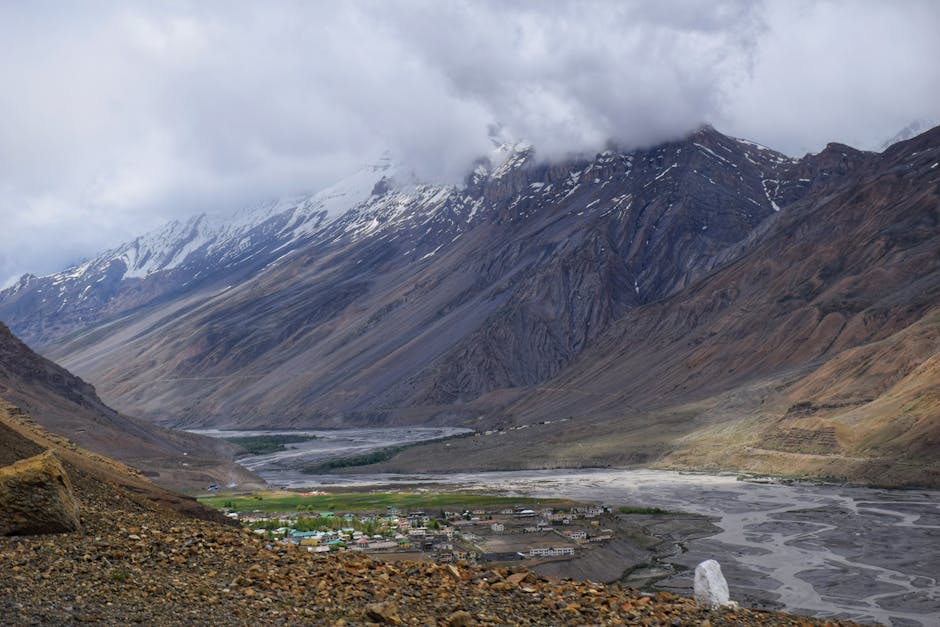
I’ll never forget the moment I first laid eyes on Pangi Valley Remote. It was late afternoon, the golden hour casting long shadows over the rugged peaks, and I was shivering slightly in the crisp mountain air as our jeep rattled along a narrow dirt track. We’d just crossed a rickety wooden bridge over the roaring Chenab River, and a local driver named Tenzin, with a weathered smile, pointed out a tiny village clinging to the hillside—Hudan, he called it. I felt like I’d stumbled into a forgotten world, far from the chaos of city life or even the more trodden Himalayan trails. Pangi Valley, tucked away in Himachal Pradesh’s Chamba district, is one of India’s least-explored regions, and that’s exactly what makes it extraordinary. Its isolation, coupled with dramatic landscapes and the warmth of the Gaddi and Bhoti tribes, creates an experience that’s raw and real. From treacherous mountain passes to serene meadows, this place isn’t just a destination; it’s a journey into the heart of the unknown. Stick with me, and I’ll guide you through everything you need to uncover this hidden gem.
Why Visit Pangi Valley Remote?
- Untouched Wilderness — Vast stretches of pine forests and alpine meadows remain unmarred by commercialization.
- Cultural Immersion — Live among the Gaddi shepherds and Bhoti tribes, witnessing their ancient traditions firsthand.
- Thrilling Access — The journey via the Sach Pass at 4,420 meters is an adrenaline-pumping adventure in itself.
- Solitude Guaranteed — With barely any tourists, you’ll often have entire valleys to yourself for reflection.
- Photographer’s Dream — Capture surreal vistas of snow-capped peaks reflecting in crystal-clear streams.
- Offbeat Challenge — Test your grit on rugged terrain that demands resilience and rewards with serenity.
- Spiritual Calm — Ancient temples like Mindhal Basan Devi offer a deep connection to local faith.
Top Things to Do & See
Sach Pass
One of the highest motorable passes in India, Sach Pass offers jaw-dropping views of the Pir Panjal range. Insider tip: Stop at the small tea stall run by a lady named Kamla just before the pass for her legendary parathas—they’re a lifesaver in the cold.
Hudan Village
A remote hamlet with traditional wooden houses, Hudan feels like stepping back in time. Insider tip: Ask for permission to join a local family for a meal; their homemade siddu (steamed bread) with ghee is unforgettable.
Killar Town
The heart of Pangi Valley, Killar is a small, bustling hub surrounded by towering peaks. Insider tip: Visit the tiny Killar Market early morning to buy fresh apricots straight from farmers.
Chenab River Trails
Walking along the fierce Chenab River, you’ll feel the raw power of nature in every gust. Insider tip: Near Purthi village, there’s a hidden spot locals use for fishing—perfect for a quiet picnic.
Mindhal Basan Devi Temple
A sacred site perched on a hill, this temple offers spiritual solace amid stunning views. Insider tip: Carry a small offering like flowers; locals believe it brings good fortune for your journey.
Sural Bhatori
A high-altitude meadow dotted with wildflowers, Sural Bhatori is ideal for a day trek. Insider tip: Camp overnight if possible—locals say the starlit sky here feels otherworldly.
How to Reach Pangi Valley Remote
Getting to Pangi Valley Remote is not for the faint-hearted, but the journey is half the adventure. The most common starting point is Chamba, about 180 km away, which is well-connected by road from Pathankot (the nearest major railway station, 120 km from Chamba) and Kangra’s Gaggal Airport (around 170 km). From Chamba, you’ll need to hire a private jeep or join a shared taxi to Killar, the main town in Pangi Valley. The route follows the treacherous yet scenic NH-154A and crosses the infamous Sach Pass, a high-altitude pass at 4,420 meters often cloaked in snow. The drive takes about 10–12 hours, covering roughly 180 km of narrow, winding roads with sheer drops. Expect to pay around Rs 3,000–4,000 for a shared jeep or Rs 8,000–10,000 for a private one from Chamba to Killar.
If you’re coming from Manali, another route is via the Rohtang Pass and Keylong, but it’s longer (around 300 km) and equally challenging, taking 14–16 hours. Landmarks to watch for include the tiny settlement of Tandi, where you can refuel, and the breathtaking views at Udaipur village. Local buses do ply sporadically from Chamba to Killar, costing about Rs 300–400 per person, but they’re unreliable and cramped—opt for a jeep if possible. A tip: Start early in the morning to avoid traffic on narrow stretches, and carry snacks as roadside eateries are sparse. Once in Killar, local shared taxis can take you to smaller villages like Hudan or Purthi for Rs 100–200 per trip.
Best Time to Visit
The ideal window to explore Pangi Valley Remote is between June and September, when the weather is pleasant, with daytime temperatures ranging from 15°C to 25°C, though nights can dip to 5°C. This period ensures the Sach Pass is open, and the meadows are lush with wildflowers. The shoulder months of May and October are riskier—snow might linger or start early, and temperatures can hover between 0°C and 15°C. Winter, from November to April, is brutal, with heavy snowfall blocking roads and temperatures plummeting to -10°C or lower; it’s only for extreme adventurers with proper gear. Monsoons, especially July to August, bring landslides and muddy trails, making travel dangerous despite the greenery. For the safest and most scenic experience, aim for late June or early September.
Where to Stay
Accommodation in Pangi Valley Remote is sparse and basic, reflecting its untouched vibe. In Killar, the main town, budget travelers can opt for small guesthouses like Himalayan Rest House, where a double room costs around Rs 800–1,000 per night. For a mid-range stay, try Pangi Guest House near the market, offering cleaner rooms with hot water buckets for Rs 1,500–2,000 per night. If you’re looking for a more immersive experience, homestays in villages like Hudan or Purthi are incredible—expect to pay Rs 1,000–1,500 per night, often including home-cooked meals. For something slightly upscale, check out Sach Eco Lodge near Sach Pass, a boutique option with cozy tents and basic amenities for Rs 2,500–3,000 per night. Book in advance during peak months, as options fill up fast despite the low tourist footfall. Camping is also popular in meadows like Sural Bhatori—just carry your own gear or rent from Killar for about Rs 500 per day.
Trip Cost Breakdown (3-Day Trip for 2 People)
| Item | Cost |
|---|---|
| Accommodation (3 nights at Rs 1,500/night) | Rs 4,500 |
| Food (Rs 500/day/person) | Rs 3,000 |
| Transport (Shared jeep from Chamba & local taxis) | Rs 4,000 |
| Activities (Trekking, temple visits, misc.) | Rs 1,000 |
| Total | Rs 12,500 |
Suggested Itineraries
- 2-Day Quick Escape
- Day 1: Arrive in Killar by noon after a morning start from Chamba. Check into a guesthouse, then explore Killar Market and the Chenab Riverbank until 5 PM. Evening at leisure with local food.
- Day 2: Early 6 AM start for Sach Pass; spend 2–3 hours soaking in views and clicking pictures. Return to Killar by 1 PM, grab lunch, and head back to Chamba by evening.
- 3-Day Deep Dive
- Day 1: Reach Killar by midday from Chamba. Settle into accommodation, then visit nearby Mindhal Basan Devi Temple by 3 PM for a spiritual experience. Dinner with locals by 8 PM.
- Day 2: Start at 7 AM for a full-day trek to Sural Bhatori meadow. Picnic lunch amid wildflowers, return by 5 PM. Relax with a quiet evening in Killar.
- Day 3: Morning visit to Hudan Village at 8 AM to experience tribal life. Back to Killar by noon, quick lunch, and depart for Chamba by 2 PM.
Ideal For
- Adventure seekers who thrive on challenging roads and treks.
- Nature enthusiasts craving untouched landscapes and serene meadows.
- Cultural explorers eager to connect with indigenous Himalayan tribes.
- Photographers hunting for dramatic mountain and river shots.
- Solo travelers or small groups looking for peaceful, crowd-free getaways.
Safety, Permits & Local Etiquette
- Inner Line Permit: Not required for Indian citizens, but foreigners may need a Protected Area Permit (PAP) for certain border-adjacent areas—apply through the Chamba DC office or online.
- Mobile Connectivity: Network is patchy at best. BSNL works sporadically in Killar; other providers are almost non-existent. Carry a satellite phone for emergencies if trekking deep.
- Solo Female Traveller: Generally safe with warm locals, but stick to populated areas like Killar. Avoid isolated treks alone and dress conservatively to respect traditions.
- Do's & Don'ts: Always ask before photographing locals or entering homes. Respect sacred sites by removing shoes. Don’t litter—carry trash back. Bargain politely at markets.
Hidden Tips Only Repeat Visitors Know
- Carry cash in small denominations—ATMs are non-existent in Pangi, and shops don’t accept cards.
- Pack extra layers even in summer; weather near Sach Pass can turn chilly unexpectedly.
- Buy local dried apricots and walnuts from Killar Market—they’re cheaper and fresher than in cities.
- If roads are blocked, ask locals in Chamba about alternate mule tracks to smaller villages.
- Stop at Tandi’s fuel station before entering Pangi—it’s the last reliable petrol pump for miles.
- Learn a few Gaddi phrases like “Shukriya” (thank you) to connect better with villagers.
- Carry a basic first-aid kit; the nearest hospital is in Chamba, hours away.
- Time your Sach Pass crossing before noon—afternoon fog can make driving hazardous.
Frequently Asked Questions
Q: Is Pangi Valley Remote worth visiting?
Absolutely, if you’re after an authentic, off-grid Himalayan experience. Its isolation ensures unspoiled beauty and genuine cultural encounters you won’t find in mainstream destinations. Just be prepared for rough roads and minimal amenities. It’s a soul-stirring escape for the right traveler.
Q: How many days are enough for Pangi Valley Remote?
A minimum of 2–3 days is ideal to soak in the essence of Pangi Valley. This gives you time for Sach Pass, a village visit, and a short trek. If you’re into deeper exploration or photography, extend to 4–5 days. Travel time to and from Chamba eats up a day each way.
Q: Is Pangi Valley Remote safe for solo female travellers?
It’s relatively safe with friendly locals, but caution is key due to the remote nature. Stick to Killar or travel with a group for treks. Dress modestly to blend in, and avoid venturing into isolated areas alone. Always inform someone of your plans.
Q: Which is better — Pangi Valley Remote or Spiti Valley?
Pangi Valley Remote wins for raw, untouched beauty and solitude, with fewer tourists and deeper cultural immersion. Spiti Valley, while stunning, is more accessible and commercialized with better facilities. Choose Pangi if you crave isolation; opt for Spiti for easier travel and monasteries. It depends on your adventure threshold.
Q: Do I need permits for Pangi Valley Remote?
Indian citizens don’t need permits to enter Pangi Valley Remote. Foreign nationals may require a Protected Area Permit for areas close to the border—check with authorities in Chamba. Always carry valid ID proof for checkpoints. Processing a PAP takes a few days, so plan ahead.
Q: Is Pangi Valley Remote expensive?
Not at all; it’s quite budget-friendly compared to popular Himalayan spots. A 3-day trip for two can cost under Rs 13,000, covering stay, food, and transport. Costs rise if you hire private jeeps or guides. It’s value for money given the unique experience.