Serolsar Lake Sides: Uncover India’s Hidden Himalayan Gem – Travel Guide
Dream it. Describe it. Discover it.
Find your perfect Himachal Pradesh stay on Unpaqd — with our AI search feature
Curated 4.5+ rated homestays, price-match guarantee, and zero commissions-so you never overpay or settle. Just describe your ideal stay, and we'll do the rest.
Explore stays on UnpaqdSummary
- Serolsar Lake Sides: A true hidden gem in Himachal Pradesh.
- Perfect for serene, offbeat escapes from crowded tourist spots.
- Offers untouched natural beauty with peaceful surroundings.
- Budget-friendly destination for nature lovers and trekkers.
- Ideal for quiet reflection amidst stunning Himalayan vistas.
- A rare find for authentic, crowd-free experiences.
Serolsar Lake Sides
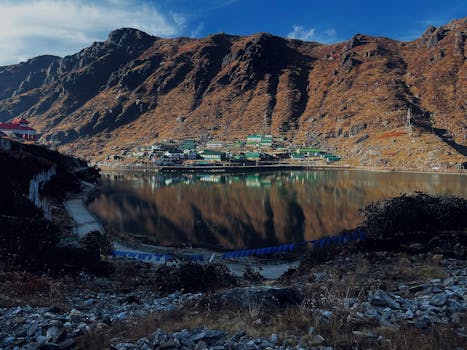
I still remember that late afternoon when I first stumbled upon Serolsar Lake Sides, tucked away in the lap of Himachal’s Kullu Valley. The air was crisp, carrying a faint scent of pine, and the golden light of the setting sun danced on the still waters of the lake. I had just trekked for a few hours from Jalori Pass, my legs aching but my spirit soaring, when I spotted a small tea stall run by a local named Ramesh. He offered me a steaming cup of chai for just Rs 10 and pointed toward a lesser-known trail along the lake’s edge, promising a view most tourists miss. That moment—of quiet, connection, and discovery—stuck with me. Serolsar Lake Sides is criminally underrated, often overshadowed by flashier spots like Manali or Kasol, yet it holds a raw, unpolished charm. Think emerald waters framed by dense deodar forests, and not a single tout in sight. What makes it truly special is the solitude; you can sit by the lake for hours, hearing nothing but the rustle of leaves. If you’re craving a slice of the Himalayas that feels like yours alone, stick with me as I unravel the magic of this hidden treasure.
Why Visit Serolsar Lake Sides?
- Untouched Beauty — The lake’s crystal-clear waters reflect the towering peaks, offering postcard-perfect views without the Instagram crowds.
- Spiritual Vibes — Near the lake lies the ancient Budhi Nagin Temple, believed to house a powerful serpent deity, drawing quiet pilgrims.
- Trekking Haven — The moderate trek from Jalori Pass to Serolsar is a 5 km delight through lush meadows and oak forests.
- Cultural Glimpse — Interact with locals in nearby Shoja village, known for warm hospitality and stories of Himalayan lore.
- Wildlife Spotting — Keep an eye out for Himalayan birds like the monal, especially during early morning walks along the trails.
- Affordable Escape — Unlike pricier hill stations, a trip here won’t dent your wallet, with basic meals under Rs 100.
- Solitude Guaranteed — Even during peak seasons, the lake sides remain serene, far from the chaos of mainstream destinations.
Top Things to Do & See
Serolsar Lake
Gaze at the mesmerizing emerald lake, a mirror to the sky on calm days. Insider tip: Walk to the northern edge at dawn for a magical mist-covered view locals cherish.
Budhi Nagin Temple
Visit this small, sacred shrine near the lake, steeped in local myths. Insider tip: Offer a small prayer with locals for a blessing—they’ll often share homemade prasad.
Jalori Pass Trek
Embark on the scenic 5 km trek from Jalori Pass to the lake, surrounded by panoramic Himalayan vistas. Insider tip: Stop at the tiny dhaba halfway for their unbeatable maggi at Rs 50.
Shoja Village Exploration
Wander through this quaint village near Jalori Pass for a peek into rural Himachali life. Insider tip: Chat with elders at the local tea shop for folklore tales.
Forest Trails
Explore the dense deodar and oak trails around the lake for quiet introspection. Insider tip: Carry binoculars—locals say rare birds often perch near hidden clearings.
Stargazing by the Lake
Spend a night under a blanket of stars, with the lake reflecting the moonlight. Insider tip: Camp near the eastern side where the wind is calmer, as locals suggest.
How to Reach Serolsar Lake Sides
Getting to Serolsar Lake Sides is an adventure in itself, but with the right plan, it’s quite doable. The nearest major town is Aut, located on the NH-3 (Manali-Leh Highway), about 60 km from Kullu. If you’re flying in, Bhuntar Airport near Kullu is the closest, roughly 70 km away. From there, hire a taxi for about Rs 2,000 to reach Aut. For train travelers, the nearest railway station is Joginder Nagar, around 100 km away, though it’s a narrow-gauge line, so most prefer reaching Chandigarh (250 km) and taking a bus or taxi onward.
From Aut, take a local bus or shared jeep to Jalori Pass, the starting point for the trek to Serolsar Lake. Buses are sporadic but cheap at Rs 50 per person, while shared jeeps cost around Rs 100. The winding road to Jalori Pass, via the village of Shoja, offers stunning views of the Tirthan Valley—keep your camera handy. It’s a 25 km drive and takes about 1.5 hours due to the narrow, hilly terrain. Once at Jalori Pass, the lake is a moderate 5 km trek downhill, taking 2-3 hours depending on your pace. The trail is well-marked but can get slippery after rain, so wear sturdy shoes.
If you’re driving, follow NH-3 from Kullu to Aut, then take the Aut-Banjar-Jalori Pass road. Parking is available at Jalori Pass near a small cluster of dhabas. For a smoother journey, start early to avoid traffic near Banjar, a small market town en route. Local tip: Fill up fuel at Aut as there are no petrol pumps beyond that point.
Best Time to Visit
The ideal window to explore Serolsar Lake Sides is between April and June, when the weather is pleasant with temperatures hovering between 10°C and 20°C. The meadows are vibrant with wildflowers, and the trek is comfortable. September to November is another great period, with crisp autumn air and golden foliage, though nights can dip to 5°C. Winter, from December to March, brings heavy snowfall, transforming the area into a white wonderland, but the trek becomes challenging and Jalori Pass is often closed due to snow. Monsoon months, July and August, are risky with frequent landslides on the roads and slippery trails—avoid unless you’re an experienced trekker. Regardless of the season, carry layers as mountain weather can shift unpredictably.
Where to Stay
Accommodation near Serolsar Lake Sides is limited but charming, mostly clustered around Jalori Pass and Shoja village, a short drive or trek away. For budget travelers, guesthouses in Shoja like Himalayan Eco Lodge offer basic rooms with stunning views for Rs 800-1,000 per night. They often provide home-cooked meals for an extra Rs 150 per person. If you’re looking for mid-range comfort, check out Jalori Pass View Homestay near the pass itself, with cozy rooms priced at Rs 1,500-2,000 per night, complete with hot water and valley-facing balconies. For a more boutique experience, consider Tirthan Himalayan Retreat in Shoja, where rooms start at Rs 3,000 per night, offering a blend of rustic charm and modern amenities like guided treks. Camping near the lake is also an option if you carry your own gear—just pick a flat spot and inform locals for safety. Book ahead during peak months as options fill up fast.
Trip Cost Breakdown (3-Day Trip for 2 People)
| Item | Cost |
|---|---|
| Accommodation (mid-range) | Rs 4,500 |
| Food (local meals & dhabas) | Rs 1,800 |
| Transport (taxi from Aut & local jeeps) | Rs 2,500 |
| Activities (trekking & temple visit) | Rs 500 |
| Total | Rs 9,300 |
Suggested Itineraries
- 2-Day Quick Escape
- Day 1: Arrive at Jalori Pass by noon via Aut (start early from Kullu). Trek 5 km to Serolsar Lake (2-3 hours), enjoy the views, and visit Budhi Nagin Temple by 4 PM. Return to Jalori Pass for overnight stay at a guesthouse.
- Day 2: Morning forest walk near Jalori Pass at 7 AM, followed by breakfast at a local dhaba. Explore Shoja village by 10 AM, then head back to Aut by 2 PM for your onward journey.
- 3-Day Deep Dive
- Day 1: Reach Jalori Pass by 11 AM from Aut. Trek to Serolsar Lake by 2 PM, spend the afternoon soaking in the serenity, and camp overnight near the lake (or return to Jalori Pass for a stay).
- Day 2: Start with sunrise stargazing or birdwatching at 6 AM by the lake. Visit Budhi Nagin Temple by 9 AM, then trek back to Jalori Pass for lunch at a dhaba around noon. Explore nearby trails in the afternoon and stay overnight in Shoja.
- Day 3: Morning visit to Shoja village at 8 AM for local interactions. Have breakfast at a roadside stall by 10 AM, then drive or take a jeep back to Aut by 1 PM for departure.
Ideal For
- Nature enthusiasts seeking untouched landscapes and tranquil vibes.
- Trekkers looking for moderate, scenic trails off the usual circuits.
- Solo travelers craving solitude and self-reflection in the mountains.
- Budget explorers wanting an affordable Himalayan getaway.
- Cultural buffs interested in local Himachali traditions and folklore.
Safety, Permits & Local Etiquette
- Inner Line Permit: No permits are required for Indian nationals to visit Serolsar Lake Sides or Jalori Pass. Foreign visitors should carry valid ID and check with local authorities in Kullu for any travel advisories.
- Mobile Connectivity: Network coverage is patchy at best. BSNL works sporadically near Jalori Pass, but don’t rely on it at the lake. Inform family before heading out.
- Solo Female Traveller: Generally safe with friendly locals, but stick to daylight hours for treks and avoid isolated trails alone. Carry a whistle and inform your stay host of your plans.
- Do's & Don'ts: Respect the sanctity of Budhi Nagin Temple—dress modestly and ask before photographing rituals. Don’t litter; carry trash back. Avoid loud music to preserve the area’s calm. Always greet locals with a smile; they’re eager to help.
Hidden Tips Only Repeat Visitors Know
- Visit the lake on a weekday to avoid even the small weekend trickle of trekkers from nearby towns.
- Bargain politely at Jalori Pass dhabas for meals—Rs 40 for parathas is the local rate if you chat them up.
- Carry cash; there are no ATMs past Aut, and digital payments rarely work in Shoja or Jalori.
- Pack a light raincoat even in summer—sudden showers are common on the trek.
- Ask locals in Shoja for homemade apple cider; it’s a seasonal treat not found in shops.
- Trek early morning to spot wildlife—locals say foxes appear near the lake before 7 AM.
- Buy woolen socks from roadside stalls in Banjar for Rs 100; they’re perfect for chilly nights.
- If camping, pitch near the temple side for flatter ground—locals avoid the steeper edges.
Frequently Asked Questions
Q: Is Serolsar Lake Sides worth visiting?
Absolutely, if you’re after peace and raw natural beauty. It’s a lesser-known spot compared to crowded hill stations, offering solitude by a stunning lake. The trek from Jalori Pass adds an element of adventure. Perfect for a quiet escape.
Q: How many days are enough for Serolsar Lake Sides?
A 2-day trip covers the essentials—trekking to the lake and exploring nearby. However, 3 days allow deeper immersion with village visits and leisurely forest walks. It depends on how much downtime you want amidst nature.
Q: Is Serolsar Lake Sides safe for solo female travellers?
Yes, it’s relatively safe with welcoming locals, but caution is key. Stick to daylight treks, inform your accommodation of plans, and avoid remote areas alone. Carrying a whistle and staying aware helps ensure a smooth trip.
Q: Which is better — Serolsar Lake Sides or Manali?
It depends on your vibe. Manali is bustling with markets and adventure sports, while Serolsar Lake Sides is serene and crowd-free. If solitude and raw nature are your priorities, this lake wins hands down over Manali’s touristy chaos.
Q: Do I need permits for Serolsar Lake Sides?
No permits are needed for Indian travelers to visit Serolsar Lake Sides or Jalori Pass. Foreign nationals should carry valid ID and check for any regional advisories in Kullu. It’s a hassle-free destination in that regard.
Q: Is Serolsar Lake Sides expensive?
Not at all—it’s a budget-friendly spot. A 3-day trip for two can cost under Rs 10,000, covering stay, food, and local transport. Meals at dhabas are cheap, and there are no entry fees. It’s a steal for the experience.