Chicham Bridge Surrounds: Unveiling India’s Hidden Himalayan Gem – Travel Guide
Dream it. Describe it. Discover it.
Find your perfect Himachal Pradesh stay on Unpaqd — with our AI search feature
Curated 4.5+ rated homestays, price-match guarantee, and zero commissions-so you never overpay or settle. Just describe your ideal stay, and we'll do the rest.
Explore stays on UnpaqdSummary
- Chicham Bridge Surrounds: A true hidden gem in Spiti Valley.
- Offbeat adventure with breathtaking Himalayan vistas.
- Peaceful escape far from crowded tourist traps.
- Value for money with affordable local stays.
- Perfect for thrill-seekers and nature lovers.
- Unmatched serenity in rugged, untouched landscapes.
Chicham Bridge Surrounds
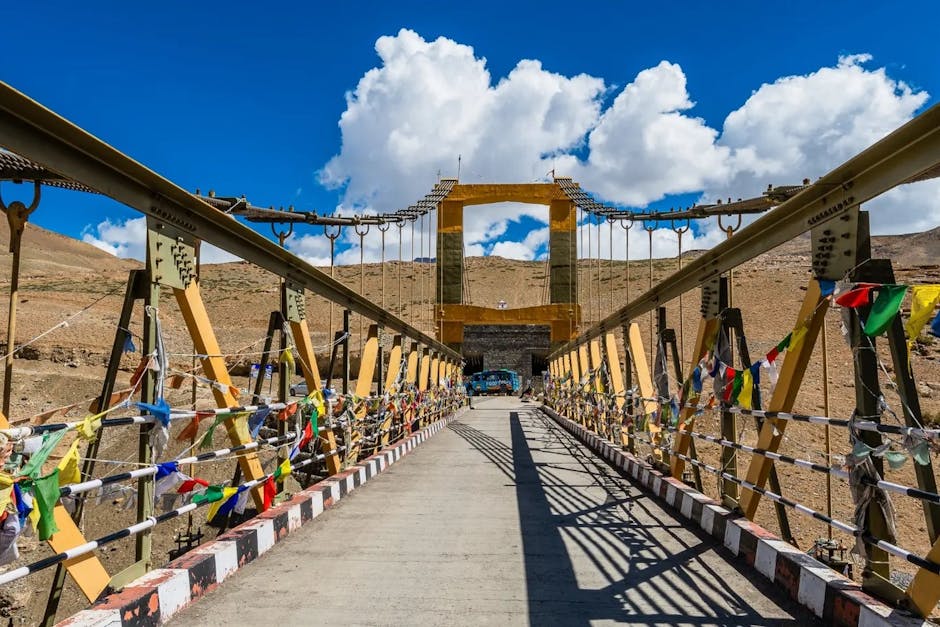
I still remember the first time I crossed Chicham Bridge, perched precariously at over 13,500 feet above sea level. It was late afternoon, the golden sunlight casting long shadows over the stark, barren mountains of Spiti Valley. A chilly wind whipped through my jacket as I stood mid-bridge, heart pounding, not just from the altitude but from the sheer audacity of this engineering marvel connecting two remote villages—Chicham and Kibber. Below, a yawning gorge dropped hundreds of meters, and I couldn’t help but grip the railing a little tighter. A local herder passing by with his yaks gave me a knowing smile, as if to say, “You’ll get used to it.”
What makes this place so underrated is how it remains a whisper among travelers, even in the well-trodden Spiti circuit. Most rush through Kaza or head to Dhankar, missing the raw, unfiltered beauty of Chicham Bridge and its surrounding hamlets. It’s not just a bridge; it’s a gateway to a world of ancient monasteries, fossil-rich trails, and villages where time seems frozen. The solitude here, paired with the thrill of standing on Asia’s highest suspension bridge, is unlike anything else. Stick with me through this guide, and I’ll show you how to uncover the magic of this lesser-known corner of Himachal Pradesh.
Why Visit Chicham Bridge Surrounds?
- Unparalleled Heights: Stand on Asia’s highest suspension bridge at 13,500 feet.
- Raw Himalayan Beauty: Stark, dramatic landscapes with deep gorges and towering peaks.
- Cultural Immersion: Interact with locals in Kibber, one of Spiti’s highest villages.
- Fossil Hunting: Explore trails near Chicham for ancient marine fossils.
- Offbeat Solitude: Escape tourist crowds for a serene, untouched experience.
- Adventure Thrill: Crossing the bridge over a 1,000-foot gorge is heart-pounding.
- Photographic Gold: Capture surreal vistas, especially at sunrise and sunset.
Top Things to Do & See
Chicham Bridge
Feel the adrenaline rush as you walk across this engineering wonder suspended over a massive gorge. Insider tip: Visit at sunrise for mist-shrouded views that locals swear are the best.
Kibber Village
Wander through this ancient village, one of the highest inhabited places in the world at 14,200 feet. Insider tip: Ask for “Tsering’s Homestay” for authentic Spitian tea and stories.
Key Monastery
Marvel at this 11th-century Buddhist monastery perched on a hill, just a short drive from Chicham. Insider tip: Time your visit for morning prayers to hear monks chanting.
Gete Village
Hike to this tiny hamlet near Kibber for panoramic views of the Spiti Valley. Insider tip: Carry snacks; locals often invite you for tea if you chat.
Fossil Park near Langza
Hunt for prehistoric marine fossils embedded in rocks, a surreal reminder of Spiti’s underwater past. Insider tip: Ask a local guide in Langza to point out the best spots.
Wildlife Spotting in Kibber Wildlife Sanctuary
Look for the elusive snow leopard or Himalayan blue sheep in this rugged sanctuary. Insider tip: Winter months increase sighting chances; hire a local tracker.
How to Reach Chicham Bridge Surrounds
Getting to Chicham Bridge Surrounds is an adventure in itself, nestled deep in the Spiti Valley of Himachal Pradesh. The nearest major hub is Manali, about 200 km away, though the journey feels longer due to winding mountain roads. If you’re flying in, the closest airport is Bhuntar Airport near Kullu, roughly 250 km from Chicham. From there, you’ll need to hire a taxi or take a shared jeep to Manali first. For rail travelers, Joginder Nagar Railway Station is the nearest, about 300 km away, but it’s not well-connected, so most prefer road travel from Manali or Shimla.
The best route is via the Manali-Kaza Highway (NH-505), passing through the iconic Rohtang Pass (if open) or the alternative Kunzum Pass route. From Manali to Kaza, it’s a 7-8 hour drive covering 190 km of rugged terrain. From Kaza, Chicham Bridge is another 18 km, roughly a 40-minute drive on a narrow, unpaved road toward Kibber. Landmarks to watch for include the Losar village checkpoint and the sharp left turn just after Kaza market. Be prepared for bumpy stretches; a sturdy SUV or 4x4 is ideal. Shared taxis from Kaza to Kibber cost around Rs 200-300 per person, while a private cab will set you back Rs 1,500-2,000 one way.
Local transport around Chicham is sparse—there are no regular buses beyond Kaza. Hiring a bike in Kaza (Rs 800-1,000 per day) is an option for the brave, but ensure you’re comfortable with high-altitude riding. A key tip: Start early from Manali to avoid night driving on these treacherous roads, and always carry spare fuel as petrol pumps are scarce after Gramphu (50 km from Manali).
Best Time to Visit
The ideal window to explore Chicham Bridge Surrounds is between May to October, when the weather is clear, and roads are accessible. During these months, daytime temperatures hover between 15-20°C, dipping to 5-10°C at night—perfect for trekking and sightseeing. This is peak season, so you’ll see more travelers, though it’s never overcrowded. Shoulder months like April and November offer solitude but come with colder nights (0-5°C) and a higher chance of road closures due to snow.
Monsoon, from July to August, brings occasional landslides, making travel risky on the Manali-Kaza route. Winter, from December to March, is brutally cold with temperatures dropping to -20°C, and heavy snowfall often cuts off access entirely. Unless you’re an experienced adventurer chasing snow leopard sightings, avoid these months. Always check road updates with locals or at Kaza’s tourist office before planning your trip.
Where to Stay
Accommodation around Chicham Bridge Surrounds leans toward basic but authentic, reflecting the remote vibe of Spiti Valley. Here are my top picks across budgets, mostly in and around Kibber and Kaza since direct stays near the bridge are limited.
- Budget: Homestays in Kibber Village are your best bet, like Tsering’s Homestay, charging Rs 800-1,200 per night for two with simple meals included. Expect cozy rooms with shared bathrooms and warm hospitality.
- Mid-Range: In Kaza, 18 km away, try Hotel Spiti Sarai near the main market. Rooms start at Rs 2,000-2,500 per night, offering hot water and decent views of the valley.
- Boutique: For a splurge, check into Nomad’s Cottage in Kaza, with tariffs around Rs 3,500-4,000 per night. It’s a charming stay with modern amenities and guided tours to Chicham and beyond.
Book in advance during peak months, as options fill up fast. Most homestays don’t have online presence, so a quick call or help from a local guide in Kaza works best.
Trip Cost Breakdown (3-Day Trip for 2 People)
| Item | Cost |
|---|---|
| Accommodation (3 nights at Rs 1,500/night) | Rs 4,500 |
| Food (Rs 500/day for 2 people) | Rs 1,500 |
| Transport (Shared taxi Manali-Kaza-Chicham return) | Rs 3,000 |
| Activities (Guide for fossil hunt, monastery donations) | Rs 1,000 |
| Total | Rs 10,000 |
Suggested Itineraries
- 2-Day Quick Escape
- Day 1: Arrive in Kaza by noon via Manali. Drive to Chicham Bridge (1 PM-3 PM) for views and photos. Explore Kibber Village till evening (4 PM-6 PM). Overnight in Kibber homestay.
- Day 2: Morning visit to Key Monastery (8 AM-10 AM). Return to Kaza by noon, shop for local handicrafts, and head back to Manali by 1 PM.
- 3-Day Deep Dive
- Day 1: Reach Kaza by midday. Check into accommodation and relax. Late afternoon drive to Chicham Bridge (3 PM-5 PM) for sunset views. Overnight in Kaza.
- Day 2: Start early for Kibber Village (8 AM-10 AM) and hike to Gete (11 AM-1 PM). Afternoon fossil hunting near Langza (2 PM-4 PM). Return to Kaza for the night.
- Day 3: Morning tour of Key Monastery (8 AM-10 AM). Optional wildlife spotting drive near Kibber Sanctuary (11 AM-1 PM). Depart Kaza for Manali by 2 PM.
Ideal For
- Adventure enthusiasts craving high-altitude thrills and rugged treks.
- Nature lovers seeking untouched Himalayan landscapes and solitude.
- Cultural explorers eager to experience Spitian traditions and monastic life.
- Photographers hunting for dramatic vistas and unique compositions.
Safety, Permits & Local Etiquette
- Inner Line Permit: Required for Indian nationals visiting Spiti Valley, including Chicham. Obtain it online or at the SDM office in Kaza for Rs 50-100; carry ID proofs.
- Mobile Connectivity: Spotty at best. BSNL works intermittently in Kaza; near Chicham and Kibber, expect no signal. Inform family beforehand.
- Solo Female Traveller: Relatively safe with precautions. Stick to populated areas, avoid late-night walks, and travel with a local guide if possible.
- Do's & Don'ts: Respect monastery rules—cover shoulders, no photography inside without permission. Don’t litter; carry trash back. Ask before photographing locals.
Hidden Tips Only Repeat Visitors Know
- Carry cash; ATMs in Kaza often run dry, and cards aren’t accepted in remote villages.
- Pack high-SPF sunscreen and lip balm—Spiti’s sun at this altitude burns fast.
- Buy yak wool shawls from Kibber locals directly; cheaper than Kaza markets.
- Fill water bottles at natural springs near Kibber—locals swear by its purity.
- Visit Chicham Bridge early morning to avoid tourist vans from Kaza.
- Chat with monks at Key Monastery; they often share lesser-known hiking trails.
- Carry dry snacks like nuts; food options near Chicham are limited.
- Wear sturdy boots; paths around the bridge and villages are uneven and rocky.
Frequently Asked Questions
Q: Is Chicham Bridge Surrounds worth visiting?
Absolutely, if you’re drawn to offbeat destinations with raw natural beauty. The bridge itself is a marvel, and the surrounding villages like Kibber offer a peek into Spitian life. It’s a place for adventure and peace, far from commercialized spots.
Q: How many days are enough for Chicham Bridge Surrounds?
A 2-day trip covers the bridge and nearby Kibber Village comfortably. However, 3 days allow deeper exploration of monasteries, fossil trails, and hikes. It depends on how much you want to soak in the solitude and culture.
Q: Is Chicham Bridge Surrounds safe for solo female travellers?
It’s relatively safe with precautions. The area is remote with friendly locals, but stick to known paths and avoid venturing alone at night. Hiring a local guide for hikes adds an extra layer of security.
Q: Which is better — Chicham Bridge Surrounds or Manali?
They cater to different vibes. Manali is bustling with tourist amenities, while Chicham offers raw, untouched beauty and solitude. If you seek adventure and quiet, Chicham wins; for comfort and variety, pick Manali.
Q: Do I need permits for Chicham Bridge Surrounds?
Yes, an Inner Line Permit is mandatory for Spiti Valley, including Chicham. It’s easy to get online or at Kaza’s SDM office for a nominal fee. Carry identification, as checkpoints are common on the route.
Q: Is Chicham Bridge Surrounds expensive?
Not at all, it’s quite budget-friendly. A 3-day trip for two can cost around Rs 10,000, covering stay, food, and transport. Costs rise if you hire private cabs or guides, but overall, it’s affordable for the experience.