GHNP Undiscovered Trails: Your Complete Guide to India’s Hidden Gem
Dream it. Describe it. Discover it.
Find your perfect Himachal Pradesh stay on Unpaqd — with our AI search feature
Curated 4.5+ rated homestays, price-match guarantee, and zero commissions-so you never overpay or settle. Just describe your ideal stay, and we'll do the rest.
Explore stays on UnpaqdSummary
- GHNP: A hidden gem in Himachal’s wilderness.
- Unspoiled trails perfect for offbeat explorers.
- Serene landscapes with minimal tourist crowds.
- Budget-friendly adventure in nature’s lap.
- Authentic Himalayan culture in remote villages.
- Ideal for trekkers seeking peace and solitude.
GHNP Undiscovered Trails
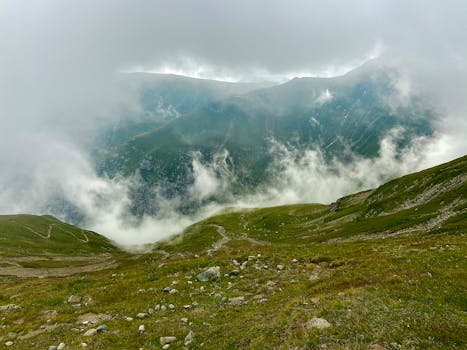
I remember the first time I stumbled upon Great Himalayan National Park, or GHNP, tucked away in Himachal Pradesh. It was a crisp morning, the kind where the mist clings to the mountains like a shy veil, and I was sipping overbrewed chai at a tiny roadside stall near Banjar. The shopkeeper, a wiry man named Ramesh, casually mentioned a trail beyond the usual tourist routes in GHNP. “Not many go there,” he said with a knowing grin, pointing towards a rugged path snaking into the forest. I was intrigued. Most people flock to Manali or Shimla, but GHNP’s undiscovered trails remain a secret, even among seasoned travelers. What makes it special? It’s the raw, untouched beauty—think dense pine forests, gushing streams, and the chance to spot a Himalayan black bear if you’re lucky. Villages like Gushaini and Rolla feel like time capsules, where locals still greet you with unfeigned warmth. If you’re craving a journey far from the beaten path, stick with me as I unravel the magic of these hidden trails.
Why Visit GHNP Undiscovered Trails?
- Untouched Wilderness — Sprawling over 1,171 sq km, GHNP is a UNESCO World Heritage Site with biodiversity that rivals few places in India.
- Rare Wildlife Sightings — Home to elusive species like the snow leopard and musk deer, offering a thrill for nature enthusiasts.
- Secluded Villages — Tiny hamlets like Shangarh and Rolla provide a glimpse into authentic Himalayan life, unmarred by commercialization.
- Challenging Treks — Trails like the Tirthan Valley loop test your endurance while rewarding you with panoramic Himalayan vistas.
- Tranquil Escapes — Unlike overcrowded hill stations, GHNP offers solitude amid nature, perfect for soul-searching or meditation.
- Cultural Immersion — Interact with locals during village homestays, learning age-old customs over homemade meals.
- Photographer’s Paradise — From cascading waterfalls to alpine meadows, every frame here is a postcard waiting to be captured.
Top Things to Do & See
Tirthan Valley Trek
Embark on a mesmerizing journey through lush forests and alongside the roaring Tirthan River. Insider tip: Start early from Gushaini village around 6 AM to catch the golden light filtering through deodar trees.
Shangarh Meadows
Discover a hidden alpine meadow surrounded by snow-capped peaks that feels straight out of a fairytale. Insider tip: Visit the ancient wooden temple nearby, often overlooked but steeped in local lore.
Rolla Village Walk
Wander through this quaint hamlet to witness traditional Himachali architecture and warm smiles. Insider tip: Ask for “Raju Bhai’s” house for a cup of herbal tea made from foraged mountain herbs.
Serloskar Lake
Trek to this high-altitude lake for breathtaking reflections of the surrounding peaks on calm days. Insider tip: Carry extra layers; the wind up here can be unexpectedly biting even in summer.
Waterfall at Bashleo Pass
Marvel at this lesser-known cascade en route to tougher trails, a perfect spot for a quick rest. Insider tip: The best view is from a small rocky outcrop just 50 meters off the main path—ask locals to point it out.
Wildlife Spotting in Sainj Valley
Keep your eyes peeled for rare fauna like the Himalayan tahr in this quieter section of GHNP. Insider tip: Hire a local guide from Banjar for Rs 800 a day; they know the best hideouts for sightings.
How to Reach GHNP Undiscovered Trails
Getting to GHNP is an adventure in itself, but with a bit of planning, it’s quite doable. The nearest major airport is Bhuntar Airport, about 50 km from the park’s entry point at Gushaini. Flights from Delhi to Bhuntar cost around Rs 5,000–7,000 per person one way, and the journey takes roughly an hour. From Bhuntar, hire a taxi for Rs 1,500 to reach Gushaini, a scenic 2-hour drive along the winding roads of Kullu Valley. If you’re coming by train, the closest railway station is Joginder Nagar, around 150 km away, connected via the narrow-gauge line from Pathankot. A shared cab from Joginder Nagar to Banjar (a key transit point) will set you back about Rs 300 per head.
For road travelers, take the National Highway NH-3 from Delhi to Aut, roughly 500 km, which takes about 12 hours by car or overnight bus. Buses from Delhi’s ISBT Kashmere Gate to Aut cost Rs 800–1,200 depending on whether you opt for a regular or Volvo service. From Aut, switch to a local taxi or shared jeep to Gushaini for Rs 500–700. The route hugs the Beas River for a stretch before veering into quieter mountain roads—watch for the iconic Larji Dam as a landmark. Once in Gushaini, most trails start within a 5–10 km radius, accessible by foot or local jeeps charging Rs 100–200 for short hops. Pro tip: Roads can be bumpy after rains, so avoid overpacking and keep essentials handy.
Best Time to Visit
The ideal window to explore GHNP’s undiscovered trails is between March and June, when the weather is pleasant with temperatures ranging from 10°C to 25°C. This period showcases blooming rhododendrons and clear skies, perfect for trekking and photography. September to November is another great shoulder season, with crisp air and temperatures dipping to 5°C at higher altitudes—ideal for those who enjoy a chill. Winters (December to February) bring heavy snowfall, making trails treacherous but stunning for seasoned adventurers with proper gear; expect sub-zero temperatures. Monsoon months, July to August, are best avoided due to slippery paths and frequent landslides, though the lush greenery is tempting. Always check local weather updates before heading out, as mountain conditions shift rapidly.
Where to Stay
Accommodation around GHNP caters to varied budgets, mostly clustered near Gushaini and Banjar. For budget travelers, homestays in Gushaini village are a steal at Rs 800–1,200 per night for a double room, often including home-cooked meals. Try “Himalayan Homestay” run by a local family—cozy and authentic. Mid-range options include guesthouses like “Tirthan Valley Retreat” near Banjar, priced at Rs 2,000–3,000 per night with basic amenities and river views. For a touch of charm, opt for boutique stays like “Rajiv’s Cottage” in Shangarh, where rooms start at Rs 4,000 per night; think wooden interiors and personalized trekking guidance. Book in advance during peak seasons, as options are limited. Camping is also popular—bring your own gear or rent tents for Rs 500 per day from local shops in Gushaini for a raw wilderness experience.
Trip Cost Breakdown (3-Day Trip for 2 People)
| Item | Cost |
|---|---|
| Accommodation (homestay, 3 nights) | Rs 3,600 |
| Food (local meals & snacks) | Rs 2,400 |
| Transport (taxi from Bhuntar & local jeeps) | Rs 2,500 |
| Activities (guide fees & entry permits) | Rs 1,500 |
| Total | Rs 10,000 |
Suggested Itineraries
- 2-Day Quick Escape
- Day 1: Arrive in Gushaini by noon, check into a homestay, and explore nearby Tirthan River trails (2–3 hours, start at 3 PM). Evening by the riverside with bonfire.
- Day 2: Early 6 AM start for a half-day trek to Rolla village (4–5 hours round trip). Return by 2 PM, grab lunch at a local dhaba, and head back to Bhuntar by evening.
- 3-Day Deep Dive
- Day 1: Reach Gushaini by midday, settle into accommodation, and take a leisurely 2-hour walk to nearby waterfalls starting at 4 PM. Relax with locals over dinner.
- Day 2: Begin at 7 AM for a full-day trek to Shangarh Meadows (6–7 hours round trip). Picnic lunch at the meadow, return by 5 PM for a quiet evening.
- Day 3: Start at 8 AM for a wildlife spotting tour in Sainj Valley with a guide (4 hours). Post-lunch at 1 PM, shop for local honey in Banjar before departing.
Ideal For
- Nature lovers seeking unspoiled landscapes and biodiversity.
- Trekkers looking for moderate to challenging Himalayan trails.
- Solo travelers craving solitude away from touristy chaos.
- Photographers aiming to capture raw mountain beauty.
- Cultural explorers interested in authentic village life.
Safety, Permits & Local Etiquette
- Inner Line Permit: Not required for Indian nationals, but foreigners need to register at the park office in Banjar with a valid ID and pay a nominal fee of Rs 150.
- Mobile Connectivity: Patchy at best—BSNL works sporadically in Gushaini, but higher trails have no signal. Inform family beforehand.
- Solo Female Traveller: Generally safe with friendly locals, but stick to guided treks and avoid isolated areas after dark. Carry a whistle for emergencies.
- Do's & Don'ts: Respect village customs—ask before photographing people. Avoid littering; carry trash back. Dress modestly in villages. Don’t disturb wildlife or stray off marked trails.
Hidden Tips Only Repeat Visitors Know
- Carry cash; ATMs are scarce, and card payments aren’t accepted in most places around Gushaini.
- Buy local honey from “Sharma Ji’s Shop” in Banjar—pure, organic, and just Rs 300 for a small jar.
- Pack lightweight rain gear even in dry seasons; sudden showers are common on higher trails.
- Chat with porters in Gushaini for unpublished trail updates—they charge Rs 500 a day and double as storytellers.
- Visit the tiny “Mountain Cafe” near Rolla for the best Maggi; it’s a trekker’s unspoken ritual.
- Avoid weekends for treks to Shangarh; small groups from Kullu often crowd the meadow.
- Bargain politely for local jeep rides—drivers quote Rs 300 but often settle for Rs 200.
- Download offline maps; signboards are rare, and GPS fails in dense forest patches.
Frequently Asked Questions
Q: Is GHNP Undiscovered Trails worth visiting?
Absolutely, if you’re after an authentic Himalayan experience minus the tourist clutter. GHNP offers pristine trails, rare wildlife, and serene villages that feel worlds away from commercial hill stations. It’s a paradise for trekkers and nature lovers who value solitude. Just be prepared for basic facilities and rugged paths.
Q: How many days are enough for GHNP Undiscovered Trails?
Three days are ideal to soak in the essence of GHNP, covering key trails like Tirthan Valley and Shangarh Meadows. A 2-day trip works for a quick escape, focusing on nearby spots. More days allow deeper exploration into remote valleys. It depends on your pace and trekking stamina.
Q: Is GHNP Undiscovered Trails safe for solo female travellers?
Yes, it’s relatively safe with welcoming locals, but caution is key. Stick to guided treks or travel with a group, especially on isolated trails. Avoid venturing out alone at night. Carrying pepper spray and staying in well-known homestays adds an extra layer of security.
Q: Which is better — GHNP Undiscovered Trails or Manali?
It depends on your vibe. Manali offers more amenities, nightlife, and accessibility but is crowded. GHNP is raw, peaceful, and perfect for offbeat treks with minimal tourist interference. Choose GHNP if nature and solitude are your priorities over urban comforts.
Q: Do I need permits for GHNP Undiscovered Trails?
Indian nationals don’t need special permits, just a small entry fee of Rs 50 at the park gate in Gushaini. Foreigners must register at the Banjar office with ID proof and pay Rs 150. Always carry identification for spot checks. Guides are recommended for restricted zones.
Q: Is GHNP Undiscovered Trails expensive?
Not at all—GHNP is quite budget-friendly compared to popular hill stations. A 3-day trip for two can cost under Rs 10,000, covering stay, food, and transport. Homestays and local dhabas keep expenses low. Costs rise if you hire private guides or opt for premium stays.