Any Stay. Anywhere. Up to 26% Off
Unlock rates up to 26% off, one call away
We hunt down one-on-one deals across 2M+ stays in 50+ countries-not listings, just better prices.
Summary
- GHNP Deep Trails: A pristine, offbeat Himalayan treasure.
- Unspoiled nature with serene, crowd-free trekking paths.
- Perfect for adventurers seeking peace over touristy chaos.
- Budget-friendly escapes with authentic local experiences.
- Hidden gem in the heart of Himachal Pradesh.
- Ideal for soulful, immersive wilderness journeys.
GHNP Deep Trails
I still remember that crisp morning when I first stepped into the Great Himalayan National Park (GHNP) area, the air thick with the scent of pine and a faint mist clinging to the towering deodars. It was barely 6 AM, and the silence was broken only by the distant gurgle of the Tirthan River. A local shepherd, clad in a weathered woolen shawl, nodded at me as he guided his flock near the village of Gushaini, offering a shy smile before pointing me toward a lesser-known trail. That moment felt like stepping into a secret world, one that most travelers miss while chasing Himachal’s more crowded spots like Manali or Shimla. GHNP Deep Trails, tucked away in the Kullu district, remain underrated despite being part of a UNESCO World Heritage Site. What makes it special? It’s the raw, untouched beauty—think dense forests, alpine meadows, and trails like the one to Rolla that feel like they’ve been whispered about only among locals. The park’s biodiversity, from elusive snow leopards to vibrant Himalayan monals, adds a layer of magic. If you’re craving a journey that’s more about discovery than selfies, stick with me as I unravel the best of this hidden paradise.
Why Visit GHNP Deep Trails?
- Untouched Wilderness — Spanning over 1,171 sq km, GHNP shelters rare fauna like the Himalayan brown bear.
- Secluded Trails — Trekking routes like Sainj and Jiwa Nala are far from commercial clutter.
- Cultural Immersion — Interact with villagers in Gushaini who still follow age-old Pahari traditions.
- Photographer’s Haven — Capture surreal vistas of snow-capped peaks and cascading waterfalls.
- Eco-Conscious Travel — The park promotes sustainable tourism with minimal human footprint.
- Affordable Adventure — Entry fees are as low as Rs 50 for Indian nationals.
- Spiritual Solitude — Meditative silence amidst ancient cedar forests rejuvenates the soul.
Top Things to Do & See
Rolla Trek
A moderate 5-km hike from Gushaini, offering panoramic views of the Tirthan Valley. Insider tip: Start early around 5 AM to spot shy Himalayan wildlife near the water streams.
Tirthan River Walk
Stroll along the river’s pebbled banks for a calming escape amidst gushing waters. Insider tip: Ask locals for the hidden wooden bridge near Nagini village for the best photo spot.
Sainj Valley Exploration
A rugged trail leading to remote hamlets surrounded by dense oak forests. Insider tip: Carry cash to buy homemade honey from villagers at Shakti village.
Waterfall at Bashleo Pass
A lesser-known cascade reachable after a 3-hour trek, perfect for a quiet picnic. Insider tip: Visit post-monsoon for the fullest flow and vibrant greenery.
Wildlife Spotting at Ecozone
Scan for rare species like the musk deer in the park’s buffer zone. Insider tip: Hire a local guide from Gushaini for Rs 500 to increase your chances.
Village Homestay Experience
Live with Pahari families in Pekhri or Ropa for authentic cultural insights. Insider tip: Request a meal of siddu, a local steamed bread, for dinner.
How to Reach GHNP Deep Trails
Getting to GHNP Deep Trails requires a bit of planning, but the journey is half the adventure. The nearest major town is Kullu, about 60 km away. If you’re flying in, Bhuntar Airport (Kullu-Manali Airport) is the closest, roughly 50 km from the park’s entry point at Gushaini. Flights from Delhi to Bhuntar cost around Rs 5,000–7,000 one way, depending on the season. From Bhuntar, hire a local taxi for Rs 1,500 to reach Gushaini, the gateway to GHNP.
By train, the nearest railway station is Joginder Nagar, about 150 km away, connected via the narrow-gauge line from Pathankot. However, most travelers prefer reaching Chandigarh (250 km away) by train and then taking a bus or taxi. Overnight Volvo buses from Delhi to Kullu start at Rs 1,200 per seat and take about 10–12 hours. From Kullu, hop on a local HRTC bus to Aut (Rs 50) and then a shared taxi to Gushaini for Rs 100 per person.
If driving, take the NH-3 from Chandigarh towards Kullu, passing through Mandi. At Aut, divert towards Banjar on the Banjar-Gushaini Road. The stretch from Aut to Gushaini (30 km) is narrow and winding, so drive cautiously, especially after dark. Fuel up at Banjar as there are no petrol pumps beyond. Parking near Gushaini costs Rs 50 per day at designated spots. Pro tip: Carry snacks and water as roadside dhabas are sparse after Banjar, though you can stop at Sai Ropa Dhaba for a quick paratha (Rs 40).
Best Time to Visit
The ideal window for GHNP Deep Trails is between March to June and September to November. During spring (March-May), temperatures hover between 10°C to 20°C, with blooming rhododendrons painting the trails red and pink. Summer (June) is pleasant at 15°C to 25°C, perfect for trekking. Post-monsoon months (September-November) bring clear skies, crisp air, and temperatures of 8°C to 18°C, ideal for photography. Winters (December-February) see heavy snowfall, with temperatures dipping to -5°C; trails can be inaccessible unless you’re equipped for snow treks. Monsoon (July-August) is risky due to landslides and slippery paths, though the lush greenery is tempting. I’d advise sticking to shoulder seasons for safety and comfort.
Where to Stay
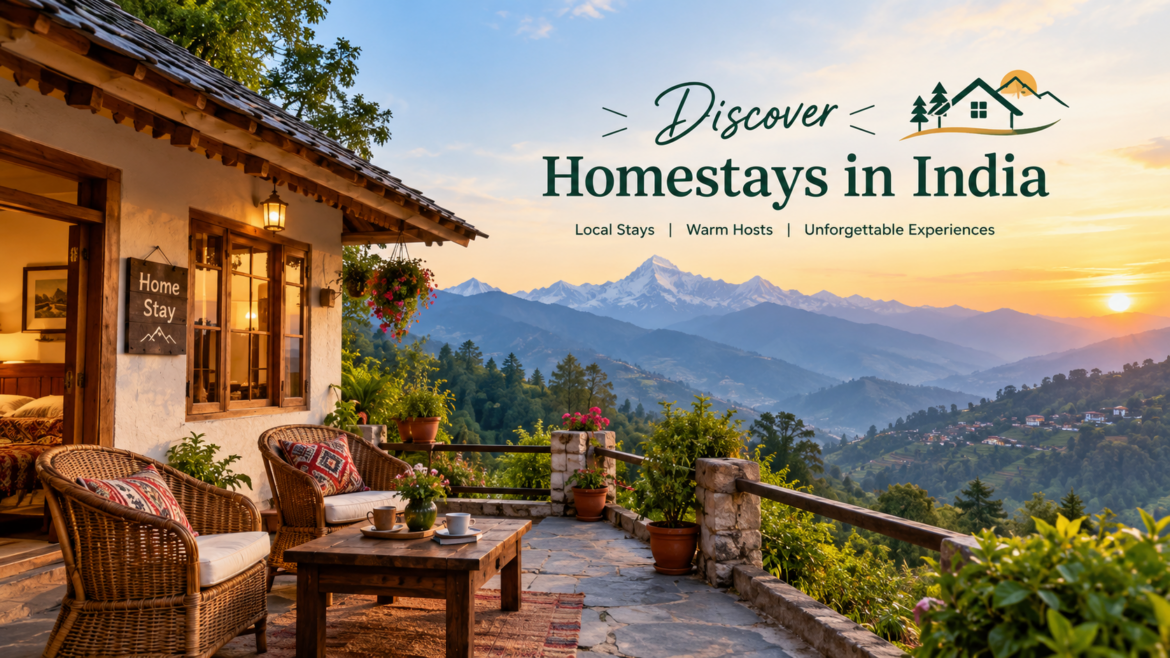
Accommodation around GHNP Deep Trails caters to various budgets, mostly concentrated in Gushaini and nearby villages like Nagini. For budget travelers, guesthouses like Himalayan Trout House in Nagini offer basic rooms for Rs 800–1,000 per night with shared bathrooms. Mid-range options include Raju Bharti’s Guest House in Gushaini, where cozy rooms with river views go for Rs 1,500–2,000 per night, including hot water and home-cooked meals. If you’re looking for something a bit more unique, boutique stays like Tirthan Valley Stay near Pekhri provide wooden cottages with modern amenities for Rs 3,000–4,000 per night. Homestays in Ropa village are another gem, costing around Rs 1,200 per night with meals; ask for a family-run setup through locals at Gushaini market. Book in advance during peak months as options fill up fast, especially near the park entry.
Trip Cost Breakdown (3-Day Trip for 2 People)
| Item | Cost |
|---|---|
| Accommodation (Mid-range, 3 nights) | Rs 6,000 |
| Food (Meals at local dhabas & homestays) | Rs 3,000 |
| Transport (Taxi from Bhuntar & local travel) | Rs 2,500 |
| Activities (Guide fees, park entry) | Rs 1,500 |
| Total | Rs 13,000 |
Suggested Itineraries
- 2-Day Quick Escape
- Day 1: Arrive in Gushaini by noon, check into a homestay, and spend the afternoon walking along Tirthan River (2 PM–5 PM). Evening bonfire with locals (7 PM onwards).
- Day 2: Early start for Rolla Trek (5 AM–11 AM), return for lunch at a dhaba (12 PM), and depart by 3 PM.
- 3-Day Deep Dive
- Day 1: Reach Gushaini by 11 AM, settle into accommodation, and explore nearby Nagini village (2 PM–5 PM). Dinner with a Pahari family (7 PM).
- Day 2: Full-day Sainj Valley trek with a guide (6 AM–4 PM), stopping at Shakti for tea. Evening rest by the river (5 PM–7 PM).
- Day 3: Morning visit to Bashleo Pass waterfall (7 AM–11 AM), lunch at a local eatery (12 PM), and depart by 2 PM.
Ideal For
- Nature enthusiasts craving unspoiled landscapes and biodiversity.
- Trekkers looking for moderate to challenging Himalayan trails.
- Solo travelers seeking solitude away from tourist traps.
- Budget explorers wanting authentic experiences without breaking the bank.
- Photographers aiming to capture raw, dramatic mountain scenery.
Safety, Permits & Local Etiquette
- Inner Line Permit: Not required for Indian nationals; foreigners need to register at the park office in Shamshi with a valid visa and pay a nominal fee of Rs 150.
- Mobile Connectivity: Network is patchy; BSNL works sporadically in Gushaini, but don’t expect coverage on deeper trails. Inform family before heading out.
- Solo Female Traveller: Generally safe with friendly locals, but stick to guided treks and avoid isolated trails after dark. Carry a whistle for emergencies.
- Do’s & Don’ts: Respect local customs by dressing modestly in villages; don’t litter as the park is eco-sensitive; ask permission before photographing people; carry reusable water bottles to minimize plastic waste.
Hidden Tips Only Repeat Visitors Know
- Bargain for handmade woolen socks at Gushaini market; they’re perfect for treks and cost just Rs 100 a pair.
- Visit the tiny tea stall near Rolla trailhead run by Uncle Sharma for the best ginger chai (Rs 10).
- Pack lightweight rain gear even in dry seasons; sudden showers are common above 2,000 meters.
- Chat with forest guards at the GHNP entry for unpublished trail updates and wildlife sighting spots.
- Buy local rajma (kidney beans) from Banjar market for Rs 80/kg as a tasty souvenir.
- Avoid weekends for treks; midweek trails are quieter with better chances of spotting wildlife.
- Carry cash in small denominations; ATMs are scarce past Aut, and vendors rarely accept cards.
- If staying in homestays, offer to help with small chores like firewood collection for a richer cultural exchange.
Frequently Asked Questions
Q: Is GHNP Deep Trails worth visiting?
Absolutely, if you’re after a raw, uncommercialized Himalayan experience. Unlike over-touristed spots, GHNP offers solitude, diverse wildlife, and trails that feel personal. It’s a paradise for trekkers and nature lovers who value peace over amenities. Just don’t expect luxury; it’s all about the wild charm.
Q: How many days are enough for GHNP Deep Trails?
Three days are ideal to soak in the essence of GHNP, covering key treks like Rolla and Sainj Valley. Two days work for a quick getaway if time’s tight. Any less, and you’ll miss the deeper trails. Plan according to your trekking stamina and interests.
Q: Is GHNP Deep Trails safe for solo female travellers?
It’s relatively safe with welcoming locals, but caution is key. Stick to guided treks, stay in populated areas like Gushaini, and avoid venturing alone into remote trails at night. Carry pepper spray for added security and inform your accommodation of your plans.
Q: Which is better — GHNP Deep Trails or Manali?
It depends on your vibe. Manali offers accessibility, nightlife, and varied activities but is crowded. GHNP Deep Trails are for those seeking quiet, pristine nature without tourist chaos. Pick GHNP if solitude and raw landscapes are your priority over urban comforts.
Q: Do I need permits for GHNP Deep Trails?
Indian nationals don’t need permits, just a small entry fee of Rs 50 at the park gate. Foreigners must register at the Shamshi office with passport details and pay Rs 150. Always carry ID for verification. Check with local authorities for any sudden policy changes before traveling.
Q: Is GHNP Deep Trails expensive?
Not at all; it’s one of Himachal’s most budget-friendly destinations. A 3-day trip for two can cost under Rs 13,000, covering stay, food, and transport. Meals at local dhabas are cheap (Rs 100–150 per person), and entry fees are nominal. It’s value-packed for the experience you get.