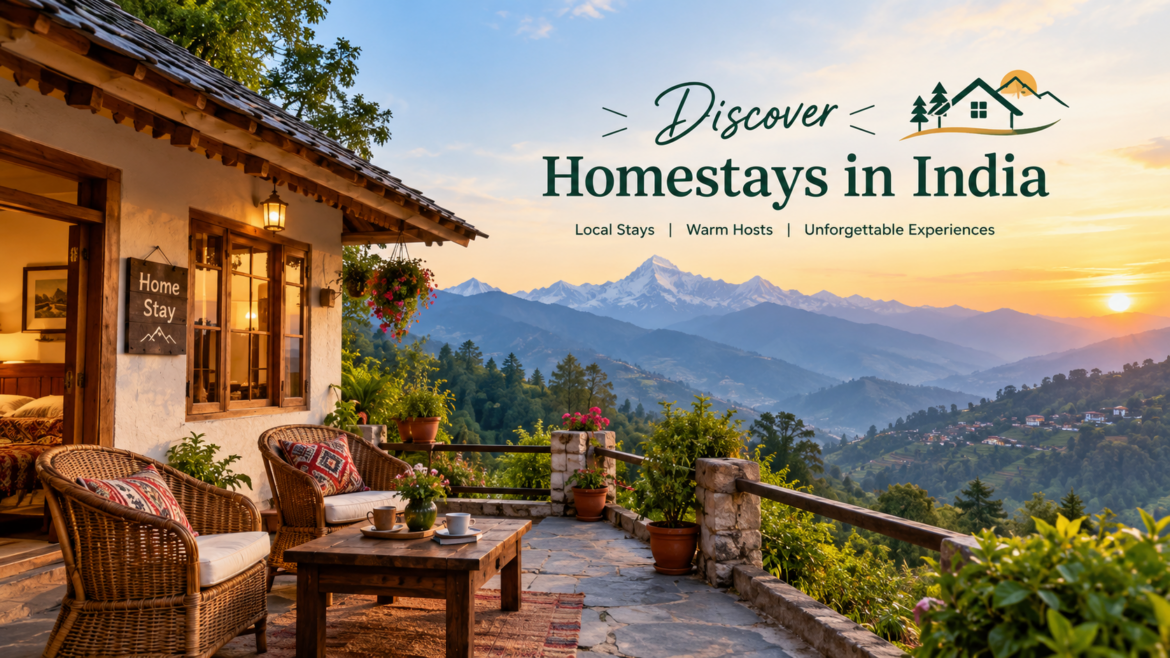
Any Stay. Anywhere. Up to 26% Off
Unlock rates up to 26% off, one call away
We hunt down one-on-one deals across 2M+ stays in 50+ countries-not listings, just better prices.
Summary
- Pangi Valley: A true hidden gem in Himachal Pradesh.
- Perfect for offbeat explorers seeking untouched beauty.
- Offers serene landscapes and peaceful village vibes.
- Ideal for budget travelers craving authentic experiences.
- Remote yet rewarding with unparalleled natural charm.
- A rare escape from crowded tourist traps.
Pangi Valley
As I maneuvered my bike along the precarious, winding roads of Himachal Pradesh, the world seemed to fall away, revealing a secret I hadn’t anticipated. Pangi Valley, nestled in the Chamba district, emerged like a forgotten dream—rugged, raw, and breathtakingly beautiful. My first glimpse of the Chenab River cutting through steep gorges, with snow-capped peaks guarding quaint hamlets, felt like stumbling upon a painting come to life. This remote valley, often overlooked by mainstream travelers, holds a quiet magic that’s hard to describe. It’s a place where time slows down, where the air is crisp with the scent of pine, and where every turn reveals a new wonder. Underrated doesn’t even begin to cover it—Pangi is a sanctuary for those willing to venture beyond the ordinary. In this guide, you’ll discover why Pangi Valley deserves a spot on your travel list, along with insider tips on how to explore its hidden corners, where to stay, and the best ways to soak in its untouched allure.
Why Visit Pangi Valley?
- Untouched Natural Beauty — Surrounded by towering Himalayan peaks, Pangi offers dramatic landscapes with the Chenab River carving through deep gorges.
- Remote Serenity — Far from tourist crowds, it’s a haven of peace with minimal commercialization and maximum tranquility.
- Cultural Richness — Home to the Pangwala and Bhot tribes, the valley showcases unique traditions, festivals, and warm hospitality.
- Adventure Potential — Ideal for trekkers and bikers, with challenging routes like the Sach Pass, one of India’s toughest mountain passes.
- Rare Flora and Fauna — Spot elusive Himalayan wildlife like ibex and snow leopards if you’re lucky, amidst dense cedar forests.
- Photographer’s Paradise — Every frame captures raw, unfiltered beauty, from cascading waterfalls to terraced fields against stark cliffs.
- Offbeat Credibility — Visiting Pangi feels like a badge of honor for true explorers seeking destinations beyond the usual circuits.
Top Things to Do & See
Sach Pass
Marvel at one of India’s most treacherous yet stunning mountain passes at 4,420 meters. Insider Tip: Stop at the small tea stall just before the pass for a hot brew with panoramic views.
Hudaan Bhatori Village
Experience authentic Pangwala culture in this remote village with traditional wooden homes. Insider Tip: Ask locals about the annual Minjar Fair celebrations for a deeper cultural dive.
Chenab River Views
Witness the mighty Chenab slicing through dramatic gorges, a sight that’s both humbling and exhilarating. Insider Tip: Early mornings offer the best light for photography along the riverbanks.
Trekking to Miyar Valley
Embark on a challenging trek to this lesser-known valley for jaw-dropping glacial vistas. Insider Tip: Hire a local guide from Killar for safer navigation through unmapped trails.
Killar Town
Explore the administrative hub of Pangi, a quaint town with basic amenities and warm locals. Insider Tip: Visit the small local market for handmade woolens as unique souvenirs.
Sural Bhatori Waterfall
Discover this hidden cascade surrounded by lush greenery, perfect for a quiet picnic. Insider Tip: Carry snacks as there are no shops nearby, and enjoy a serene dip if the water’s calm.
How to Reach Pangi Valley
Pangi Valley is remote, and reaching it is part of the adventure. The nearest airport is Bhuntar Airport near Kullu, about 250 kilometers away, with flights connecting to major cities like Delhi. From there, you’ll need to hire a taxi or take a bus to Chamba, the nearest major town, around 180 kilometers from Pangi’s entry point. The nearest railway station is Pathankot, roughly 200 kilometers from Chamba, with regular trains from Delhi and other northern cities. From Chamba, the journey to Pangi Valley, specifically Killar (the main town), is about 170 kilometers via the treacherous Sach Pass route. This road trip takes around 10–12 hours due to narrow, winding paths and seasonal challenges. Hiring a private taxi from Chamba costs approximately Rs 5,000–6,000 one way, while shared jeeps, if available, may cost Rs 800–1,000 per person. Biking enthusiasts often take this route for the thrill, but ensure your vehicle is in top condition. Note that roads are often closed in winter due to heavy snowfall, so plan accordingly.
Best Time to Visit
The ideal time to visit Pangi Valley is during the summer months from June to September, when the weather is pleasant with temperatures ranging between 10°C to 25°C. This period offers clear skies, accessible roads, and lush green landscapes perfect for trekking and sightseeing. The shoulder season of May and October is also viable, with slightly cooler temperatures (5°C to 20°C) and fewer visitors, though there’s a risk of sudden road closures due to early snow or rain. Winter, from November to April, sees heavy snowfall, with temperatures dropping below 0°C, making travel nearly impossible as Sach Pass remains shut. Monsoon, particularly July to August, brings heavy rainfall, increasing the risk of landslides on the narrow roads, so it’s best avoided unless you’re an experienced adventurer prepared for challenges.
Where to Stay
Accommodation in Pangi Valley is limited due to its remote nature, but there are options catering to different budgets, mostly around Killar, the central hub. For Budget Travelers, guesthouses and homestays in Killar offer basic rooms with shared facilities for Rs 500–1,000 per night; look for family-run setups near the main market for a warm, local experience. Mid-Range Options include small hotels like Hotel Pangi in Killar, with clean rooms and attached bathrooms for Rs 1,500–2,500 per night, often including simple meals. For a more unique stay, Boutique Homestays in villages like Hudaan Bhatori provide a cultural immersion with traditional decor and home-cooked food for Rs 2,000–3,000 per night; booking ahead through local contacts or travel forums is advisable. Always carry extra cash as digital payments are rarely accepted, and pack warm layers as heating isn’t standard in most places.
Trip Cost Breakdown (3-Day Trip for 2 People)
| Item | Cost |
|---|---|
| Accommodation (3 nights, mid-range) | Rs 6,000 |
| Food (meals for 3 days) | Rs 3,000 |
| Transport (taxi from Chamba & local travel) | Rs 12,000 |
| Activities (trekking, guides, entry fees) | Rs 2,000 |
| Total | Rs 23,000 |
Suggested Itineraries
- 2-Day Quick Escape
- Day 1: Arrive in Killar by noon via Chamba-Sach Pass route (10–12 hours). Check into a guesthouse, relax, and explore the local market in the evening (5–7 PM).
- Day 2: Start early (7 AM) for a short trek to Sural Bhatori Waterfall (3–4 hours round trip). Return by noon, enjoy lunch, and depart for Chamba by 2 PM.
- 3-Day Deep Dive
- Day 1: Reach Killar by midday after the long drive from Chamba (10–12 hours). Settle into accommodation and spend the evening (6–8 PM) walking along the Chenab River viewpoints.
- Day 2: Begin at 8 AM with a visit to Hudaan Bhatori Village (1-hour drive + 2-hour exploration). Post lunch, trek to nearby Sural Bhatori Waterfall (3–4 hours), returning by 6 PM.
- Day 3: Start at 7 AM for a scenic drive towards Sach Pass (2–3 hours one way), soak in the views, and return to Killar by 1 PM for departure to Chamba.
Ideal For
- Adventure seekers looking for challenging treks and thrilling drives over high mountain passes.
- Nature lovers craving pristine landscapes, untouched forests, and serene river views.
- Cultural enthusiasts eager to experience unique tribal traditions and village life.
- Offbeat travelers who prefer remote destinations over crowded tourist spots.
- Photographers hunting for raw, dramatic frames of the Himalayas and rural settings.
Safety, Permits & Local Etiquette
- Inner Line Permit: Indian nationals don’t require permits to enter Pangi Valley, but foreign travelers may need an Inner Line Permit for certain restricted areas near borders; check with authorities in Chamba before traveling.
- Mobile Connectivity: Network coverage is spotty at best, with only BSNL offering intermittent service in Killar. Don’t rely on mobile data; carry a satellite phone for emergencies if trekking deep into the valley.
- Solo Female Traveller: Pangi is relatively safe due to its small, close-knit communities, but solo female travelers should avoid isolated treks, stick to populated areas like Killar, and travel in groups if possible.
- Do’s & Don’ts: Respect local customs by dressing modestly, especially in villages. Avoid littering as the region is ecologically sensitive. Always ask permission before photographing locals. Carry cash as ATMs are non-existent.
Hidden Tips Only Repeat Visitors Know
- Pack high-calorie snacks like nuts and energy bars; food options are limited outside Killar, especially on treks.
- Hire local drivers for the Sach Pass route; they know the terrain and can navigate sudden weather changes better.
- Carry a portable stove and basic cooking gear if camping, as firewood can be scarce in higher altitudes.
- Visit during local festivals like Losar for an authentic glimpse into Pangwala traditions; ask in Killar for exact dates.
- Keep a spare tire and basic repair tools if driving or biking; mechanics are rare, and help can take hours.
- Stock up on essentials like medicines and toiletries in Chamba; shops in Pangi have minimal supplies.
- Chat with locals at tea stalls for unpublished trekking routes; they often know shortcuts to hidden spots.
- Layer up even in summer; temperatures drop sharply at night, especially above 3,000 meters.
Frequently Asked Questions
Q: Is Pangi Valley worth visiting?
Absolutely, if you crave offbeat destinations with raw natural beauty. Pangi offers stunning Himalayan vistas, serene villages, and a peaceful escape from crowded spots. It’s a paradise for adventurers and nature lovers willing to tackle remote routes.
Q: How many days are enough for Pangi Valley?
A 2–3 day trip is ideal to cover key spots like Killar, Sach Pass, and nearby villages. If you’re into trekking or deep cultural immersion, extend to 4–5 days. Rushing through in less than 2 days won’t do justice to its charm.
Q: Is Pangi Valley safe for solo female travellers?
It’s relatively safe due to the welcoming local communities, but caution is advised. Stick to populated areas like Killar, avoid solo treks in remote zones, and travel with a group if possible. Always inform someone about your plans.
Q: Which is better — Pangi Valley or Spiti Valley?
It depends on your vibe. Pangi is more remote, raw, and less touristy, perfect for pure solitude and challenging drives. Spiti offers more accessible infrastructure and dramatic high-altitude deserts. Choose Pangi for untouched wilderness, Spiti for a slightly easier adventure.
Q: Do I need permits for Pangi Valley?
Indian nationals don’t need permits to visit Pangi Valley. However, foreign travelers might require an Inner Line Permit for certain border-adjacent areas. It’s best to confirm with local authorities in Chamba before planning your trip.
Q: Is Pangi Valley expensive?
No, Pangi is quite budget-friendly compared to popular Himalayan destinations. Accommodation and food are affordable, with basic stays starting at Rs 500 per night. The main cost is transport due to its remote location, but overall, it’s value for money.