Unakoti
Dream it. Describe it. Discover it.
Find your perfect Madhya Pradesh stay on Unpaqd — with our AI search feature
Curated 4.5+ rated homestays, price-match guarantee, and zero commissions-so you never overpay or settle. Just describe your ideal stay, and we'll do the rest.
Explore stays on UnpaqdTL;DR Summary
- Unakoti: A mystical hidden gem in Tripura's lush hills.
- Offbeat destination with ancient rock carvings and serene vibes.
- Perfect for history buffs and nature lovers alike.
- Peaceful escape far from crowded tourist traps.
- Budget-friendly with authentic local experiences.
- A cultural treasure waiting to be explored.
Unakoti
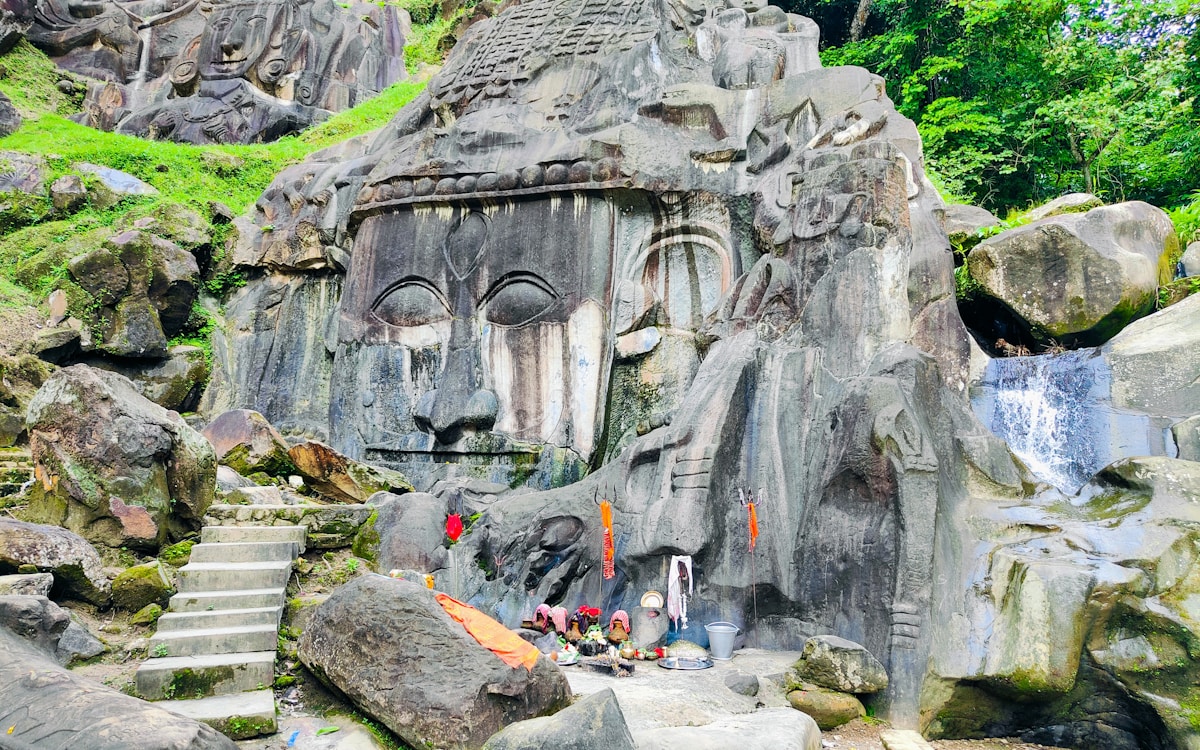
As I trekked through the dense, emerald forests of Tripura, the air thick with the scent of wildflowers, I stumbled upon a sight that stopped me in my tracks. Towering rock carvings, some as high as 30 feet, loomed over me—intricate faces and figures etched into the hills of Unakoti, a place few have heard of, let alone visited. Legend has it that these carvings, numbering almost a crore (hence the name Unakoti, meaning "one less than a crore"), were crafted by divine hands overnight. It felt like stepping into a forgotten chapter of history, where every stone whispered tales of gods and artisans. This underrated marvel, tucked away in India’s Northeast, remains untouched by mass tourism, offering a raw, spiritual connection to the past. What makes it truly special is its blend of mystery, nature, and solitude—a rare find in today’s world of over-hyped destinations.
In this guide, you’ll discover why Unakoti deserves a spot on your travel list, the best things to see and do, practical tips on reaching and staying, and insider hacks to make your trip unforgettable.
Why Visit Unakoti?
- Ancient Rock Art — Home to one of the largest bas-relief sculptures in India, depicting Hindu deities with mesmerizing detail.
- Spiritual Aura — A sacred site for Shiva devotees, especially during the Ashokashtami Mela, drawing pilgrims for its divine energy.
- Untouched Nature — Surrounded by lush hills and waterfalls, offering serene trails for quiet introspection or photography.
- Offbeat Charm — Far from commercial clutter, it’s a destination where you can truly disconnect and soak in history.
- Cultural Depth — Local tribal communities add a layer of warmth and tradition, with stories passed down for generations.
- Affordable Exploration — Minimal entry fees and low-cost local food make it a wallet-friendly cultural escape.
- Photographer’s Paradise — The interplay of ancient carvings against a backdrop of green hills creates stunning frames.
Top Things to Do & See
Unakoti Rock Carvings
Marvel at the colossal stone sculptures of Lord Shiva and other deities, carved directly into the hillside with otherworldly precision. Insider tip: Visit at sunrise when the first light casts dramatic shadows on the carvings, revealing hidden details.
Ashokashtami Mela
Experience the vibrant local festival held annually, where pilgrims gather to bathe in nearby streams and offer prayers. Insider tip: Chat with local sadhus for folklore about the carvings’ origins—they often know untold stories.
Chabimura
Explore this nearby site along the Gomati River, famous for its rock-cut images of deities on steep cliffs. Insider tip: Hire a local boatman for a quiet ride to see carvings that are only visible from the water.
Raghunandan Hills
Hike up these scenic hills for panoramic views of Unakoti and its surrounding greenery, a perfect spot for solitude. Insider tip: Carry binoculars to spot rare birds that nest in the dense foliage here.
Local Tribal Villages
Immerse yourself in the culture of Tripura’s indigenous communities, known for their hospitality and traditional crafts. Insider tip: Ask to see handwoven textiles—some families sell unique pieces as souvenirs.
Waterfalls Near Unakoti
Discover small, hidden cascades in the vicinity, ideal for a refreshing dip after exploring the carvings. Insider tip: Locals know secret paths to less-visited falls—politely ask for directions near Kailashahar.
How to Reach Unakoti
Unakoti is located in the Kailashahar subdivision of Tripura, a remote yet accessible destination in India’s Northeast. The nearest airport is Maharaja Bir Bikram Airport in Agartala, about 170 kilometers away. From there, you can hire a taxi or take a shared cab to Kailashahar, which takes roughly 4–5 hours and costs around Rs 3,000–4,000 for a private car. If you prefer trains, the closest railway station is Kumarghat, 30 kilometers from Unakoti. Kumarghat is connected to Agartala and other Northeastern cities, and a shared auto or taxi from the station to Unakoti costs about Rs 500–800, taking around 45 minutes. By road, Unakoti is well-connected via NH-8; from Agartala, it’s a 5-hour drive, while from Silchar in Assam, it’s about 100 kilometers and takes 3 hours. Public buses are available but less frequent, so plan accordingly. For the most scenic route, drive from Agartala through rolling hills and tribal villages—it’s a journey as beautiful as the destination.
Best Time to Visit
The ideal time to visit Unakoti is during the cooler months, from October to March, when temperatures range between 15°C and 25°C, making exploration comfortable. This peak season also aligns with the Ashokashtami Mela, a cultural highlight if you’re keen on festivals. The shoulder months of April and September are slightly warmer, hovering around 25°C to 30°C, but still pleasant with fewer visitors. Monsoon, from June to August, brings heavy rainfall, turning the hills lush but slippery—trekking to carvings or nearby waterfalls can be tricky, though the scenery is breathtaking. Avoid visiting during peak summer (May), as temperatures can climb above 35°C, making outdoor activities less enjoyable. Pack light layers for winter and rain gear if you’re braving the wet season.
Where to Stay
Accommodation options near Unakoti are limited due to its offbeat nature, but there are a few comfortable choices in and around Kailashahar, about 10–15 kilometers away. For budget travelers, consider government-run guesthouses like the Tripura Tourism Yatri Niwas in Kailashahar, offering basic rooms starting at Rs 500–800 per night with clean amenities. For mid-range comfort, Hotel Unakoti in Kailashahar provides decent rooms with air conditioning and hot water for Rs 1,500–2,000 per night, ideal for families or couples. If you’re looking for a boutique experience, opt for private homestays near Kailashahar, often run by local families, costing Rs 2,000–3,000 per night with home-cooked meals and a personal touch—book in advance as they fill up quickly during festivals. Staying closer to Agartala and making a day trip is also an option if you prefer more upscale hotels, though it adds travel time.
Trip Cost Breakdown (3-Day Trip for 2 People)
| Item | Cost |
|---|---|
| Accommodation (Mid-range, 2 nights) | Rs 4,000 |
| Food (Local meals and snacks) | Rs 3,000 |
| Transport (Taxi from Agartala and local autos) | Rs 5,000 |
| Activities (Entry fees and boat rides) | Rs 1,000 |
| Total | Rs 13,000 |
Suggested Itineraries
- 2-Day Quick Escape
- Day 1: Arrive in Kailashahar by noon, check into accommodation, and head to Unakoti Rock Carvings by 2 PM for a 3-hour exploration. Evening at leisure in town, tasting local fish curry at a small eatery.
- Day 2: Start early at 7 AM for a short hike in Raghunandan Hills, return by noon, visit a nearby tribal village till 3 PM, and depart by evening.
- 3-Day Deep Dive
- Day 1: Reach Kailashahar by midday, settle in, and spend the afternoon from 2 PM to 5 PM at Unakoti Rock Carvings, capturing photos at sunset. Dinner at a local joint by 8 PM.
- Day 2: Begin at 8 AM with a trip to Chabimura for boat rides and rock-cut views till 1 PM, then explore nearby waterfalls from 2 PM to 4 PM. Return for a relaxed evening.
- Day 3: Morning hike in Raghunandan Hills from 7 AM to 10 AM, followed by a visit to a tribal village till 2 PM for cultural insights, and depart by late afternoon.
Ideal For
- History and archaeology enthusiasts fascinated by ancient rock art.
- Spiritual seekers looking for sacred, less commercialized pilgrimage spots.
- Nature lovers craving serene hills and untouched landscapes.
- Offbeat travelers hunting for destinations away from tourist crowds.
- Photographers eager to capture unique cultural and natural frames.
- Budget explorers wanting an affordable yet enriching getaway.
Safety, Permits & Local Etiquette
- Inner Line Permit: Not required for Indian nationals to visit Unakoti or Tripura. Foreign tourists may need to register at the border or airport, so check with local authorities beforehand.
- Mobile Connectivity: Network coverage is patchy in remote areas around Unakoti. Major providers work in Kailashahar, but carry cash as ATMs and digital payments may not always be reliable.
- Solo Female Traveller: Generally safe with friendly locals, but stick to daylight hours for exploration and avoid isolated trails alone. Dress modestly to respect cultural norms.
- Do's & Don'ts: Do interact respectfully with locals and ask permission before photographing people. Don’t litter near sacred sites or carvings—carry a small trash bag. Do wear comfortable shoes for uneven terrain. Don’t touch or climb on the rock carvings to preserve them.
Hidden Tips Only Repeat Visitors Know
- Visit Unakoti early in the morning to avoid small crowds and catch the best light for photography.
- Carry a reusable water bottle—local shops near the site often overcharge for bottled water.
- Hire a local guide for Rs 200–300; they share lesser-known myths about the carvings.
- Try mui borok, a traditional Tripuri dish, at roadside stalls in Kailashahar for authentic flavors.
- Pack insect repellent—mosquitoes can be a nuisance, especially near waterfalls during monsoon.
- If visiting during Ashokashtami Mela, arrive a day early to secure a good viewing spot.
- Bargain politely for souvenirs like handmade bamboo crafts in local markets.
- Keep small change handy—autos and vendors rarely have change for larger notes.
Frequently Asked Questions
Q: Is Unakoti worth visiting?
Unakoti is absolutely worth visiting if you crave offbeat destinations rich in history and spirituality. Its ancient rock carvings are unlike anything else in India, set against a backdrop of serene hills. It’s perfect for a quiet escape from urban chaos. Just don’t expect modern tourist amenities—its charm lies in its rawness.
Q: How many days are enough for Unakoti?
A 2-day trip is sufficient to cover the main Unakoti Rock Carvings and nearby hills or villages. However, if you want to explore Chabimura or attend local festivals, extend it to 3 days. This gives you enough time to soak in the culture without rushing.
Q: Is Unakoti safe for solo female travellers?
Unakoti is relatively safe for solo female travelers, with welcoming locals and a peaceful vibe. Stick to daylight hours, avoid isolated areas after dark, and dress modestly to blend in. Always inform someone of your plans and keep emergency contacts handy.
Q: Which is better — Unakoti or Khajuraho?
Unakoti and Khajuraho both boast incredible stone carvings, but they cater to different vibes. Unakoti offers a remote, spiritual experience with raw natural beauty, while Khajuraho is more accessible and famous for intricate temple art. Choose Unakoti for solitude and offbeat charm, and Khajuraho for grandeur and history.
Q: Do I need permits for Unakoti?
Indian nationals do not need any permits to visit Unakoti or Tripura. Foreign visitors might require registration at entry points like Agartala airport or border checkpoints. It’s best to check with local authorities or your travel agent before planning. Carry valid ID for smooth travel.
Q: Is Unakoti expensive?
Unakoti is quite affordable compared to mainstream destinations. A 3-day trip for two can cost around Rs 12,000–15,000, covering food, stay, and transport. Local eateries and budget stays keep expenses low. It’s a great choice for budget-conscious travelers seeking unique experiences.