Halebidu
Dream it. Describe it. Discover it.
Find your perfect Karnataka stay on Unpaqd — with our AI search feature
Curated 4.5+ rated homestays, price-match guarantee, and zero commissions-so you never overpay or settle. Just describe your ideal stay, and we'll do the rest.
Explore stays on UnpaqdSummary
- Halebidu: A forgotten gem of Karnataka’s architectural brilliance.
- Perfect for history buffs seeking offbeat destinations.
- Offers serene, uncrowded exploration of ancient temples.
- Budget-friendly with rich cultural immersion.
- Ideal for a peaceful weekend getaway.
- A treasure trove of intricate Hoysala craftsmanship.
Halebidu
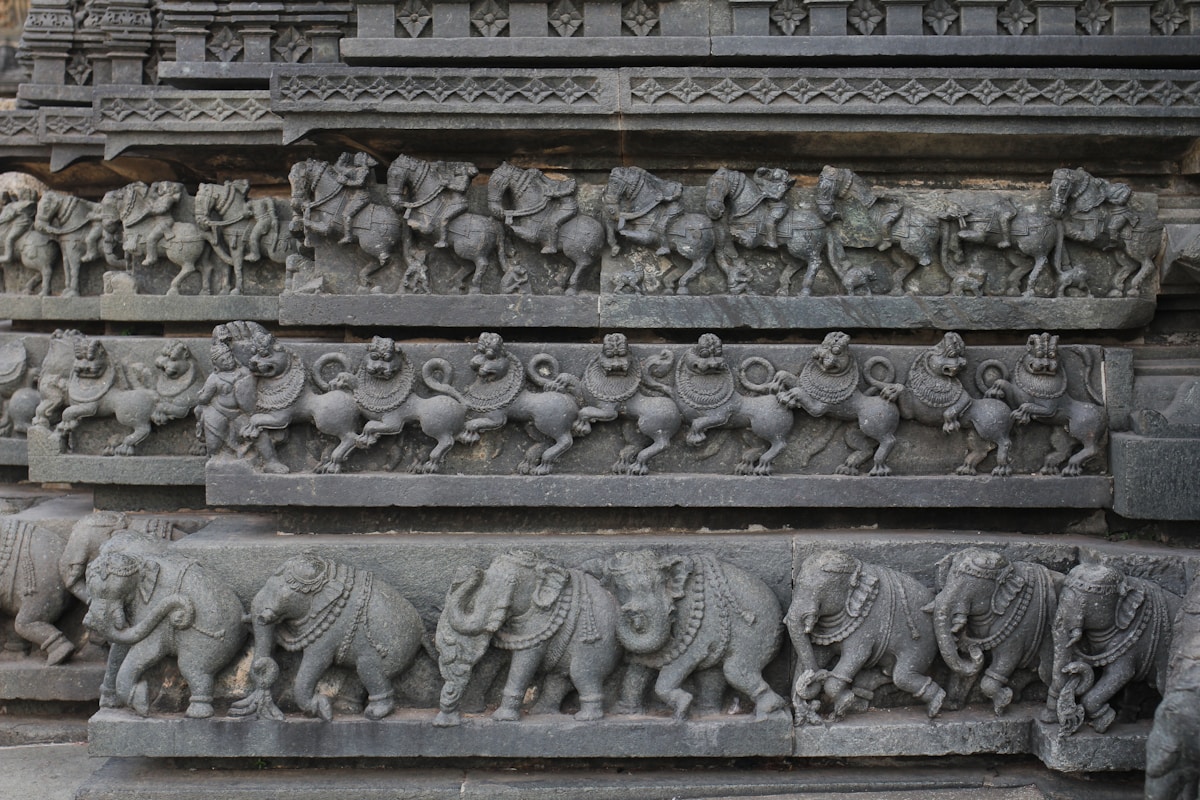
As I stepped onto the dusty grounds of Halebidu for the first time, I was struck by an eerie silence, broken only by the faint rustle of leaves. It felt like I had stumbled upon a secret—stone walls whispering tales of a bygone era, intricately carved with stories of gods and warriors. Unlike the bustling tourist traps, this small town in Karnataka’s Hassan district was deserted, save for a few curious locals. I stood before the Hoysaleswara Temple, mesmerized by its detailed sculptures, feeling like I had uncovered a hidden chapter of India’s history. Why does such a masterpiece remain so underrated? Halebidu, once the regal capital of the Hoysala Empire, brims with architectural wonders that rival more famous sites, yet it escapes the mainstream radar, offering a rare, authentic glimpse into the past. Its charm lies in its quietude and the sheer artistry etched into every stone. In this guide, you’ll discover why Halebidu deserves a spot on your travel list, along with insider tips on must-see spots, how to get there, where to stay, and how to craft the perfect itinerary for an unforgettable journey.
Why Visit Halebidu?
- Architectural Marvels — Home to Hoysala temples with unparalleled stone carvings.
- Historical Significance — Once the thriving capital of the Hoysala dynasty.
- Offbeat Charm — Far from tourist crowds, offering a tranquil escape.
- Cultural Depth — Local festivals showcase Karnataka’s traditional vibrancy.
- Photographer’s Paradise — Every temple corner begs to be captured.
- Affordable Exploration — Minimal entry fees and low travel costs.
- Spiritual Serenity — Ancient shrines provide a meditative atmosphere.
Top Things to Do & See
Hoysaleswara Temple
This 12th-century masterpiece boasts intricate carvings depicting Hindu epics in stunning detail. Insider tip: Visit at sunrise for soft light that highlights the sculptures’ depth.
Kedareshwara Temple
A lesser-known gem with star-shaped architecture and serene surroundings. Insider tip: Chat with the temple priest for untold stories of its construction.
Basadi Halli
A cluster of Jain temples showcasing minimalistic yet elegant Hoysala design. Insider tip: Look for hidden carvings on the outer walls often missed by visitors.
Archaeological Museum
A small but insightful collection of Hoysala artifacts and sculptures. Insider tip: Spend time reading the plaques for context on temple histories.
Belur Chennakeshava Temple (Nearby)
Just 16 km away, this temple complements Halebidu’s beauty with its own grandeur. Insider tip: Hire a local guide here for detailed storytelling.
Yagachi Dam (Nearby)
A scenic spot for a quiet picnic amidst lush greenery. Insider tip: Visit post-monsoon for the best views of overflowing water.
How to Reach Halebidu
Halebidu is well-connected despite its offbeat status, making it accessible for travelers across budgets. The nearest airport is Mangalore International Airport, about 170 km away, with cab fares averaging Rs 3,500–4,000 for a one-way trip (roughly 3.5 hours). For rail travelers, the closest major station is Hassan Railway Station, 32 km away, with frequent trains from Bangalore and Mysore; a taxi or auto from Hassan to Halebidu costs around Rs 800–1,000 (1-hour drive). By road, Halebidu is 210 km from Bangalore, a comfortable 4.5-hour drive via NH 75, with well-maintained roads and scenic views of rural Karnataka. Buses from Bangalore’s KSRTC terminal to Hassan are frequent (Rs 300–500 per person), followed by a short taxi ride. For the adventurous, renting a bike or car from Bangalore offers flexibility to explore at your own pace.
Best Time to Visit
Halebidu shines brightest between October and March, when the weather is cool and pleasant, with temperatures ranging from 15°C to 25°C, ideal for temple exploration. This peak season sees minimal crowds, maintaining the town’s serene vibe. The shoulder months of April and September offer slightly warmer weather (25°C–30°C) but are still manageable with fewer visitors. Monsoon, from June to August, brings heavy rainfall, making outdoor sightseeing challenging due to slippery paths and potential flooding near temples; however, the lush greenery during this time is a visual treat if you’re prepared for wet conditions. Pack light cotton clothes for summer and a light jacket for winter mornings, along with sturdy footwear year-round.
Where to Stay
Accommodation in Halebidu caters to various budgets, though options are limited due to its offbeat nature. For budget travelers, guesthouses and small hotels near the town center, like those around Hoysaleswara Temple Road, offer basic rooms for Rs 800–1,200 per night with clean amenities. Mid-range options, such as hotels in Hassan (32 km away), provide more comfort with modern facilities for Rs 2,000–3,000 per night; look for properties along BM Road in Hassan for easy access. For a boutique experience, consider heritage stays or homestays near Belur (16 km away), offering personalized hospitality and local charm for Rs 3,500–5,000 per night. Booking in advance is recommended, especially during peak season, as options fill up quickly.
Trip Cost Breakdown (3-Day Trip for 2 People)
| Item | Cost |
|---|---|
| Accommodation (Mid-range) | Rs 6,000 |
| Food (Local eateries) | Rs 3,000 |
| Transport (Taxi from Hassan + local) | Rs 2,500 |
| Activities (Entry fees + guide) | Rs 1,000 |
| Total | Rs 12,500 |
Suggested Itineraries
- 2-Day Quick Escape
- Day 1: Arrive by noon, check into accommodation near Halebidu. Spend the afternoon exploring Hoysaleswara Temple (2–3 hours, 1:00 PM–4:00 PM). Evening at Kedareshwara Temple (5:00 PM–6:30 PM) for sunset views. Dinner at a local eatery.
- Day 2: Morning visit to Basadi Halli and Archaeological Museum (8:00 AM–11:00 AM). Head to Yagachi Dam for a quick picnic (12:00 PM–2:00 PM). Depart by late afternoon.
- 3-Day Deep Dive
- Day 1: Arrive early, settle into your stay. Explore Hoysaleswara Temple in detail (10:00 AM–1:00 PM). Afternoon at Kedareshwara Temple (2:00 PM–4:00 PM). Evening free to stroll around town.
- Day 2: Day trip to Belur Chennakeshava Temple (9:00 AM–12:00 PM). Post-lunch, relax at Yagachi Dam (1:30 PM–3:30 PM). Return to Halebidu for a quiet evening.
- Day 3: Morning visit to Basadi Halli and Archaeological Museum (8:00 AM–11:00 AM). Shop for local handicrafts near temples (11:30 AM–1:00 PM). Depart by afternoon.
Ideal For
- History enthusiasts eager to uncover ancient Indian architecture.
- Solo travelers seeking peaceful, uncrowded destinations.
- Couples looking for a unique, cultural weekend getaway.
- Photographers chasing intricate details and scenic landscapes.
- Families wanting an educational yet relaxed trip.
Safety, Permits & Local Etiquette
- Inner Line Permit: No permits are required for Indian nationals or foreign tourists to visit Halebidu.
- Mobile Connectivity: Network coverage is decent in town, with major providers working well, though remote areas near Yagachi Dam may have weak signals.
- Solo Female Traveller: Halebidu is generally safe, with friendly locals. Stick to daylight hours for temple visits and avoid isolated areas after dark.
- Do's & Don'ts: Dress modestly when visiting temples (cover shoulders and knees). Seek permission before photographing locals. Avoid littering around heritage sites. Respect temple sanctity by removing footwear where required.
Hidden Tips Only Repeat Visitors Know
- Visit Hoysaleswara Temple on a weekday morning to avoid even the small weekend crowds.
- Carry a small notebook to sketch or jot down details of carvings for memory.
- Hire a local guide near the temples for Rs 300–500; they share unscripted stories.
- Taste local snacks like ‘mandakki’ (puffed rice) from street vendors near the market.
- Check out tiny handicraft stalls near Basadi Halli for affordable Hoysala-inspired souvenirs.
- Plan a quick stop at nearby coffee estates en route from Hassan for fresh brews.
- Bring a hat and sunscreen; the open temple complexes offer little shade.
- Ask locals about lesser-known Hoysala ruins nearby for an impromptu adventure.
Frequently Asked Questions
Q: Is Halebidu worth visiting?
Absolutely, Halebidu is a must-visit for its breathtaking Hoysala architecture and serene vibe. The intricate carvings at Hoysaleswara Temple alone rival more famous sites. It’s perfect if you crave history without the tourist chaos. A day or two here feels like stepping back in time.
Q: How many days are enough for Halebidu?
Two to three days are ideal to explore Halebidu at a leisurely pace. This allows time for major temples, nearby Belur, and scenic spots like Yagachi Dam. A quick weekend trip works if you’re short on time. Plan based on your interest in history and architecture.
Q: Is Halebidu safe for solo female travellers?
Halebidu is relatively safe for solo female travelers, with a small-town feel and helpful locals. Stick to well-lit, populated areas and avoid wandering alone at night. Dress conservatively to blend in, especially near temples. Trust your instincts and plan your day wisely.
Q: Which is better — Halebidu or Hampi?
Both are incredible, but it depends on your vibe. Halebidu offers intricate Hoysala temples in a quieter setting, ideal for a short, peaceful trip. Hampi has a broader historical scope and dramatic landscapes but is more crowded. Choose Halebidu for intimacy, Hampi for vastness.
Q: Do I need permits for Halebidu?
No, you don’t need any special permits to visit Halebidu, whether you’re Indian or foreign. Entry to most temples is free or has a nominal fee. Just carry a valid ID for general travel purposes. It’s a hassle-free destination in that regard.
Q: Is Halebidu expensive?
Halebidu is quite budget-friendly compared to mainstream destinations. Accommodation, food, and transport for a couple can cost under Rs 15,000 for a 3-day trip. Entry fees are minimal, and local eateries are affordable. It’s a great value-for-money cultural escape.