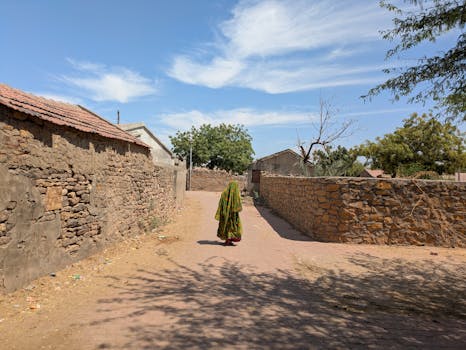
Why Dholavira is India’s Most Underrated Hidden Gem in 2025
Dream it. Describe it. Discover it.
Find your perfect Gujarat stay on Unpaqd — with our AI search feature
Curated 4.5+ rated homestays, price-match guarantee, and zero commissions-so you never overpay or settle. Just describe your ideal stay, and we'll do the rest.
- Dholavira: India's ultimate hidden gem for 2025 explorers. ⛰️
- Offbeat destination with ancient history and surreal landscapes. 🏛️
- Peaceful escape far from tourist crowds and chaos. 🌿
- Budget-friendly trip with incredible value for money. 💰
- Perfect for history buffs and adventure seekers. 🗺️
- A rare glimpse into 5,000-year-old Indus Valley secrets. 🔍
Opening Hook
I still remember the first time I stepped onto the arid, otherworldly expanse of Dholavira. It was as if I had walked into a forgotten chapter of human history, surrounded by the skeletal remains of a 5,000-year-old civilization under a blazing desert sun. Located on the remote island of Khadir Bet in Gujarat’s Great Rann of Kutch, Dholavira is a UNESCO World Heritage Site that most Indians haven’t even heard of. Why is it so underrated? It’s far from mainstream tourist circuits, lacks flashy promotions, and requires a bit of effort to reach. Yet, that’s exactly what makes it special—its untouched authenticity, haunting ruins, and the eerie silence of the surrounding salt flats. In this guide, you’ll discover why Dholavira deserves a spot on your 2025 travel list, how to explore its wonders, insider tips for a seamless trip, and why this hidden gem might just steal your heart.
Why Visit Dholavira?
- **Ancient History Unearthed** — Walk through the ruins of one of the largest Harappan cities, dating back to 3000 BCE. 🏛️
- **Surreal Desert Landscapes** — The stark beauty of the Rann of Kutch salt flats is unlike anywhere else in India. 🏜️
- **UNESCO Recognition** — Declared a World Heritage Site in 2021, it’s a testament to human ingenuity. 🌍
- **Offbeat Tranquility** — Escape the chaos of crowded destinations for a serene, soulful experience. 🌿
- **Cultural Depth** — Witness ancient water conservation systems that rival modern engineering. 💧
- **Unique Location** — Situated on an island amidst a seasonal salt marsh, it’s a geographical marvel. 🗺️
- **Photographer’s Paradise** — Capture hauntingly beautiful ruins against endless white desert horizons. 📸
Top Things to Do & See
Dholavira Archaeological Site
Explore the sprawling ruins of this Harappan city, showcasing sophisticated urban planning. **Insider Tip:** Visit the on-site museum at dusk for a quieter, more atmospheric experience with fewer visitors.
Great Rann of Kutch
Marvel at the endless white salt desert, especially surreal under a full moon. **Insider Tip:** Walk a little further from common viewpoints for untouched salt patterns perfect for photography.
Ancient Water Reservoirs
Admire the ingenious water conservation systems carved into rock, a marvel of ancient engineering. **Insider Tip:** Ask a local guide to explain the cascading reservoir system—details often missed in guidebooks.
Fossil Park
Discover petrified wood and marine fossils that hint at Dholavira’s prehistoric past. **Insider Tip:** Carry a small magnifying glass to spot intricate fossil details most overlook.
Local Tribal Villages
Interact with the resilient communities of Khadir Bet for a glimpse into their desert lifestyle. **Insider Tip:** Buy handmade crafts directly from artisans to support their livelihood.
Sunset at the Rann
Witness the desert transform into a golden canvas as the sun dips below the horizon. **Insider Tip:** Head to a less crowded edge of the Rann—ask locals for their secret spots.
How to Reach Dholavira
Dholavira is remote, but the journey is part of the adventure. The nearest major airport is **Bhuj Airport (BHJ)**, about 220 km away, with flights from Mumbai, Ahmedabad, and Delhi. From Bhuj, you can hire a taxi (approx. INR 4,000–5,000 one-way in 2025) or take a shared jeep if you’re on a budget (INR 500–700 per person). The drive takes around **4.5–5 hours** through scenic desert terrain. The nearest railway station is also in Bhuj, connected to major cities like Ahmedabad (6–7 hours by train). From Ahmedabad, which is 335 km away, you can opt for an overnight bus (INR 800–1,200) or a private cab (INR 7,000–8,000). The best route by road is Ahmedabad–Bhuj–Dholavira via NH 41 and state highways, with decent roads but sparse facilities, so carry water and snacks.
Best Time to Visit
The ideal time to visit Dholavira is between **November and February**, the peak winter season, when temperatures range from **10°C to 25°C**, making exploration comfortable. The shoulder seasons of **October and March** are also pleasant, though slightly warmer at **15°C to 30°C**, with fewer crowds. Avoid the monsoon (June to September) as the Rann of Kutch turns into a muddy marsh, and roads may become inaccessible due to flooding. Summers (April to May) are brutally hot, with temperatures soaring to **40°C or higher**, making outdoor exploration unbearable. Winter also coincides with the Rann Utsav, a cultural festival nearby, adding an extra layer of local flavor to your trip if timed right.
Where to Stay
Accommodation options near Dholavira are limited due to its remote location, but there’s something for every budget. Most stays are in or around Dholavira village or near the Rann of Kutch gateway.
- **Budget:** **Toran Tourist Complex** (near Dholavira village) offers basic but clean rooms for INR 1,500–2,000 per night in 2025. It’s run by Gujarat Tourism and ideal for backpackers.
- **Mid-Range:** **Rann Resort Dholavira** provides comfortable stays with desert views for INR 3,500–5,000 per night. It’s located closer to the archaeological site and offers guided tours.
- **Boutique:** **Gateway to Rann Resort** (near Dhordo, 80 km away) offers luxury tents and mud huts with modern amenities for INR 6,000–8,000 per night. Perfect for a cultural immersion with a touch of comfort.
Book in advance, especially during winter, as options fill up quickly during peak season.
Trip Cost Breakdown (3-Day Trip for 2 People)
| **Category** | **Cost (INR, 2025 Estimate)** |
|--------------------------|-------------------------------|
| Transport (from Ahmedabad, cab round trip) | 14,000 |
| Accommodation (Mid-range, 2 nights) | 8,000 |
| Food (local meals, 3 days) | 3,000 |
| Entry Fees (Archaeological Site) | 500 |
| Local Transport (auto/taxi for short trips) | 1,500 |
| Miscellaneous (souvenirs, tips) | 1,000 |
| **Total** | **28,000** |
*Note: Costs are approximate and can vary based on travel style and season. Budget travelers can reduce expenses by using shared transport and staying at cheaper guesthouses.
Suggested Itineraries
- **2-Day Quick Escape**
- **Day 1:** Arrive in Dholavira by noon (from Bhuj/Ahmedabad). Check into accommodation, have lunch, and spend the afternoon exploring the Archaeological Site (2–3 hours, 2:00 PM–5:00 PM). Evening at leisure or a short village walk. Dinner by 8:00 PM.
- **Day 2:** Early morning visit to the Great Rann of Kutch for sunrise (5:30 AM–7:30 AM). Return for breakfast, then explore the Fossil Park and Water Reservoirs (9:00 AM–12:00 PM). Depart by 1:00 PM after lunch.
- **3-Day Deep Dive**
- **Day 1:** Arrive by noon, check in, and relax. Post-lunch, visit the Dholavira Archaeological Site (2:00 PM–5:00 PM). Evening free to enjoy sunset views near your stay (6:00 PM). Dinner by 8:00 PM.
- **Day 2:** Start with an early sunrise at the Great Rann of Kutch (5:30 AM–7:30 AM). After breakfast, explore Fossil Park and Water Reservoirs (9:00 AM–12:00 PM). Post-lunch, visit local tribal villages for cultural insights (2:00 PM–4:00 PM). Evening at leisure.
- **Day 3:** Morning visit to lesser-known Rann viewpoints for photography (7:00 AM–9:00 AM). Return for breakfast, pack up, and depart by 11:00 AM.
Ideal For
- ✅ **History Enthusiasts** — Perfect for those fascinated by ancient civilizations and archaeology.
- ✅ **Offbeat Travelers** — Ideal for explorers seeking destinations away from touristy chaos.
- ✅ **Nature Lovers** — The surreal Rann landscapes offer a unique desert experience.
- ✅ **Photographers** — Endless opportunities for capturing hauntingly beautiful shots.
- ✅ **Slow Travelers** — Great for those who enjoy immersive, unhurried journeys.
Safety, Permits & Local Etiquette
- **Inner Line Permit:** No permits are required for Indian nationals to visit Dholavira or the Rann of Kutch. Foreign nationals may need to register at checkpoints near the border areas (carry passports).
- **Mobile Connectivity:** Network coverage is spotty. BSNL and Jio work intermittently in Dholavira village, but don’t rely on internet access in remote Rann areas.
- **Solo Female Traveller:** Dholavira is relatively safe, but it’s remote. Stick to guided tours, avoid isolated areas after dark, and dress modestly to respect local norms.
- **Do's & Don'ts:** Do carry ample water and sun protection due to harsh desert conditions. Don’t litter, especially in the Rann—keep the fragile ecosystem clean. Respect local customs by asking before photographing people.
Hidden Tips Only Repeat Visitors Know
- Visit the Rann during a full moon for an ethereal, glowing desert experience—book stays accordingly.
- Carry cash; ATMs are scarce, and digital payments aren’t widely accepted in Dholavira village.
- Pack lightweight, breathable clothing and sturdy shoes—the terrain can be uneven and dusty.
- Hire a local guide at the archaeological site (INR 300–500); their stories add depth to the ruins.
- Try local Kutchi cuisine like bajra rotla and kadhi at small dhabas for authentic flavors.
- Avoid weekends if possible—nearby Dhordo (Rann Utsav hub) draws crowds that spill over.
- Bring a portable charger; power cuts are common, and you’ll need it for photography.
- Chat with locals at tea stalls—they often share lesser-known spots for Rann viewpoints.
Frequently Asked Questions
**Q: Is Dholavira worth visiting in 2025?**
Absolutely, Dholavira is a must-visit for its unparalleled historical significance as a Harappan site and its surreal desert landscapes. It’s perfect for travelers seeking offbeat, meaningful experiences away from commercialized spots. With increasing recognition post-UNESCO status, 2025 might be the last year to enjoy it before it gets more crowded.
**Q: How many days are enough for Dholavira?**
A 2-day trip covers the main highlights like the archaeological site and Rann of Kutch. However, a 3-day itinerary allows deeper exploration of villages, fossils, and multiple Rann viewpoints. Plan according to your pace and interests.
**Q: Is Dholavira safe for solo female travellers?**
Dholavira is relatively safe, with friendly locals and minimal crime. However, its remote location means limited facilities, so stick to guided tours, avoid isolated areas at night, and inform someone of your plans. Dress conservatively to blend in.
**Q: Which is better — Dholavira or Hampi?**
It depends on your vibe. Dholavira offers ancient Harappan history and stark desert beauty with fewer crowds, while Hampi boasts dramatic Vijayanagara ruins and a livelier backpacker scene. Choose Dholavira for solitude, Hampi for grandeur and accessibility.
**Q: Do I need permits for Dholavira?**
No permits are needed for Indian nationals. Foreign visitors may need to show passports at checkpoints near the Rann due to its proximity to the Pakistan border. Carry identification for smooth travel.
**Q: Is Dholavira expensive?**
Not at all—Dholavira is budget-friendly compared to popular destinations. A 3-day trip for two can cost around INR 28,000 (2025 estimate) including travel, stay, and food. Costs vary based on accommodation and transport choices.
Related Articles
How to List Your Homestay in India and Earn More: The 2026 Guide
TL;DR Summary India has over 1.1 lakh homestays. Fewer than 60% are listed online. Of those that are, most pay 15–21% commission to Airbnb, MakeMyTrip, ...
Unpaqd vs Airbnb India: Why Zero Commission Changes Everything
TL;DR Summary Airbnb charges Indian hosts 15–18% commission per booking. On Unpaqd, hosts pay zero commission — keeping 100% of every rupee earned. For ...
Unpaqd vs MakeMyTrip: Which Is Better for Homestays in India?
TL;DR Summary MakeMyTrip and Goibibo charge hosts up to 21% commission and are built primarily for hotels — not homestays. Unpaqd charges zero commission, lists ...